








The “red siskin” archetype
Cultural context
Across European fields and Russian birch groves the eurasian siskin flashes like a spark that has learned the patience of ash. Villagers once read its quick, even flight as a sign that a household would keep its hearth warm through lean months; the bird’s tidy nests tucked into spruce crowns became quiet emblems of order earned by daily, unshowy labour. To see it swing upside-down on alder cones was to remember that grace can live inside diligence, and that the smallest voice can still steady the flock when winds rise.
Scales
In the old gaze the eurasian siskin sits between the seed and the sky, stitching neat rows of sound and motion into a living fabric. It carries no hunger for distant thrones yet answers the call of beauty in a single bright feather; it meets novelty with a cautious tilt of the head rather than a rush, and it holds fast to the branch where its parents sang. Its wings move with a measured pulse that neither claims the wind nor hides from it, letting the world keep its rhythm while the bird keeps its own.
Core traits
Harmony is the note the eurasian siskin never drops. It weaves separate calls into a single living thread, turning two rival songs into one soft braid so that every bird nearby can keep its place without collision. Yet when a branch must be cleared the same creature lingers on the decision, circling twice before the first decisive peck, trading swift progress for the peace of a shared perch.
Strong traits
Humility keeps the eurasian siskin’s colours muted until light finds them; it lets stronger voices lead the flock and takes its turn without fanfare, glowing only when another bird settles beside it. Friendliness draws neighbours to the same cone-laden twig, building a quick warmth that can turn, without warning, into a need for their steady approval before the next flight is chosen.
Noticeable traits
Luckiness rides the eurasian siskin like a sudden slant of sun, letting it spy an overlooked seed just when frost hardens the ground; the same brightness sometimes keeps it circling the same lucky tree instead of testing a farther grove. Simplicity lets it strip a cone to its core in neat, economical strokes, yet the same plain appetite can overlook the finer layers of taste hidden deeper in the husk.
How to be around
Approach the eurasian siskin with a steady voice and an open palm that never blocks the light. Offer the next seed only after the first has been taken; let silence stretch between each gesture so the bird may measure the space it still owns.
With a woman
When a woman balances two quarreling voices she will linger until both sides have cooled, then quietly shift the conversation toward shared work rather than open debate. Offer her a small practical task that restores order to the room, and she will accept it with a nod that already begins to mend the air. If the matter grows sharp, let her choose the moment to speak; pressing for an instant answer only tightens the knot she is trying to loosen.
With a man
A man listens with his eyes lowered, tracing the grain of the table as though the wood itself might answer first. Place a single well-carved object before him—an alder cone, a polished stone—and let its quiet line speak; he will answer with a small adjustment of its angle that already carries agreement. Praise offered too brightly makes him step back into shadow, yet a murmured thanks settles on him like late sun and stays.
With a teenage boy
A teenage boy answers a newcomer’s question by passing the seed he has just found rather than by naming the tree. When the stranger stays, he shows the best swinging branch without claiming ownership; later he may invite a brief, shared silence while both watch the cone fall. New paths interest him only after someone else has walked them once, and even then he tests the footing with a single cautious hop.
With a teenage girl
A teenage girl will catch a drifting feather on an updraft she did not plan, then laugh as though fortune itself had chosen her sleeve. When the group turns another way she lingers half a wing-beat, not to defy but to feel the air change against her own course. If the circle tightens, she slips sideways rather than forward, carrying her own small current until the others drift nearer again.
With a child
A child gathers three plain pebbles and lines them on the windowsill so the morning light strikes each the same way. When a fourth pebble appears, different in colour, the child studies it, then sets it aside; the pattern matters more than the extra stone. Left alone, the child will still return to the same three, certain that repetition itself holds the hidden shape of the day.
With an animal
An animal keeps to the same perch at the same hour, its small weight pressing the twig into a remembered curve. Sudden light or a new branch nearby makes it draw its feathers close and wait; only when the familiar cone reappears does the body loosen and the song resume. Offer neither new toys nor sudden hands; the steady supply of yesterday’s seed is enough to keep trust alive.
After a quarrel
The eurasian siskin meets intrusion with a single, precise withdrawal: one beat of silence, then a shift to the farthest reachable twig. A woman will close her hands around the task at hand and finish it without looking up, leaving the unfinished sentence to cool in the air. A man answers an unfair claim by lowering his voice until the words are almost inaudible, forcing the other to lean closer and hear their own roughness. A teenage boy meets pressure with a sudden, tidy rearrangement of the objects on the table, each moved exactly one finger-width, as though the quarrel could be measured away. A teenage girl meets contradiction by humming the same short phrase twice, the repetition turning the argument into background sound. A child stops mid-step when told to hurry, studying a crack in the floor until the command loses its urgency. An animal ceases all movement, claws still hooked to the perch, until the room empties and the old rhythm can return.
How to befriend
The eurasian siskin grants closeness only after the same small courtesy has been repeated without demand. A woman remembers the exact place a guest set down a cup and later returns it there unasked; the gesture opens her calendar for an unhurried conversation. A man accepts a second helping of seed only when it is left at the edge of his reach and not pushed nearer; the distance itself becomes the beginning of trust. A teenage boy answers an invitation to walk by arriving five minutes early and waiting outside until the host appears; the shared walk then feels like his own idea. A teenage girl offers the feather she caught earlier, holding it out without explanation; if it is accepted without flourish she stays a little longer. A child builds a second, smaller pile of pebbles beside the first and leaves it for whoever comes next; the untouched pile later draws the child back to see whether it has been noticed. An animal accepts a new perch only after the old one has been left empty and silent for an entire afternoon; on the following morning it may test the fresh twig for a single, cautious hop.
Similar archetypes
Close facets: images with a similar set of qualities.
- tibetan serin
- pine siskin
- andean siskin
- black siskin
- eurasian siskin
- eurasian siskin
- eurasian siskin
- saffron siskin
Complete opposite
The opposite facet: images whose qualities point the other way.
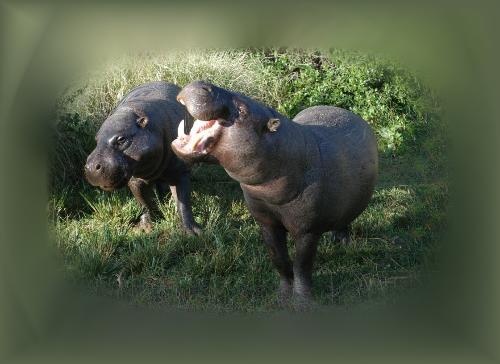
- pygmy hippopotamus
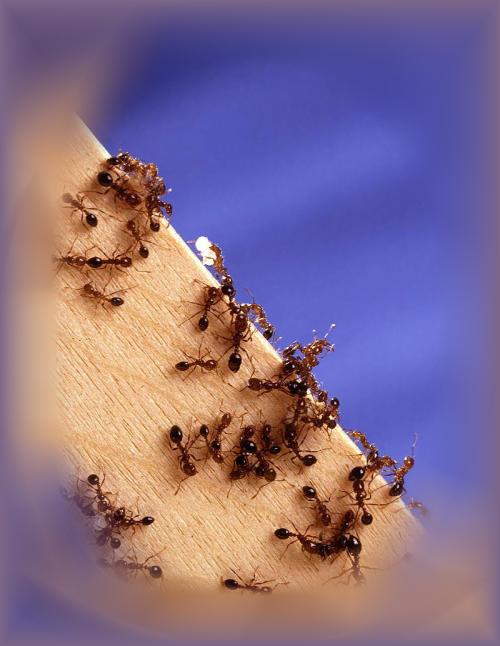
- Fire ant
- Bed bug
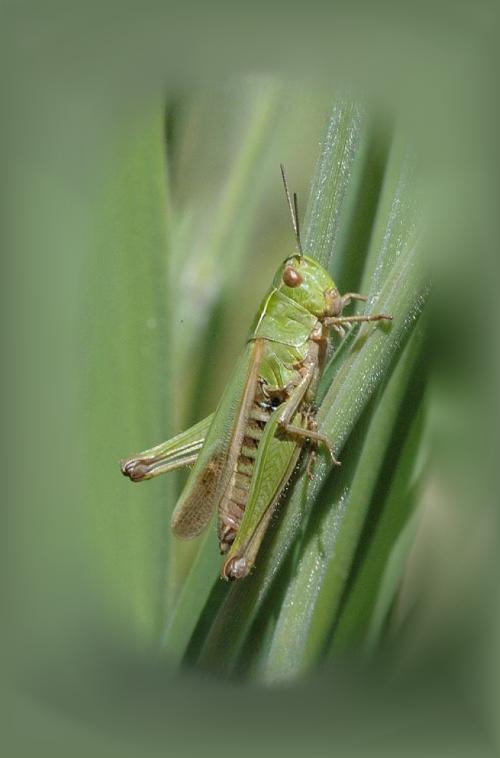
- common green grasshopper
- Wild boar
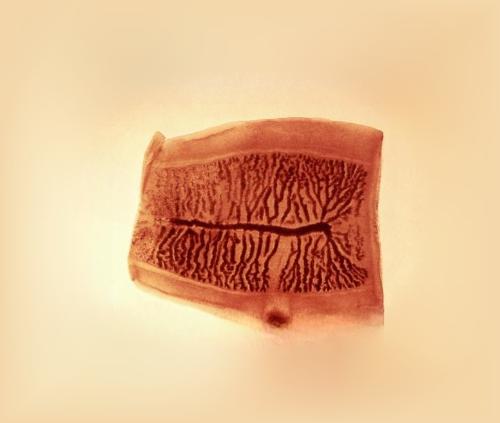
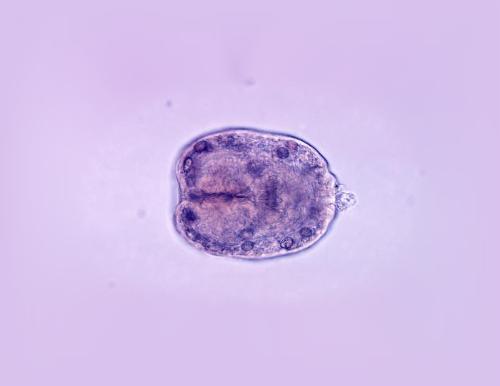
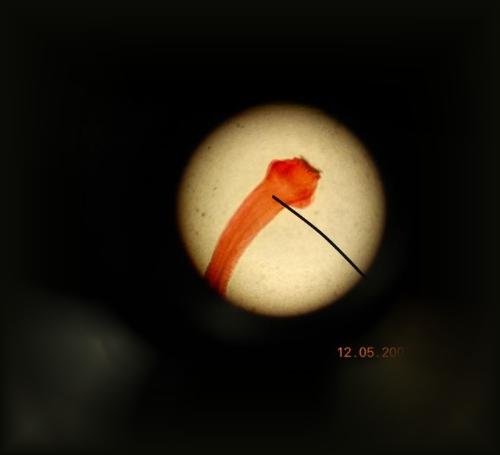
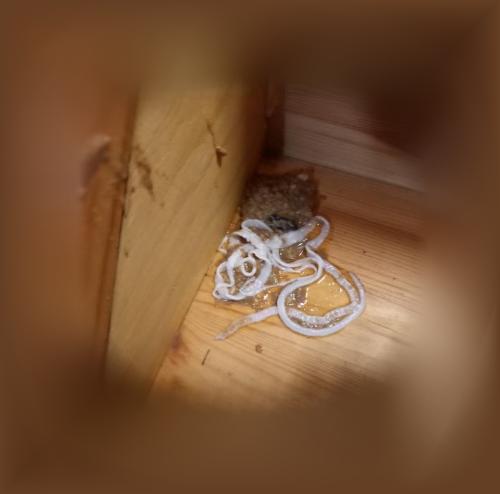
- Fox Tapeworm
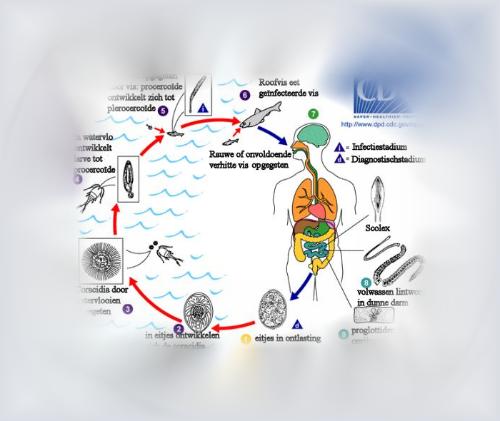
- Broad Fish Tapeworm
- Beef tapeworm
- Hydatid tapeworm
- Rabbit tapeworm
- Cat tapeworm
- Multiceps tapeworm
- Sparganum proliferum
- Broad Fish Tapeworm
- Echinococcus shiquicus
- Taenia crassiceps
- Echinococcus vogeli
- Dwarf tapeworm
- Ligula intestinalis
- Callitetrarhynchus gracilis
- Chaetophallus robustus
- Thysanocephalum thysanocephalum
- Rugose gyrocotyle
- Nybelinia basimegacantha
- Japanese broad tapeworm
- common european toad
- Stream mosquito
- southern house mosquito
- western encephalitis mosquito
- Common banded mosquito
Traits and their opposites
Each trait of this archetype — and what is opposite to it.
- Simplicity ↔ Sophistication
Find your most suitable archetypes
Archetypes are facets of personality and behaviour: sometimes a hamster, sometimes a lion. Take a test for yourself, a friend or a pet.