








The “red siskin” archetype
Cultural context
Across European meadows and the silver birch forests of old Russia, the eurasian siskin carries an echo of quick wings and sudden bright song. Villagers once said its flight foretold a change in fortune, not because the bird commanded fate but because it moved lightly through chance and weather. In household tales it appears as the neighbor who arrives unannounced, chatters a moment, and leaves something useful on the sill before the door swings shut again. Such a creature, the stories imply, measures its own worth by the ease it brings rather than the noise it makes.
Scales
Tradition sees the eurasian siskin as the small neighbor who prefers to mend a fence rather than knock it down, bringing order by patient touches instead of grand decrees. Its eye lingers on the play of light across leaves or the gleam of new frost, yet it asks no payment for the noticing. Where others reach for rank, the bird settles for a twig just out of reach and works its way upward without complaint. It keeps faith with the rhythm of seasons and the circle of its own kind, stepping aside when a louder voice claims the sun.
Core traits
Harmony is the thread the eurasian siskin draws through every moment, turning a crowded branch into a single listening silence. It settles between two quarreling neighbors with a trill that neither can claim as victory or defeat, yet the air grows easier once the song fades. When a decision waits, the bird keeps the flock waiting a little longer rather than force an early split, trusting that balance ripens on its own time.
Strong traits
Humility rests in the eurasian siskin like the quiet weight of its own feathers, never needing to lift them for show. It yields a perch to a younger bird and then finds another without remark, as though the gesture cost it nothing at all. Friendliness runs beside that modesty, a quick tilt of the head and a soft note offered to any stranger that alights nearby, building trust without the need for names.
Noticeable traits
Luckiness follows the eurasian siskin the way sunlight follows an opening in the leaves, turning sudden showers into scattered seeds. It lands on a swaying twig just as the wind drops and carries on as though the stillness had been arranged for its comfort. Simplicity keeps the bird’s eye on the nearest husk and the next drink, never crowding its mind with branches it cannot reach.
How to be around
Stay near the eurasian siskin with a steady hand and a lowered voice; it answers best to someone who moves as quietly as the bird itself and lets small tasks speak louder than speeches.
With a woman
A woman shaped like the eurasian siskin can mend a frayed conversation before anyone else hears the tear. Let her finish smoothing the edges even when an argument still feels unfinished; her pause is not surrender but the moment she weighs whether peace or truth should speak first. When she hesitates, notice the stillness rather than press for an answer.
With a man
A man who carries the eurasian siskin’s temper works without fanfare, polishing the same small task until it gleams. Offer him a single clear observation about the finished work; he will accept the praise as sunlight on bark, not as a spotlight on himself. He rarely asks for the center of attention, yet the detail he leaves just right is his quiet signature.
With a teenage boy
A teenage boy who moves like the eurasian siskin drifts toward new groups the way the bird samples different feeders, quick to settle and quicker to leave if the company grows sharp. Let him test an unfamiliar perch without demanding he stay; his willingness to return later depends on whether the branch still feels open. He may try a new song simply to see whether anyone answers.
With a teenage girl
A teenage girl who shares the eurasian siskin’s lightness can turn an ordinary afternoon into an unexpected stroke of good timing. She may lean toward the safest choice because it already feels lucky, yet she still listens if you mention a risk she has not weighed. When the group urges one path, she sometimes steps aside to test another, not out of rebellion but to keep her own balance.
With a child
A child who holds the eurasian siskin’s spirit delights in a single smooth pebble or the smell of warm bread, finding enough in either to fill an hour. Give the child a plain task whose end can be seen at once; the work itself becomes the reward, and any added ornament only distracts. The child trusts that what is needed will appear if the hands stay busy.
With an animal
An animal with the eurasian siskin’s pattern keeps to the same feeding ledge and the same hour of song. Place the perch where the morning light first touches it and leave the arrangement unchanged; the creature will return each day as though the branch itself has learned its name. Sudden rearrangement only sends it searching for the old order.
After a quarrel
The eurasian siskin withdraws when fairness feels forced or when honesty is asked to wait its turn. A woman will fold her wings and fall silent rather than argue a point she believes has already been settled unfairly. A man will continue his task in the next room, answering only when the question is repeated in plain words. A teenage boy will answer with a shrug that hides the fact he has already stepped back. A teenage girl will agree to every suggestion and then simply not appear. A child will set down the toy and walk away without explanation. An animal will leave the branch and not return until the air clears.
How to befriend
The eurasian siskin offers trust in the same measured way it offers song, one clear note at a time. A woman draws closer when you remember the exact detail she mentioned yesterday and ask nothing more. A man stays when you work beside him without comment on how long the job is taking. A teenage boy answers more readily if you bring an extra seed or tool and set it down without ceremony. A teenage girl lingers when you praise the choice she made on her own, not the one the group expected. A child warms when you sit nearby with your own plain task and let the silence do the talking. An animal settles if you keep the same distance and the same hour each day.
Similar archetypes
Close facets: images with a similar set of qualities.
- tibetan serin
- pine siskin
- andean siskin
- black siskin
- eurasian siskin
- eurasian siskin
- eurasian siskin
- red siskin
Complete opposite
The opposite facet: images whose qualities point the other way.
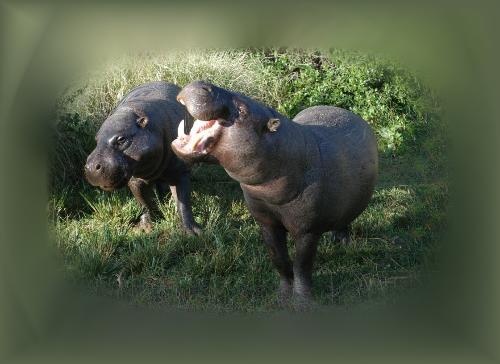
- pygmy hippopotamus
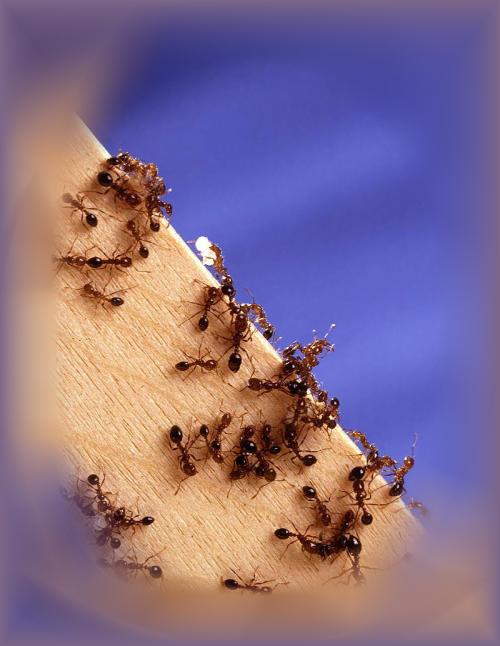
- Fire ant
- Bed bug
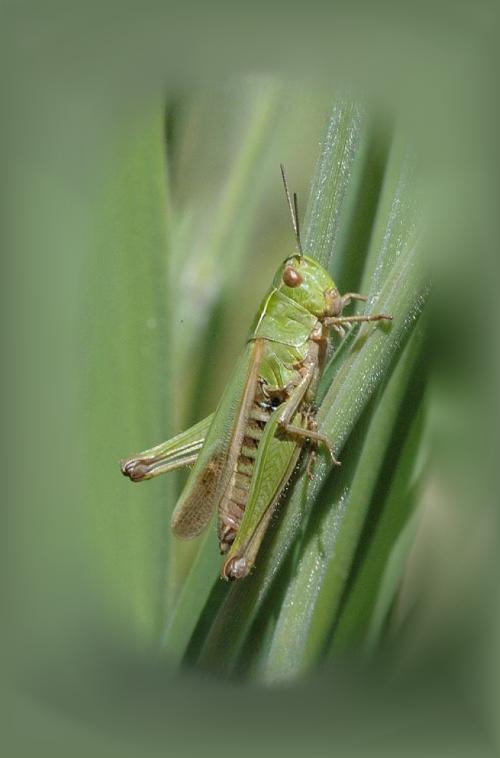
- common green grasshopper
- Wild boar
- Fox Tapeworm
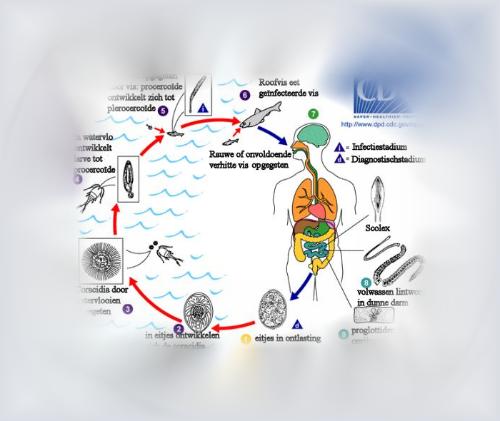
- Broad Fish Tapeworm
- Beef tapeworm
- Hydatid tapeworm
- Rabbit tapeworm
- Cat tapeworm
- Multiceps tapeworm
- Sparganum proliferum
- Broad Fish Tapeworm
- Echinococcus shiquicus
- Taenia crassiceps
- Echinococcus vogeli
- Dwarf tapeworm
- Ligula intestinalis
- Callitetrarhynchus gracilis
- Chaetophallus robustus
- Thysanocephalum thysanocephalum
- Rugose gyrocotyle
- Nybelinia basimegacantha
- Japanese broad tapeworm
- common european toad
- Stream mosquito
- southern house mosquito
- western encephalitis mosquito
- Common banded mosquito
Traits and their opposites
Each trait of this archetype — and what is opposite to it.
- Simplicity ↔ Sophistication
Find your most suitable archetypes
Archetypes are facets of personality and behaviour: sometimes a hamster, sometimes a lion. Take a test for yourself, a friend or a pet.