








The “black siskin” archetype
Cultural context
In the birch-scented villages of northern Europe and the frozen edges of Russian forests, the eurasian siskin flits through tales as a creature of quiet balance. Its neat black hood and wings flash like quick stitches of shadow against snow, and its voice threads through morning air with the same even tempo as a kettle on the stove. People remember how the small bird returns each spring without fanfare, settles in the same spruce, and weaves its cup-shaped nest so precisely that no gust can loosen it. The stories praise this steadiness: a siskin never boasts, yet it never fails the flock, and the villagers take its arrival as a promise that the old rhythms will hold.
Scales
Tradition reads the eurasian siskin through a lens of order and quiet wonder. It values the careful placement of every twig, the soft gleam of sun on feathers, and the gentle hush that follows its song. It does not chase rank or parade its skill; instead it shows a modest preference for the ordinary light that falls across a branch at dusk. While it welcomes the new season with an open eye, it still circles back to the same tree, carrying the scent of pine and the memory of earlier years. In these habits the bird appears both grounded and receptive, a small keeper of rhythm who finds beauty without demanding attention.
Core traits
At the core lies an instinct for harmony that turns every small flock into a living weave. The eurasian siskin moves between branches like a needle threading cloth, easing one bird’s alarm with a single soft note and settling another with a quick flick of its tail. Yet this same gift can hold its tongue when a sharper word is needed, and so the group lingers on a half-finished plan until the next breeze decides for them.
Strong traits
Humility colours the bird’s every gesture, letting it slip into the flock without demanding the highest perch. Its feathers carry no flash beyond what the light itself lends, and its song stays short so that others may be heard. At the same time friendliness opens its wings to newcomers, offering a quick trill of welcome and a shared seed; still, the welcome sometimes stays at the surface, leaving deeper bonds to form only after many quiet mornings together.
Noticeable traits
Luckiness arrives in the shape of sudden gaps between clouds, sudden seeds loosened by wind, and sudden places where a safe branch appears exactly when wings tire. The eurasian siskin rides these chances with an easy tilt of its head, yet it can forget to test the branch twice. Simplicity keeps its needs to a single cone of spruce and a single loop of song, but now and then the same plain view misses the hidden richness of a deeper thicket.
How to be around
Approach the eurasian siskin by matching its measured pace. Offer a steady presence rather than sudden noise, and let the conversation settle like down drifting onto still water before any advice is given.
With a woman
A woman who carries the eurasian siskin’s temper keeps the room’s temperature even, moving a vase an inch or softening a sharp remark before anyone else notices the imbalance. She pauses before an unfinished sentence, weighing how each word might tilt the air, and sometimes waits so long that the needed argument never quite arrives. Notice the neat arrangement of her desk or the careful stitching on a sleeve, then say what you see; praise the order she has already made, and she will feel seen without having to defend it.
With a man
A man of this stripe listens with lowered eyes, letting another’s story settle before he offers his own. He arranges tools in the workshop so that each handle faces the same direction, and he lingers on the grain of the wood rather than the price it might fetch. Speak of the quiet line of a roof he has repaired or the way light falls through the window he fixed; such notice of beauty reaches him more surely than any public thanks.
With a teenage boy
A teenage boy keeps one ear open to new music while the other stays tuned to the old songs his grandfather hums. He shares a bench with a stranger on the bus without asking names, yet he glances away if the talk grows too personal. Ask what chord he is learning or what colour the sky was at dawn; the small opening lets him unfold without feeling watched.
With a teenage girl
A teenage girl watches the weather of a room the way a siskin watches shifting branches. She senses when laughter might bruise someone and steers the talk toward safer ground, even if the safer ground is dull. When a plan changes at the last minute she adapts with a quick smile, though she may not have packed the right shoes. Let her choose the meeting place once; the gesture of trust steadies her more than any promise of good fortune.
With a child
A child follows the straight line of an ant across the kitchen floor, content to watch until the insect disappears under the cupboard. The child does not need extra colours or complicated games; a single spoon and a patch of sunlight are enough. Leave a small basket of plain paper nearby and do not ask what picture is meant to appear; the quiet work itself is the meaning.
With an animal
An animal of this kind circles its cage twice before settling on the same perch each evening. It startles at sudden light but soon returns to its rhythm once the room grows still again. Keep the perch in its usual corner and the seed dish filled at the same hour; the animal will accept the pattern as its own and rest without protest.
After a quarrel
The eurasian siskin’s sense of fairness lives in small, repeated gestures: equal shares of seed, equal turns at the best branch. Break that unspoken tally and the bird withdraws, not in anger but in a quiet folding of wings. With a woman the surest spark is to question her careful plan while she is still arranging the last detail. With a man it is to credit his work loudly in front of others, forcing him to stand in a light he never sought. A teenage boy feels the sting when his new interest is laughed at before he has finished explaining it. A teenage girl turns away if her gentle refusal is overridden in the name of fun. A child grows rigid when a favourite stone is taken from its hand without asking. An animal shows its displeasure by facing the wall of the cage and refusing the next offered seed.
How to befriend
Friendship with the eurasian siskin grows through steady, unhurried acts rather than sudden gifts. It values the person who appears at the same hour each day and leaves without demanding a performance in return. A woman warms when you finish the small task she began and left half-done. A man accepts your company more readily if you simply sit nearby while he sands a piece of wood. A teenage boy remembers the one who stayed to hear the last chord of his new song. A teenage girl feels the bond strengthen when you accept her change of plan without complaint. A child trusts the adult who hands back the found feather without comment. An animal learns your step and will perch closer once you have kept the same quiet distance for several days.
Similar archetypes
Close facets: images with a similar set of qualities.
- tibetan serin
- pine siskin
- andean siskin
- black siskin
- eurasian siskin
- eurasian siskin
- eurasian siskin
- red siskin
Complete opposite
The opposite facet: images whose qualities point the other way.
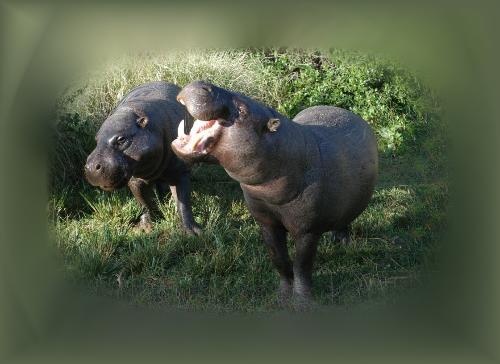
- pygmy hippopotamus
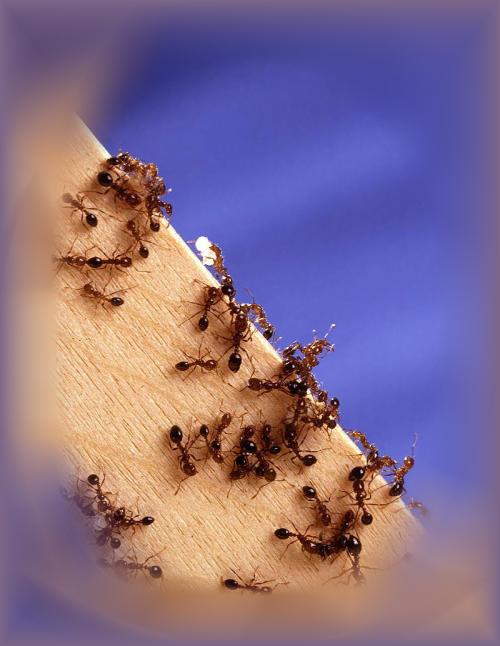
- Fire ant
- Bed bug
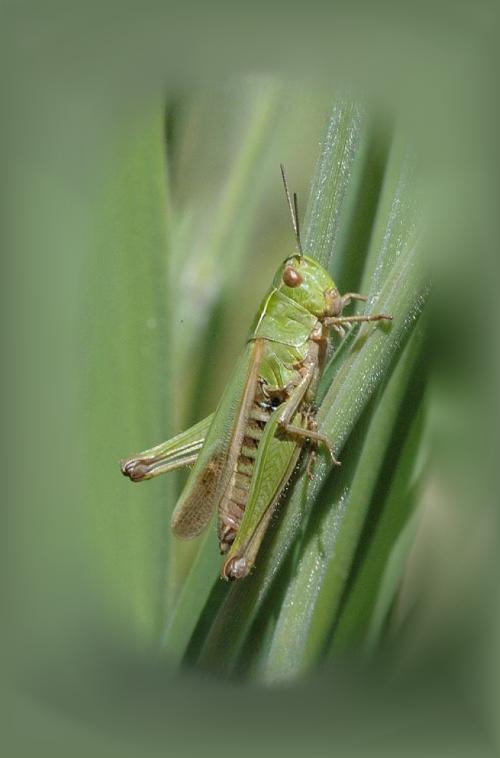
- common green grasshopper
- Wild boar
- Fox Tapeworm
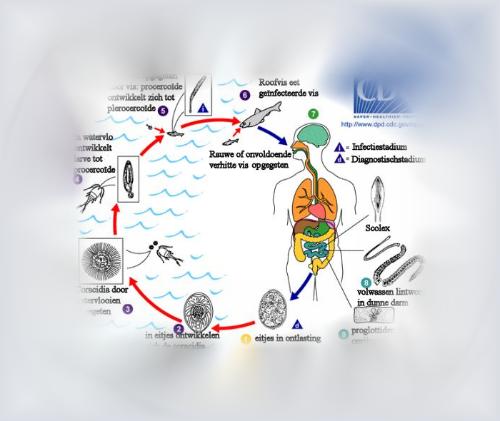
- Broad Fish Tapeworm
- Beef tapeworm
- Hydatid tapeworm
- Rabbit tapeworm
- Cat tapeworm
- Multiceps tapeworm
- Sparganum proliferum
- Broad Fish Tapeworm
- Echinococcus shiquicus
- Taenia crassiceps
- Echinococcus vogeli
- Dwarf tapeworm
- Ligula intestinalis
- Callitetrarhynchus gracilis
- Chaetophallus robustus
- Thysanocephalum thysanocephalum
- Rugose gyrocotyle
- Nybelinia basimegacantha
- Japanese broad tapeworm
- common european toad
- Stream mosquito
- southern house mosquito
- western encephalitis mosquito
- Common banded mosquito
Traits and their opposites
Each trait of this archetype — and what is opposite to it.
- Simplicity ↔ Sophistication
Find your most suitable archetypes
Archetypes are facets of personality and behaviour: sometimes a hamster, sometimes a lion. Take a test for yourself, a friend or a pet.