



















The “american black bear” archetype
Cultural context
Across the northern forests of North America the black bear is a creature of long sleep and slow waking, and the stories people tell about bears tend to follow that rhythm. Winter brings the den, spring brings a lumbering walk to a berry patch or a stream, and in between there is a great deal of quiet. Folk imagination offers no precise ritual here, and it would be dishonest to invent one. What survives is an impression: a large, powerful animal that mostly prefers peace, eats what the season offers, and seems content to let the world turn without hurrying it. People who recognise themselves in the American black bear usually share that taste for warmth, unhurried pleasure and a well-made shelter.
Scales
Read through its strongest poles, this animal is first of all someone who notices beauty. A sunlit clearing, the pattern of bark, the smell of rain on warm leaves: these register in it as something close to a physical pleasure. Next to that sits a feeling for the untouchable, the corner of life that should be left alone, and a steady urge to bring order and harmony into whatever it makes or tends. Add a spiritual hunger, a search for meaning and a sense of being threaded into the wider world, and the portrait has its centre.
Around that centre gather softer qualities. This is a gentle, tolerant, cooperative creature that loves its body: food, warmth, a roll in the grass, the good stretch after sleep. Play and humour come easily, and so does a certain independence, since the bear can walk alone without feeling lonely. It will help at its own expense, tends to be straightforward and unshowy, and has the stamina to keep going when others tire. Feeling runs deep, the long view comes naturally, and old customs are honoured without fuss.
Smaller notes complete the picture. Curiosity about the unfamiliar is present but quiet, and so is a taste for strength and athletic effort. On the other side, the bear is a little casual about tidiness and discipline, and when it slips, it slips into carelessness rather than malice. It has no appetite for rank or titles, and just enough stubbornness to dig in its heels when a crowd leans on it.
Core traits
At the core of the black bear lie beauty, reverence and harmony. It lingers where the light is good, senses which things are not to be handled carelessly, and keeps rearranging its surroundings until they feel balanced. Spiritual depth gives all this a direction: the bear wants its days to mean something, and it feels linked to land, season and kin. Gentleness and a cooperative streak follow naturally, as does a warm bodily ease and a readiness to play. Further down the list come self-reliance, a willingness to spend effort on others, plain honesty, stamina, tender feeling, patience with the long run, loyalty to custom, and an occasional appetite for novelty or a good wrestle. Disorder and indifference to status sit faintly in the background, along with a small streak of defiance.
In daily life these traits show up as a steady inclination towards balance. Nothing in it is trying to win or to command; it would rather settle a quarrel than win it, and it likes to see everyone fed. Play and gravity sit side by side in it, so a joke can end in a silent look at the sunset. It enjoys sensual pleasures, from a hot bath to a long meal, and takes quiet comfort in routines inherited from those who came before.
How to be around
Getting along with this bear is mostly a matter of tempo and tone. Think of a large, warm animal dozing in the sun: it will not be hustled, and it does not need to be. Come closer slowly, speak quietly, and let your plans wait until it has had its breakfast. What you get back is loyalty, humour and the kind of company in which people finally unclench.
With a woman
A woman-black bear is happiest when her surroundings are lovely, so begin there. Bring flowers from a market, clear a window seat, put a lamp where the evening light falls, and notice aloud what she has already made beautiful: "This room always feels like a long breath out." Ask which of her tasks she would gladly hand over, and take one without being asked twice. If she wants to wander off for an afternoon to a garden or a shoreline, offer to drive and then stay in the car with a book.
With a man
With a man-black bear, honour whatever he treats as untouchable: the family recipe, the old cabin, the way his father mended fences. Ask him to teach you, and listen to the whole story, even if it wanders. He rarely announces what is wrong, so sit beside him on a bench, hand over a mug, and wait. Jokes are welcome, as long as they poke at the weather or the football score rather than at what he holds dear. A shared job, such as splitting wood or mending a boat, will do more than any heart-to-heart.
With a teenage boy
A teenage boy-cub often looks as if he is merely slouching, but under the slouch he is absorbing everything. Challenge him to a wrestle, a bike race or a long hike, because moving his body is how he loosens his words. When he does something kind, such as walking a younger cousin home, say thank you in plain terms and leave it there. Skip the lectures about ambition; he will find his direction faster if nobody keeps measuring his pace.
With a teenage girl
Think of a teenage girl-cub as someone who keeps a rich inner weather. She may go quiet at dinner or vanish into music, and that is her way of sorting out what she feels and what it means. Leave a note, a snack and a blanket instead of a cross-examination, and be ready for the night she suddenly wants to talk until midnight. Ask what she thinks about big questions, such as why people are here or what is worth keeping, and take her answers seriously.
With a child
A child-cub learns through paws and nose, so take the lessons outside: let the little one dig in the dirt, collect pine cones, taste a raspberry straight from the bush. Praise discoveries rather than tidiness. Invent small games with silly voices and a good deal of rolling around. At bedtime, keep a gentle ritual of the same story, the same blanket, the same goodnight phrase, because a cub likes its den to smell familiar.
With an animal
An animal-black bear needs a den first: a covered bed in a quiet corner, away from doors and vacuum cleaners. Learn what its sniffing and sighing mean, and pause the walk when it wants to investigate a flower. Offer food from your hand after a long outing, and let games begin with a tumble rather than a command. A bear that trusts its den will come to you for company.
After a quarrel
To quarrel with a black bear or get under its skin, break its peace repeatedly and noisily. Rush it, nag it, and hand it a pile of obligations that nobody asked it to take. The woman-black bear bristles at clutter forced on a room she has just made lovely and at being called lazy. The man-black bear goes cold when his customs or private convictions become a punchline. The teenage boy-cub turns surly if he is compared with a more driven peer, and the teenage girl-cub shuts the door when her diary, her playlist or her silence is picked apart. The child-cub howls when a game is cut off mid-story, and the animal-black bear may swat or bolt if someone wakes it by grabbing a paw. Behind every such scene lies the same mistake: treating calm as emptiness waiting to be filled.
How to befriend
To befriend a black bear and win it over, arrive without a schedule and with something good to eat. Honey, berries and fresh bread say what speeches cannot. Woman-black bears are charmed by an outing to a beautiful place and the offer to carry the basket. Man-black bears open up beside a campfire, over an honest question about how things used to be done. Teenage boy-cubs warm to a prank they can share and a joke you make at your own expense, while teenage girl-cubs warm to company that asks nothing, like reading in the same room. Child-cubs want a partner for hide-and-seek among the trees. Animal-black bears come closest once your smell and voice have become part of the furniture: stay low, sit still, and let them take the final step.
Similar archetypes
Close facets: images with a similar set of qualities.
Complete opposite
The opposite facet: images whose qualities point the other way.
- Bed bug
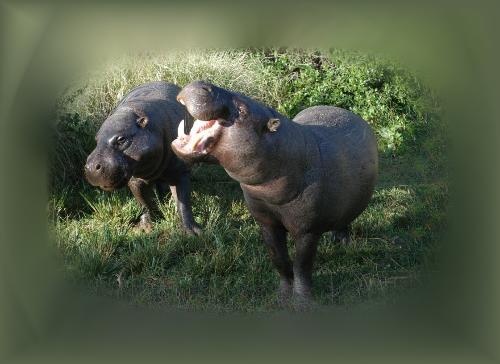
- pygmy hippopotamus
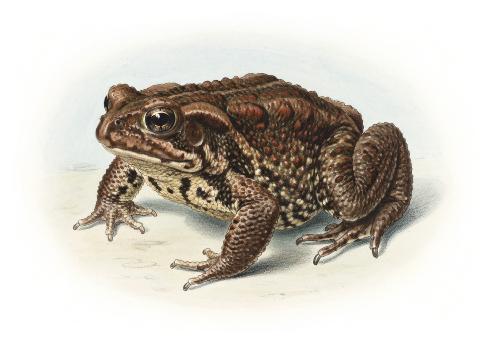
- common european toad
- Human Flea
- Dog Flea
- Oriental Rat Flea
- Hen Flea
- Northern Rat Flea
- chigoe flea
- Hedgehog Flea
- new zealand bat flea
- Martin Flea
- cat flea
- Ceratophyllus farreni
- Chaffinch Flea
- Rabbit Flea
- Mouse Flea
- sticktight flea
- Squirrel Flea
- Sparrow Flea
- Amalaraeus dissimilis
- Northern Flea
- Ceratophyllus chasteli
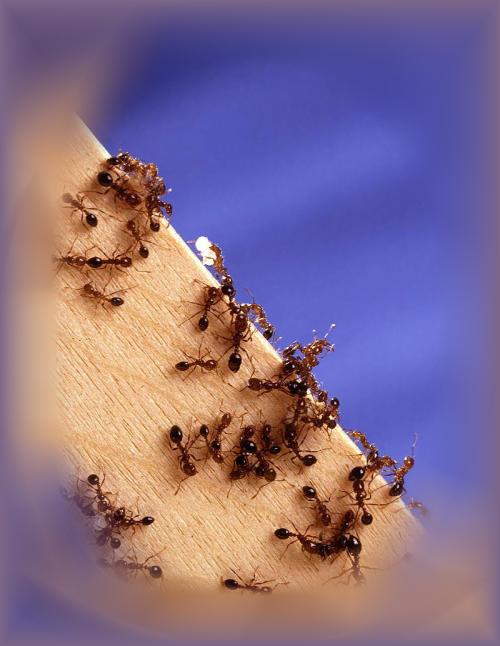
- Fire ant
- European toad
- Cockroach (domestic, red)
Traits and their opposites
Each trait of this archetype — and what is opposite to it.
- Spirituality ↔ Pragmatism
Find your most suitable archetypes
Archetypes are facets of personality and behaviour: sometimes a hamster, sometimes a lion. Take a test for yourself, a friend or a pet.