




















The “Basilisk” archetype
Cultural context
Few creatures carry as much dread and as much admiration in a single name as the basilisk. In old stories it is the king of serpents, a crowned thing whose stare alone could wither a field or stop a heart, and people kept their distance while whispering about its power. The living plumed basilisk of Central American riverbanks, a bright green lizard with a sail-like crest, borrowed that name and earned it anew by sprinting upright across the surface of a stream, which is why some call it the Jesus Christ lizard. Whether in legend or in the reeds, the basilisk is the same sort of figure: regal, swift, self-sufficient, beautiful in a way you remember, and a little dangerous. It does not ask for company. It holds its place by the water, watches, and then moves so suddenly that the moment seems to belong to someone else.
Scales
Read through its strong and weak poles, the basilisk is a creature of contrasts. It feels set apart, almost forbidden, as if touching it would require permission, and that aura goes hand in hand with a restless search for meaning and a private bond with the world around it. Its body is a source of pride: strong, athletic, hard to tire. Its eye is drawn to line, colour and pattern, and it wants a place of honour among its peers. New ground attracts it more than familiar ground, and it bristles whenever a group tries to herd it, preferring its own road even when that road crosses open water. It can be bold in company and unexpectedly sharp in thought, taking things apart with real appetite. It is orderly enough to keep its affairs tidy, and it looks at life in long arcs rather than for the next meal alone. Warmth, pleasure in the body, play and attraction show up in small and private doses, and its loyalty to custom is quiet rather than loud. The colder poles run deeper. It is stubborn and quick to quarrel, slow to be moved by other people's feelings, a little calculating about what it is owed, and far more likely to look after itself than to sacrifice anything for someone else.
Core traits
At the centre of the basilisk sits a sense of the sacred, of being set apart and not to be handled lightly. From it grow a searching spirit that wants meaning rather than noise, and a body of real power, agile and strong enough to turn flight into spectacle. Beauty matters to it deeply: it notices the gleam of a scale, the curve of a crest, the way light breaks on moving water, and expects the same eye from others. Rank matters too. The basilisk wants its standing seen, not out of vanity so much as a conviction that majesty should look like majesty.
How to be around
How should you handle a basilisk? Come in calm, speak plainly and keep your word. Flattery and games make it recoil, while straightforwardness earns a cautious welcome. Its temper can flare without warning and just as quickly pass, so learn to wait out a storm without taking it personally, and you will be allowed closer than most. Never test its patience with teasing about its vanity; it keeps count of slights for a long time.
With a woman
Treat a woman-basilisk as someone whose standing is already settled. Open with a question about her taste or her plans and then really listen, because she reads at once whether you ask out of respect or out of habit. Bring her something well chosen rather than something large: a rare book, a fine piece of fabric, an invitation to a place with a view. Praise her judgment specifically, naming the decision you admired. Flat compliments slide off her; precise ones stay.
With a man
A man-basilisk comes alive when his body is in motion, so look for what he can sprint, climb, swim or lift with you. Challenge him to a friendly race, praise the result honestly, and let him pick the route. In a dispute keep your sentences short and factual, and raise objections once the audience has gone; criticism in front of others turns him cold and sharp. If he goes quiet and tense, it is not sulking but preparation for a leap.
With a teenage boy
With a teenage boy-basilisk, hand over a real task with real stakes, such as planning a trip, fixing a bike or running a small stall, and then stay out of the details. He bristles at any rule that sounds written for the whole class, yet he will keep a commitment he chose himself. When he breaks a rule, ask what he was trying to prove, not who told him to. Treat his answer as information, and negotiate like colleagues.
With a teenage girl
A teenage girl-basilisk lives through her eyes, so make beauty a shared language. Take her to a gallery, a market full of colours, a garden at dusk, and ask what she noticed first. Believe her answer, even if it is odd. She is quick to feel that her taste is being judged, and just as quick to open up to an adult who treats it as evidence of a real mind.
With a child
For a child-basilisk, turn rules into challenges with a high bar: jump the puddle, reach the tree before the count of ten, balance along the kerb. The little one is energetic and likes to be admired, so be generous with a witnessed triumph and a moment of ceremony. Keep one corner, a box or a shelf, that belongs only to the child and is off limits to everyone else; it feeds the sense of being special that matters so much at this age.
With an animal
Reckon with water and warmth when you keep an animal-basilisk, wild or in your care. It wants a branch above a pool, a sun-heated stone and a hiding place, and it will bolt into the water if startled. Approach slowly from the side, never from above, and let it take food from your hand only after it has come to you first. Handle it rarely; tameness here means tolerance, not affection.
After a quarrel
To quarrel with a basilisk or get under its skin, give orders, compare it to someone else, or reach for what is its own without asking. A woman-basilisk is wounded by condescension, especially the sort delivered with a smile, and she answers with a stare that could chill soup. A man-basilisk cannot bear a hint of weakness, so a joke about his fitness or a remark about his losing will bring out his claws. Tell an adolescent boy-basilisk that everyone does it this way and he will do the opposite at full speed. For a teen girl-basilisk, indifference to her taste is an insult, a shrug at what she made or chose. A child-basilisk flares when someone mocks a secret or snatches its treasure. An animal-basilisk, if cornered or grabbed from above, whips away in a blur and may not trust you again for weeks.
How to befriend
To befriend a basilisk or win it over, arrive with composure, ask for nothing at once and never grovel. A woman-basilisk warms to refined taste and frankness; a man-basilisk, to a shared dash up a hillside or across a lake. Confide in a teen boy-basilisk and he will repay the trust with loyalty. Hand the teen girl-basilisk a gift that has a story behind it. Invite a child-basilisk on an outing to the river and let it lead. With an animal-basilisk, sit still near its basking spot day after day until it stops watching you and starts ignoring you; that is its form of trust.
Similar archetypes
Close facets: images with a similar set of qualities.
Complete opposite
The opposite facet: images whose qualities point the other way.
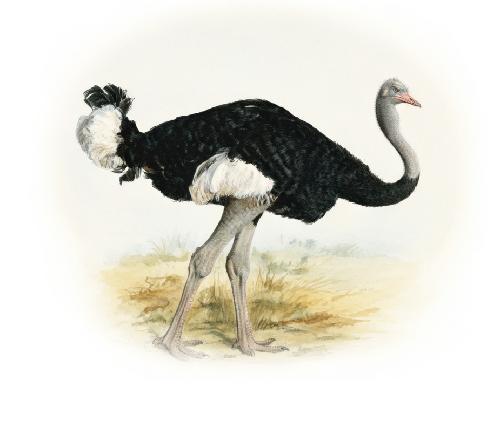
- somali ostrich
- Bed bug
- Cockroach (domestic, red)
- wild boar
- Mole
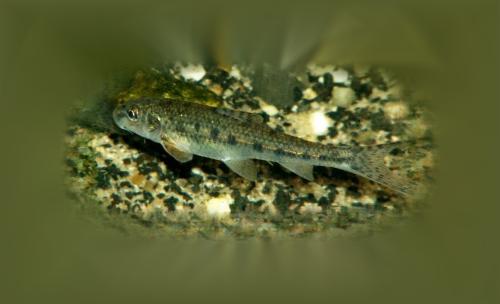
- Gudgeon
- Human Flea
- Dog Flea
- Oriental Rat Flea
- Hen Flea
- Northern Rat Flea
- chigoe flea
- Hedgehog Flea
- new zealand bat flea
- Martin Flea
- cat flea
- Ceratophyllus farreni
- Chaffinch Flea
- Rabbit Flea
- Mouse Flea
- sticktight flea
- Squirrel Flea
- Sparrow Flea
- Amalaraeus dissimilis
- Northern Flea
- Ceratophyllus chasteli
- common european toad
- mallard
Traits and their opposites
Each trait of this archetype — and what is opposite to it.
- Spirituality ↔ Pragmatism
Find your most suitable archetypes
Archetypes are facets of personality and behaviour: sometimes a hamster, sometimes a lion. Take a test for yourself, a friend or a pet.