











The “Thrush” archetype
Cultural context
The blackbird threads its notes through hedgerow mist like a shuttle at dawn, stitching day after day without fanfare or crown. People feel its presence when a garden gate creaks at the same hour each spring, or when a steady whistle greets the first light on slate roofs. No tribe claims it as patron, yet its plain constancy colours the way a village remembers its seasons, measures its worth in the slow stacking of nests and berries, and measures time by the return of that same dark throat each March.
Scales
Tradition speaks through the blackbird as the keeper of small continuities: the same song line passed from parent to fledgling, the same flight path over the same roofs. It turns every new twig into something already known, while still letting curiosity tug at the corner of an eye. Order and making rise in its motions, the careful placement of moss between twigs, and in the way it balances a bough until the whole structure sings with weight. Its presence is a quiet ledger of what has been and what is being kept.
Strong traits
Spring runs beneath its feathers, urging it to rebuild each year from last season’s lessons, to lift the same notes to a higher branch or a fresher garden. Harmony guides its choices, letting it settle disputes between sparrows with a single calm phrase and then glide on. Labour is its daily measure: it carries straw, worms and patience until the work stands finished, though the rhythm sometimes forgets the pause that keeps wings strong.
Noticeable traits
Ordinary hours shape its comfort. It knows the weight of the same path at sunrise, the same corner of the lawn, and finds enough joy in that repetition to keep feathers sleek and eyes bright. Yet the same taste for the usual can narrow the view when a sudden gap opens in the hedge and a different route waits unseen.
How to be around
Near the blackbird the day keeps its own pace. Offer steady ground beneath its feet, keep surprises small, and let the pattern of the hours stay legible. When the rhythm holds, trust and calm follow like the second line of its song.
With a woman
A woman listens to the season turning inside her and begins again without announcement, carrying the memory of what worked last time into the new garden bed. Give her room to rearrange the order she has built, welcome the fresh pattern when she shows it, and notice the quiet skill that turns old soil into fresh rows. She will weigh your suggestion with an eye for both beauty and usefulness, then decide whether the change truly fits the shape she has already traced.
With a man
A man prefers the path he has walked before, the gate that opens the same way each morning, the measured exchange of favours that keeps the neighbourhood even. Stand beside him when small disputes arise and let him find the middle line that leaves both sides able to meet again without loss of face. He speaks plainly, keeps his word without flourish, and expects the same plain dealing in return.
With a teenage boy
A teenage boy works until the last light fades, shaping a shelf or a melody until every joint sits square. Praise the line he has drawn, not the speed; let him rest when his shoulders finally drop. He feels the weight of every note he sings and the grain of every plank he planes, and he welcomes a hand offered in silence rather than in lecture.
With a teenage girl
A teenage girl folds the day into neat corners, the timetable on the wall, the books aligned by subject. She will lend a neighbour an hour if the request is honest, yet she likes her own circle small and steady. Walk beside her when she chooses the longer lane home; the extra steps are her way of keeping the balance she needs.
With a child
A child keeps at the puzzle until every piece lies flat, then begins another without being asked. Leave the pieces on the table overnight if that is where the child left them; the work resumes at its own hour. The small chest swells with the pride of finishing, and the next task waits like an unopened gate.
With an animal
An animal settles on the same branch each dusk, its claws finding the groove already worn smooth. Keep the branch clear of sudden hands or voices; the bird will return when the light and the quiet match yesterday’s pattern. The perch itself feels like memory made visible.
After a quarrel
The blackbird draws its strength from an inner ledger of purpose and from the discipline that keeps each hour in place. A woman feels the ground tilt when someone adds an unplanned task to her morning list. A man grows still when his measured plan is questioned in front of others. A teenage boy tightens his grip on the tool in his hand if the work is called pointless. A teenage girl steps back when laughter breaks the quiet order of her afternoon. A child’s shoulders rise when the unfinished drawing is swept aside. An animal leaves the branch if the branch itself is shaken.
How to befriend
The blackbird answers warmth with the same measured closeness it keeps with its mate and with the play of light across its own wing. A woman draws nearer when a shared task ends in something beautiful made together. A man lingers if the conversation stays light and ends with a single clear agreement. A teenage boy relaxes when a joke lands at the exact moment his hands are busy. A teenage girl brightens at an invitation that respects her schedule and adds no extra weight. A child stays close if the game follows the rules already agreed. An animal returns to the same branch when the watcher below keeps still and offers only a soft, familiar note.
Similar archetypes
Close facets: images with a similar set of qualities.
Complete opposite
The opposite facet: images whose qualities point the other way.
- Bed bug
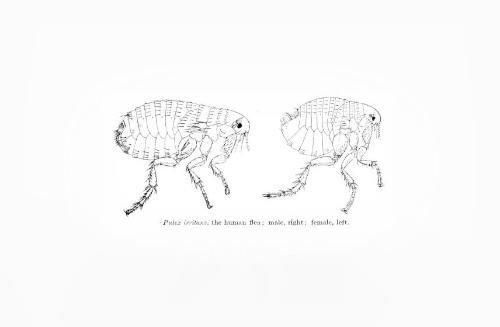
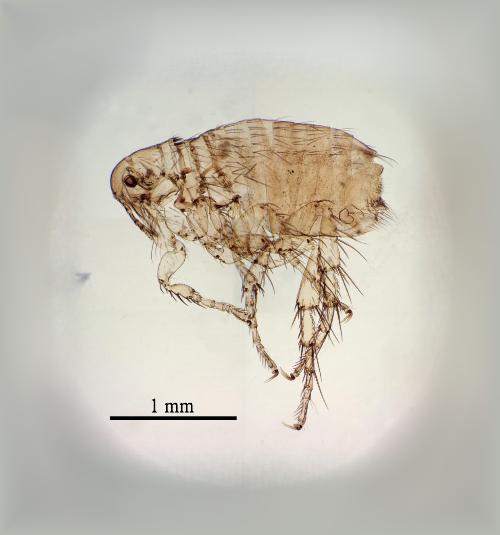
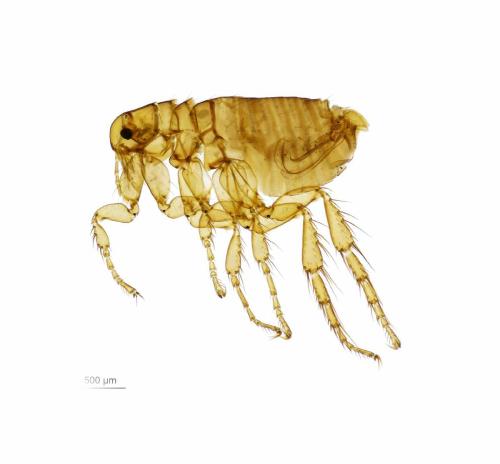
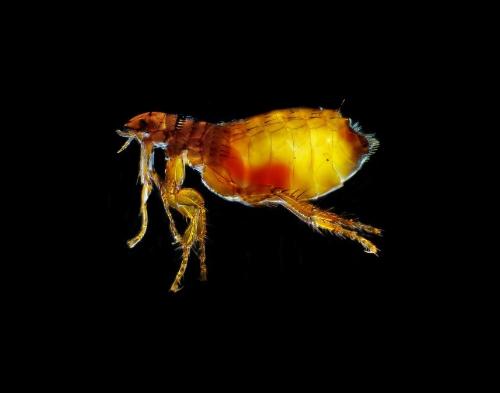
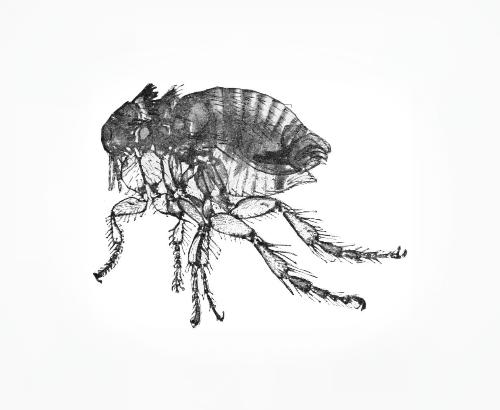
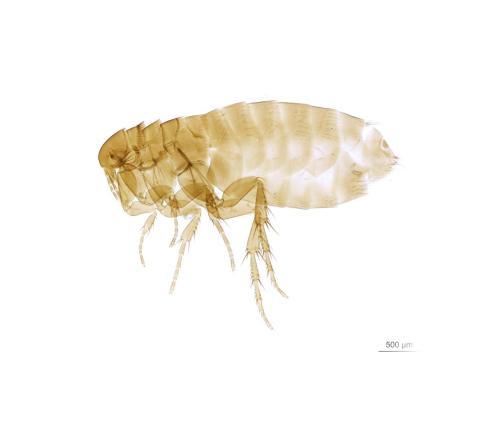
- Human Flea
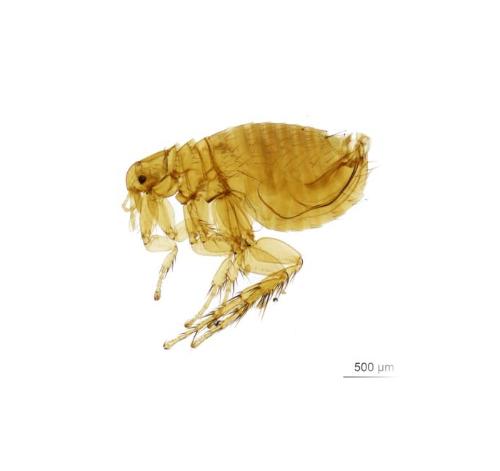
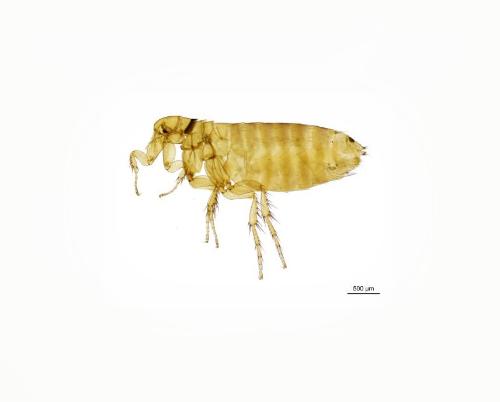
- Dog Flea
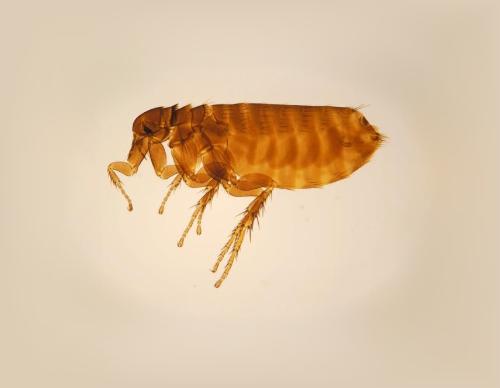
- Oriental Rat Flea
- Hen Flea
- Northern Rat Flea
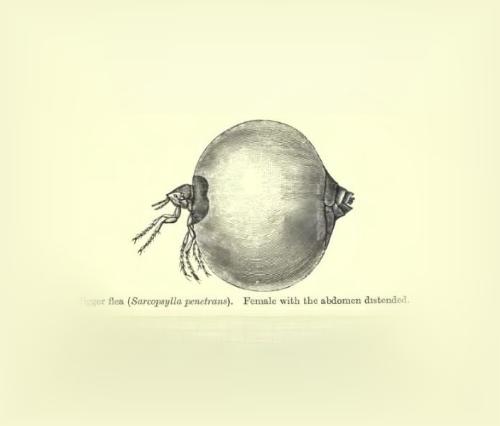
- chigoe flea
- Hedgehog Flea
- new zealand bat flea
- Martin Flea
- cat flea
- Ceratophyllus farreni
- Chaffinch Flea
- Rabbit Flea
- Mouse Flea
- sticktight flea
- Squirrel Flea
- Sparrow Flea
- Amalaraeus dissimilis
- Northern Flea
- Ceratophyllus chasteli
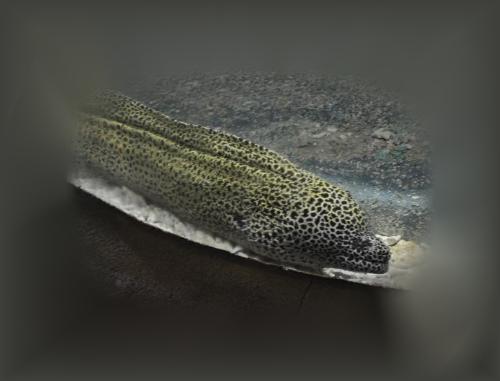
- laced moray
- eel
- dark moray
- giant moray
- congo
- freshwater moray
- greek
- sharktooth moray
- conger
Find your most suitable archetypes
Archetypes are facets of personality and behaviour: sometimes a hamster, sometimes a lion. Take a test for yourself, a friend or a pet.