









The “Kingsnake” archetype
Cultural context
Across African and Indian traditions the california kingsnake glides through tales as a creature of measured power. Folk narratives picture it as a traveller that slips between worlds, shedding old patterns the way sand sheds noon heat. A single coil in the dust can echo the long curve of a riverbed at dusk, while its silence speaks of knowledge carried underground. Villagers speak of it as the one that enters forbidden groves without breaking a twig, then leaves the place unchanged except for a faint scent of crushed leaves. Such stories frame it less as a ruler than as a witness that keeps watch over thresholds, an animal whose presence marks the boundary between what is seen and what stays hidden.
Scales
Seen through these traditions the california kingsnake stands for autonomy tempered by a watchful reverence for the sacred. It moves without waiting for approval, yet its path often circles places others hesitate to enter. Its body, polished like river stones after rain, signals an instinctive eye for grace, while its refusal to linger where the crowd gathers hints at a quiet revolt against shared habit. Endurance shows in the way it threads through drought-cracked earth without faltering, and a steady curiosity draws it toward new burrows and unseen trails. Still, its poise carries a hint of reserve: it keeps company with the world yet never dissolves into it, choosing the long rhythm of its own coils over the hurried pulse of the group.
Core traits
Independence runs through the california kingsnake like the dark stripe that bisects its back. It decides its route without consulting the wind, trusting its own muscles to read heat, slope and shadow. Because it seldom leans on others, it can hold its ground when storms strip the hills bare, yet the same solitary habit leaves it circling the same stones season after season, unaware that another path might open if it asked for directions.
Strong traits
Beauty, speed, imitation and adaptability form a living braid along its length. The glossy bands catch late light like lacquered wood, drawing every eye before the snake has even moved. When danger rises it vanishes in a flicker, sliding into shadow so swiftly the glance arrives too late. At the same moment its pattern copies the dangerous coral snake’s rings, letting it drift through hostile ground without a challenge. Should the ground crack or flood, it simply lengthens its loops, threading new gaps as though the altered landscape had always been its intended route.
Noticeable traits
Secrecy and cunning keep the california kingsnake’s plans folded tight inside its coils. It lingers in leaf litter until the moment to cross is perfect, leaving no trace beyond a single displaced pebble. When a rival blocks the path it does not push; instead it doubles back through a crevice no larger than its eye and appears on the far side while the other is still watching the empty trail.
How to be around
Approach the california kingsnake on its own terms: notice the slight tightening of its body when the air shifts, and wait until the tension eases before speaking or moving closer. Offer no sudden gestures; let it choose the distance it keeps.
With a woman
A woman who carries the california kingsnake’s temper will chart her course without waiting for consensus, so give her room to decide and do not crowd the map with suggestions. She may pause at the edge of a project that feels tainted or off-limits, sensing a boundary others overlook; respect that hesitation as a sign she is weighing something she will not name. When balance matters more to her than speed, she may rearrange a plan until every element sits in its proper order; admire the finished shape rather than urging haste.
With a man
A man who shares the california kingsnake’s grace notices every mismatched colour in a room, so speak to him where light and line are kind. He may linger over a single polished stone or a line of verse long after others have moved on; join him there instead of pulling him forward. Questions about purpose or legacy surface quietly at dusk; answer them plainly and let the conversation stretch into the dark without forcing a conclusion.
With a teenage boy
A teenage boy who moves with the california kingsnake’s quickness will choose his side before the group has finished its sentence, so listen first and argue later. He may bolt toward an untested trail simply because it is new; walk beside him rather than blocking the way. When he senses pressure to conform he answers with silence or a sudden change of subject; give him that silence and he may circle back on his own.
With a teenage girl
A teenage girl who wears the california kingsnake’s pattern can shift her voice and posture to match any circle she enters, yet she keeps a private tally of what she has altered. Ask her about the part of the performance she would rather drop, and she may reveal the cost of fitting in. Physical effort steadies her more than words; offer a shared task that uses her hands and she will speak more freely. She values fairness that costs nothing to name; notice when she yields ground and name it once, then let the moment pass.
With a child
A child who echoes the california kingsnake’s suppleness will try three different routes around an obstacle before asking for help, so watch the experiments rather than interrupting. Their energy lasts through long afternoons of solitary searching, yet they may grow quiet and distant if asked to explain every choice. When another child needs a hand they sometimes offer it without announcement, then retreat again to their own corner; trust the pattern and do not demand thanks.
With an animal
An animal california kingsnake will test every corner of its enclosure before settling, so arrange the space once and then leave it unaltered. It tracks the keeper’s footfall and retreats if the rhythm feels rushed; slow your steps and it may stay visible. Order matters: a misplaced branch or an unlatched latch disturbs it more than an empty water bowl, so keep the routine steady and it will accept your presence without protest.
After a quarrel
The california kingsnake meets conflict by slipping sideways rather than striking. A woman will fold her plans into silence until the other party grows uneasy and withdraws first. A man will let the argument circle until every weak point lies exposed, then step away without raising his voice. A teenage boy answers an order with an unexpected change of subject that leaves the challenger talking to air. A teenage girl meets pressure with a smile that never reaches her eyes and a remark whose edge is felt only later. A child simply disappears behind furniture or into another room, leaving the dispute unfinished. An animal coils tighter and stares past the intruder until the space is vacated.
How to befriend
Friendship with the california kingsnake grows through shared stillness and careful touch. A woman warms to someone who notices the small objects she keeps near and leaves them untouched. A man lingers longest with a companion who can sit beside him in companionable quiet while daylight fades. A teenage boy draws closer during a wordless task that ends with tired muscles and a shared glance of satisfaction. A teenage girl opens up when her changing moods are met with steady presence rather than questions. A child trusts the adult who waits at the edge of play until invited inward. An animal accepts the hand that strokes once, then rests, letting warmth and scent speak where words would crowd the air.
Similar archetypes
Close facets: images with a similar set of qualities.
- Milk snake
- Blue-ringed Octopus
- Leopard gecko
- Panther chameleon
- Leather gecko
- Giant Pacific Octopus
- Cuttlefish
- Red-eared slider
Complete opposite
The opposite facet: images whose qualities point the other way.
- Turkey
- Blanc de l'Ouest Pig
- mallard
- Bed bug
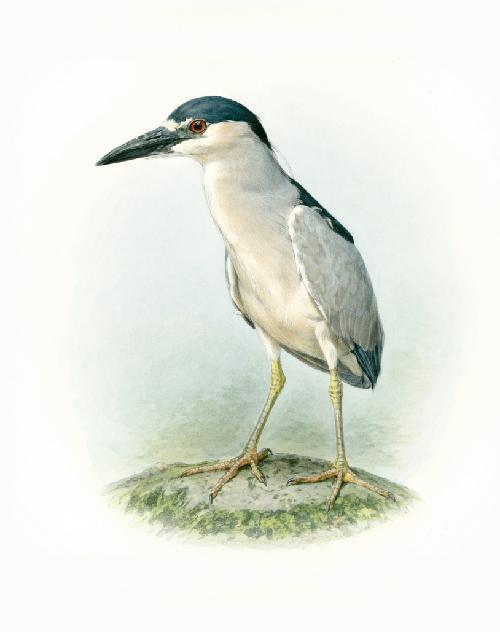
- black-crowned night heron
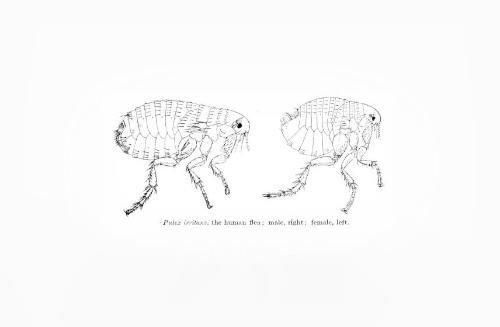
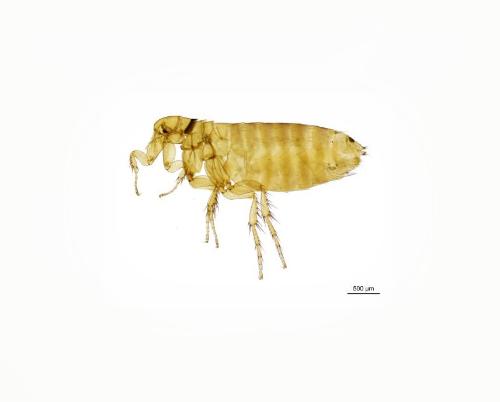
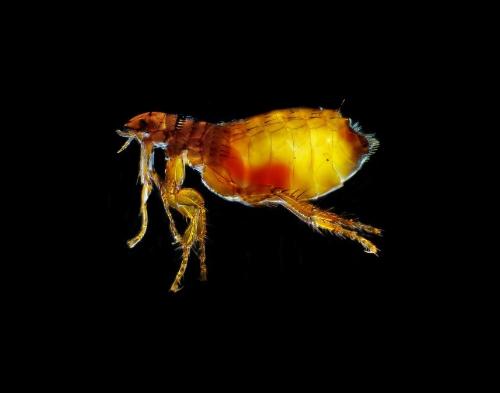
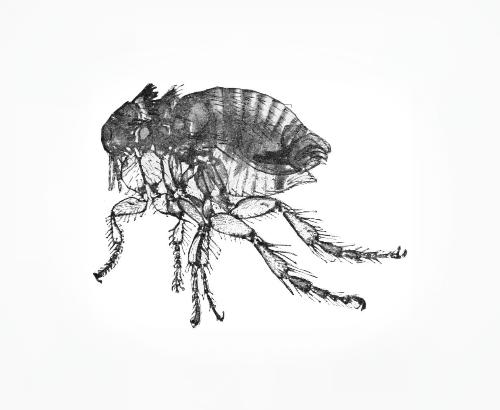
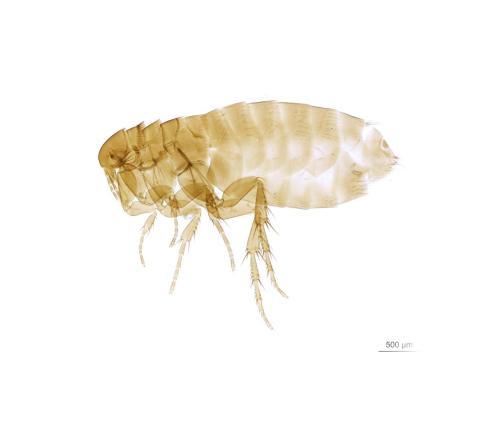
- Human Flea
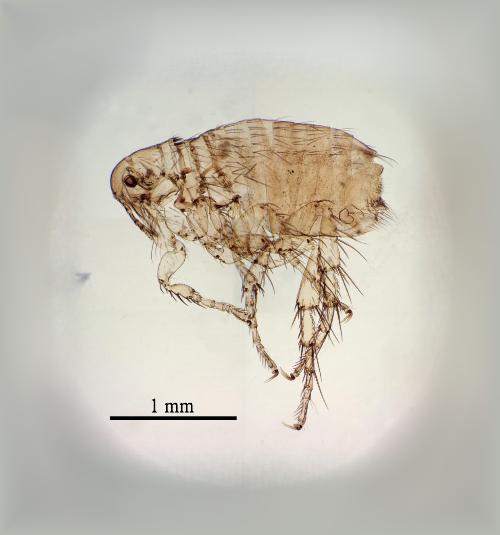
- Dog Flea
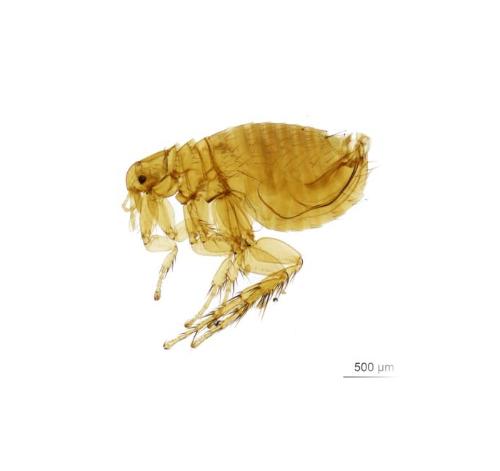
- Oriental Rat Flea
- Hen Flea
- Northern Rat Flea
- chigoe flea
- Hedgehog Flea
- new zealand bat flea
- Martin Flea
- cat flea
- Ceratophyllus farreni
- Chaffinch Flea
- Rabbit Flea
- Mouse Flea
- sticktight flea
- Squirrel Flea
- Sparrow Flea
- Amalaraeus dissimilis
- Northern Flea
- Ceratophyllus chasteli
Find your most suitable archetypes
Archetypes are facets of personality and behaviour: sometimes a hamster, sometimes a lion. Take a test for yourself, a friend or a pet.