







The “Viper” archetype
Cultural context
Across Europe and Russia the adder is the snake people watch their step around. It sunbathes on warm paths, says nothing, and strikes only when trodden on, which is why folk memory sees it as secretive and dangerous rather than merely wild. In Russian speech, calling someone a viper is still an insult for a person who smiles while planning a betrayal. Yet the same stories grant it one hard-edged virtue: once the adder has settled on a patch of ground, or on a creature to defend, it guards that choice without wavering. The prudent attitude handed down is simple. Keep your distance, keep your voice level, and do not reach into places where it lives.
Scales
Seen through those traditions, the adder is a creature drawn to whatever is set apart and forbidden: the sealed door, the unspoken name, the spot where you are told not to dig. A searching, almost spiritual streak sits beside a quick analytical mind that is open to anything new. Warmth and fair play are not where it spends its energy. It is stubborn, argumentative, inclined to bend rules in its own favour, and when something must be given up it looks after itself first. There is real strength in the body and real feeling beneath the scales, and a flicker of play shows up now and then, but order and routine are not its gifts.
Core traits
Treachery sits at the centre of the adder, and it grows out of fear rather than relish. A snake that feels cornered will lie, double-cross and take what it needs, and afterwards it is left with the wreckage: people who no longer trust it and a low opinion of itself. The same trait also holds the way out. An adder that learns to look at those dark impulses instead of acting on them can become more honest than anyone expected, and honesty won that way is hard to shake.
Strong traits
Spite, menace, changeability and rage make up the next layer. Spite guards the adder's private ground and forces change, though it also drives off people who meant well and starts quarrels nobody needed. Menace keeps everyone alert; it sharpens intuition and works as armour, yet it fills a room with unease and leaves the adder standing alone. Changeability lets it swap plans and moods in an afternoon, handy in a crisis and ruinous for anything long. Rage supplies the drive to defend a boundary, at the price of burned bridges and lost control.
Noticeable traits
Cunning is the quiet tool at work beneath all this. The adder reads a situation the way a fisherman reads water and finds the unexpected route around trouble, preferring to slip past an obstacle rather than face it. Its patience is part of the method: it can wait days for the right moment and spend a single move on it. That strategic gift can slide into manipulation, and into a habit of avoiding any straight, open move.
How to be around
How do you handle an adder? The way you would cross a heath in summer: look where you put your feet, keep a steady pace, and never poke the undergrowth to see what happens. Charm and speeches get nowhere. Consistency does, and the adder keeps a precise record of every promise that was kept or broken.
With a woman
A woman-adder is best met with a clear arrangement: agree who does what and by when, write it down if need be, and then stick to it to the letter. She trusts rules she can check. When she has made a decision you find puzzling, ask what help she needs rather than why she chose it, and leave her a seat where she can see the door.
With a man
Praise a man-adder for precision, and keep it dry: "you picked the right moment" means more to him than a flood of enthusiasm. Hand him a problem that needs a detour rather than a frontal assault, and stay out of the details of how he solves it. Lie to him once and the door stays shut for a long time, so deliver bad news early and plainly.
With a teenage boy
With a teenage boy-adder, tell the story of a time you cornered yourself with a lie, and what it cost. Make it a story, not a lecture. He will own up to his own version if owning up feels safer than hiding. His fuse is short, so save serious talks for the morning after a blow-up, never during one. Give him one job that is entirely his, with a result nobody else can claim.
With a teenage girl
For a teenage girl-adder, build a place that is hers: a box with a lock, a notebook, a bench at the edge of the garden. Her pull toward the secret and the forbidden is strong, and it goes better when it finds outlets you know about, such as mystery novels, puzzles and walks after dusk with a torch. A teen girl with a safe hiding place makes fewer dangerous ones.
With a child
A child-adder learns early what each grown-up will tolerate, so meet a fib with curiosity rather than punishment: "Did you really think I would believe that?" Then reward every honest answer, even when it costs him something. Hide-and-seek and detective games give his cunning a harmless field to run around in.
With an animal
An animal-adder wants a burrow before it wants company. Offer a snug corner or a warm stone, and approach from the side, slowly, never from above. Feed it at the same hour every day. If it hisses, you closed the distance too fast; take a single step back and the hiss usually fades.
After a quarrel
To quarrel with an adder or get under its skin, tread on its tail: catch it in a lie, pry into what it keeps hidden, or laugh at its wariness. A woman-adder bristles when her weakness is exposed in front of others, a man-adder when his plan is picked apart before it is finished. A teen girl erupts over a diary read behind her back, a teen boy at being called a coward in public, a child at being compared with the obedient ones, and an animal when a hand reaches into its shelter. Afterwards the adder will not shout. It goes very quiet, and the silence is the dangerous part.
How to befriend
To befriend an adder or win it over, keep your word even in trivial things, because it chooses once and then stays loyal to the end. Give a woman-adder work where her cunning counts as an asset rather than a threat. Show a man-adder that you can wait out his silence without taking offence. A teen shares secrets with whoever protects them, so protect them. A child warms to the person who is not frightened by the hissing, and an animal to the one who turns up at the same time with food and never peers into the burrow. Loyalty, once granted, is total, and so is the memory.
Similar archetypes
Close facets: images with a similar set of qualities.
- false bat
- common pipistrelle
- pygmy pipistrelle
- common pipistrelle
- serotine
- natterers bat
- brandt's bat
- common bentwing bat
Complete opposite
The opposite facet: images whose qualities point the other way.
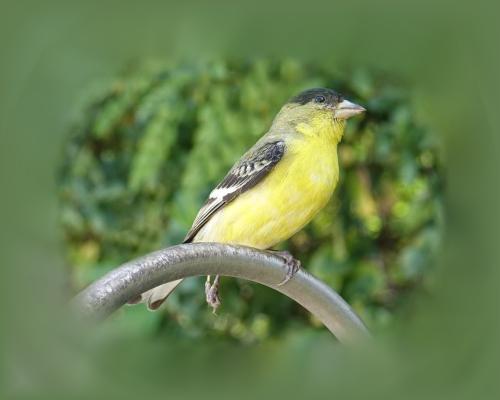
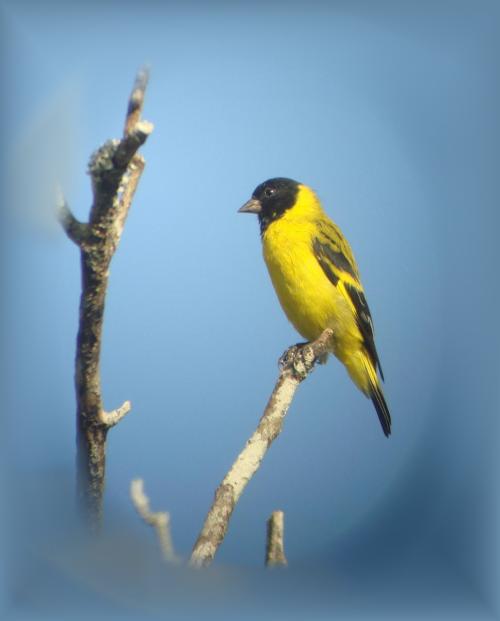
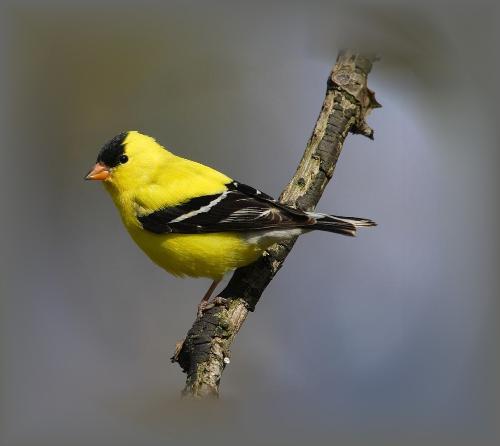
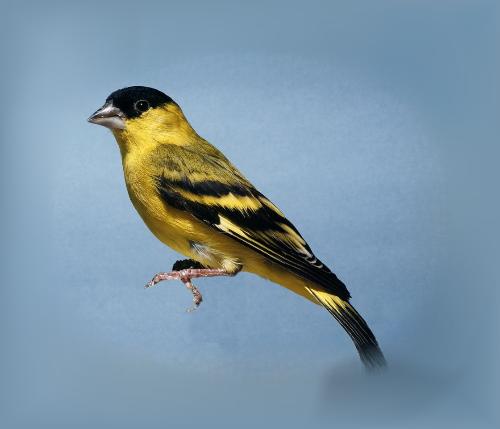
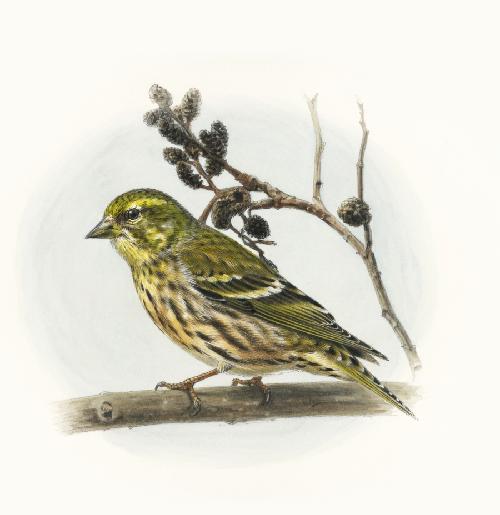
- eurasian siskin
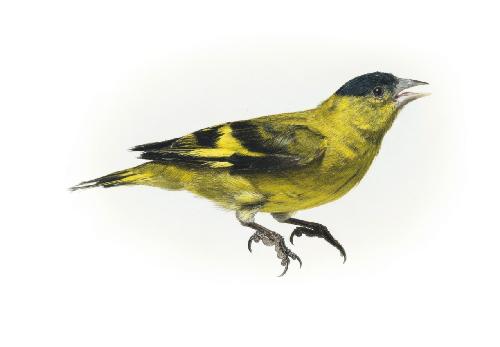
- Black-headed Siskin
- olivaceous siskin
- eurasian siskin
- eurasian siskin
- eurasian siskin
- eurasian siskin
- eurasian siskin
- eurasian siskin
- eurasian siskin
- hooded siskin
- eurasian siskin
- tibetan serin
- andean siskin
- yellow-bellied siskin
- saffron siskin
- lawrence's goldfinch
- mallard
- wild boar
- brown lipped snail
Traits and their opposites
Each trait of this archetype — and what is opposite to it.
- Harmfulness ↔ Benevolence
Find your most suitable archetypes
Archetypes are facets of personality and behaviour: sometimes a hamster, sometimes a lion. Take a test for yourself, a friend or a pet.