




















The “Leopard gecko” archetype
Cultural context
Across the arid plains of Africa, the leopard gecko skims the night like a patch of wind. Indian eyes have long read its motionless silhouette as a fragment of forgotten counsel. Chinese artisans copied the shifting spots that ripple across its back, treating them as lessons in quiet concealment. Persian carpets once echoed that same pattern in knots of silk, a hint that beauty can hide where the light does not reach.
Scales
Tradition sees the leopard gecko as a creature that keeps its own counsel and walks its own road. It owns a sharp appetite for colour and line, yet it never shouts its presence. Playfulness flickers behind its stillness, a quick twitch of tail that lightens heavy moments. Endurance lets it survive stone and heat, while a measured orderliness governs its nightly rounds. It welcomes whatever the dark may bring, though it seldom seeks the crowd; its strength lies in the measured pace that binds the moment to the long night.
Core traits
Adaptability moves through the leopard gecko like a second skin. When the burrow collapses it simply steps aside and digs another, reshaping its night without complaint. That readiness to pivot keeps it alive, yet the same ease can leave a trail half-finished, the first path abandoned for the next.
Strong traits
The leopard gecko carries the grace of polished stone and the quicksilver spark of curiosity. It lingers on a cranny of bark as though admiring its own reflection, then darts after a moth it has never seen before. Independence lets it slip from the hand that reaches too soon; the same freedom can turn into solitude when the night grows long. Yet its playfulness flickers out like a spark on dry grass, brief, bright, and gone before the wind remembers.
Noticeable traits
Secrecy folds around the leopard gecko like dusk over sand. It rests unseen beneath a flake of bark while the day burns overhead, guarding its plans until the air cools. When the moon rises its eyes open, and the stillness that served it by daylight becomes the quiet theatre of the hunt.
How to be around
Stand a little back and let the leopard gecko decide when to step forward, the space between you slowly becoming the cool stretch of night rather than any cage, while the faint rustle of sand under delicate feet marks each measured pause.
With a woman
A woman with the leopard gecko’s turn of mind will alter her route the moment the ground shifts beneath her feet. Offer a single practical question instead of a long plan, then step aside while she rearranges her evening around the new fact. She prizes the long arc of her own choices; give her time to weigh them. Speak plainly of the facts, and never dress an honest flaw in pretty words; she hears the truth best when it arrives without ribbons.
With a man
A man who moves like the leopard gecko draws the eye without effort, yet he flinches when admiration turns into scrutiny. Place a single lamp where its light flatters the line of his work and leave the rest in shadow. Do not linger on compliments; instead, speak of the quiet order he has built and let the conversation rest there. When he grows still, the stillness itself is his answer.
With a teenage boy
A teenage boy keeps the leopard gecko’s restless curiosity; his questions leap from one subject to the next like quick paws on warm stone. Invite him to show you the latest gadget he has taken apart, then share a short laugh when the pieces refuse to fit. Leave room for his sudden enthusiasm, and do not press him to finish every project he begins. The lightness he brings to the room is worth more than any completed list.
With a teenage girl
A teenage girl holds her ground the way the leopard gecko holds its burrow. She will test every suggestion against her own measure before she moves. Ask once, then wait; the second asking feels like crowding. When she keeps an old custom even while the others drift away, notice the choice without comment. Her endurance is already doing the arguing for her.
With a child
A child darts after a beetle the way the leopard gecko darts after a cricket, joy first, purpose later. Let the game run its noisy course before you mention bedtime or chores. When the child pauses to line up stones in careful rows, do not tidy them; order is the child’s own discovery. The same hands that scatter toys can gather them again if the moment is theirs.
With an animal
An animal that lives by night will vanish if the light finds it too soon. Keep its hide-box in shadow and speak softly when you pass. Allow the gecko to choose the moment it steps onto your palm; the trust it offers is small and exact. Once the creature settles, its cool weight is answer enough.
After a quarrel
The leopard gecko keeps its best thoughts for the hour when the house is quiet. To quarrel with it, begin by dragging those thoughts into the glare of midday. A woman will close her notebook the moment you question her timetable twice; a man will set the lamp aside and leave the room. A teenage boy loses his thread when the music is switched off mid-song; a teenage girl draws her shoulders in when her plan is laughed at before it is finished. A child stops building the moment an adult moves a single block without asking. An animal withdraws under bark the instant the cage is lifted without warning.
How to befriend
The leopard gecko answers strength with stillness and stillness with trust. Walk beside a woman while she rearranges her shelves; the shared silence counts as company. Sit with a man while he studies the grain of a single piece of wood; no words are needed. Race a teenage boy to the far end of the garden path, then let him win by a breath. Trace the pattern on a teenage girl’s bracelet and ask where she found the stones. Build a tower of blocks with a child and leave it standing when the game ends. Offer an animal a warm stone under the lamp and never move it once the creature has claimed it.
Similar archetypes
Close facets: images with a similar set of qualities.
- Milk snake
- Kingsnake
- Leather gecko
- Tiger salamander
- Blue-ringed Octopus
- Red-eared slider
- Toucan
- Red panda
Complete opposite
The opposite facet: images whose qualities point the other way.
- Bed bug
- Cockroach (domestic, red)
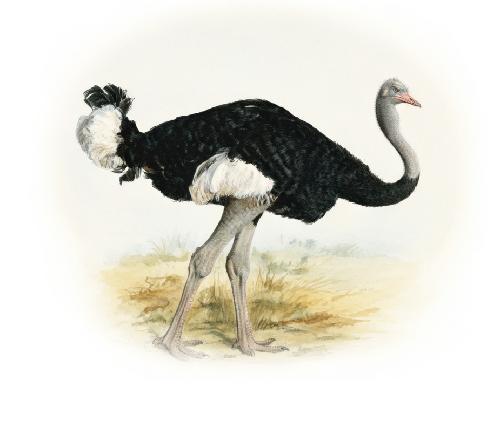
- somali ostrich
- common european toad
- Turkey
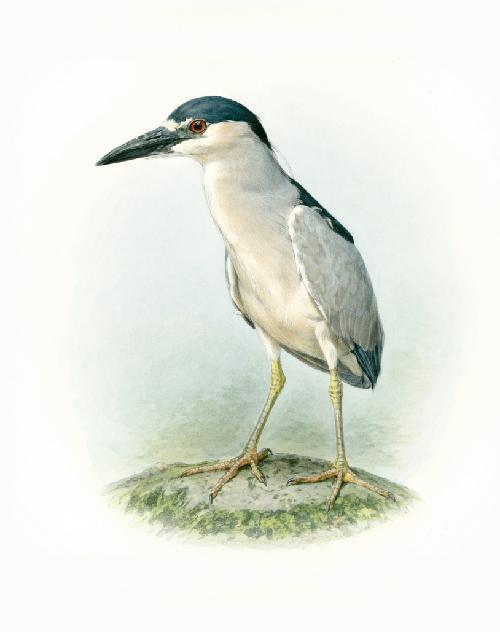
- black-crowned night heron
- Human Flea
- Dog Flea
- Oriental Rat Flea
- Hen Flea
- Northern Rat Flea
- chigoe flea
- Hedgehog Flea
- new zealand bat flea
- Martin Flea
- cat flea
- Ceratophyllus farreni
- Chaffinch Flea
- Rabbit Flea
- Mouse Flea
- sticktight flea
- Squirrel Flea
- Sparrow Flea
- Amalaraeus dissimilis
- Northern Flea
- Ceratophyllus chasteli
Traits and their opposites
Each trait of this archetype — and what is opposite to it.
- Nocturnal Essence ↔ Diurnal Essence
Find your most suitable archetypes
Archetypes are facets of personality and behaviour: sometimes a hamster, sometimes a lion. Take a test for yourself, a friend or a pet.