





The “Goliath frog” archetype
Cultural context
Ancient Egyptian hymns praise the Nile’s living flood, and goliath frogs resting on its banks were taken as quiet witnesses of that yearly rebirth. In China the same calm body on a silty stone recalled the old lesson of wu wei: motion born from stillness. Russian villages, watching floods rise to their doorposts, kept the same sight in memory, reading the frogs’ unhurried breathing as a lesson in staying while waters rise and fall.
Scales
Tradition therefore reads the goliath frog as a body first and foremost, a heavy pulse felt through every muscle and every wet stone it touches. Its presence is all endurance, the kind of strength that outlasts storms and keeps working long after lighter creatures have fled. It carries a clear wish for standing, yet the wish never turns into loud display; it simply refuses to be moved from the place it has claimed. Left to itself, the frog values its own will, follows its own rhythm, and does not ask the current for permission.
Core traits
The goliath frog keeps rising after every sudden drop of water level, after every chase by a heron. Losses turn into new routes along the riverbed, lessons stored in the skin rather than forgotten. Still, once it has set itself on a path, the frog will keep pushing forward even when the bank has already crumbled and the next leap will cost more than it gains.
Strong traits
When the river changes course, the frog decides in the same heartbeat where to land and is already moving before ripples reach the far shore. Its leap commands the shallow water; smaller frogs scatter, and order settles in its wake. The same thrust that clears a channel can also press other bodies aside, leaving them little room to speak or shift.
Noticeable traits
It slips into deeper pools without a splash, reading every shift of current as if the water itself were speaking. From that depth it returns with new routes no one else has tried, though the return sometimes takes longer than the moment requires. While submerged it can miss the sudden change of light on the surface that warns of a coming heron.
How to be around
Approach a goliath frog by moving as steadily as its own breath: speak once, wait, let the water settle, then speak again. Offer nothing that feels like rescue; it already knows the weight of its own limbs and prefers to carry them alone.
With a woman
A woman who carries the frog’s temperament will stay on a task long after others have folded their tools, turning every setback into a finer plan. Her hands remember every stone they have gripped, and she expects any offer of help to respect that memory. If she senses that a suggestion hides a claim on her time or her credit, she grows still; the silence is colder than any argument. Yet when the work is finished she may speak of it only in passing, as if praise were a debt she had already paid.
With a man
A man who moves like the frog will answer a sudden problem before the question is finished, and the answer will be correct more often than not. He works until the light fails and still finds strength to begin again at dawn. When someone offers to share the load, he accepts only if the helper already knows the river’s turns; otherwise he keeps the heavier end for himself and says nothing more about it.
With a teenage boy
A teenage boy who lives inside this pattern will gather younger frogs into a single line across the current and expect them to stay there until the crossing is done. He remembers the order his elders once set and repeats it without change, even when the stones have shifted overnight. If the line breaks, he restores it with a single look rather than a shout, and the others fall back into place.
With a teenage girl
A teenage girl with the same temper claims the best sun-warmed ledge without asking, then keeps the smaller frogs at a measured distance by the simple fact of her stillness. She studies the pattern of light on the water until she can name every shifting shadow, yet she rarely shares the names unless asked twice. When the group debates a new route, her single word often ends the talk, and the others move as if the word had been their own idea.
With a child
A child who follows the frog’s current will change direction three times in one afternoon and still arrive where they meant to be, though the path looked nothing like the map drawn that morning. They notice every new insect on the leaf and every ripple that bends the reflection of sky, storing each sight without hurry. When an adult tries to shorten the wandering, the child simply lengthens the next pause until the suggestion is forgotten.
With an animal
An animal that carries this shape will sink to the bottom of its pool and stay there until every floating leaf has passed, studying the slow drift as if the water itself might speak. When another frog enters the same hollow, it neither attacks nor retreats; it simply lengthens its stillness until the newcomer moves on or settles at the opposite edge. Only the change of seasons can draw it upward again.
After a quarrel
A quarrel begins when someone tries to hurry the frog out of its chosen hollow or insists that the old route is the only one left. A woman meets the pressure with longer silences until the speaker tires of their own voice. A man answers with a single leap that lands him farther downstream than the argument can reach. A teenage boy meets the demand by calling the group into tighter formation and leaving the challenger outside the line. A teenage girl answers by naming every flaw in the new plan until no one remembers who first suggested it. A child stops moving altogether, becoming a weight no one can shift without breaking the moment. An animal sinks until only its eyes remain above the mud, and the quarreling voice finds nothing left to answer.
How to befriend
Friendship grows when another presence accepts the frog’s pace and does not demand that the pace be explained. A woman remembers the exact stone where a companion once waited without speaking, and returns to that stone when she chooses. A man allows another to walk the same channel only after the newcomer has matched his stride without comment. A teenage boy lets a quieter frog join the line if the newcomer keeps the spacing he has set. A teenage girl accepts company on the sun ledge only when the other frog stays at the measured distance she first allowed. A child shares a new insect only after the listener has watched it for as long as the child has watched. An animal permits a second frog to share the pool once the newcomer has remained still for an entire change of light.
Similar archetypes
Close facets: images with a similar set of qualities.
Complete opposite
The opposite facet: images whose qualities point the other way.
- wild boar
- Black widow spider
- mallard
- Japanese Firefly
- fischer's lovebird
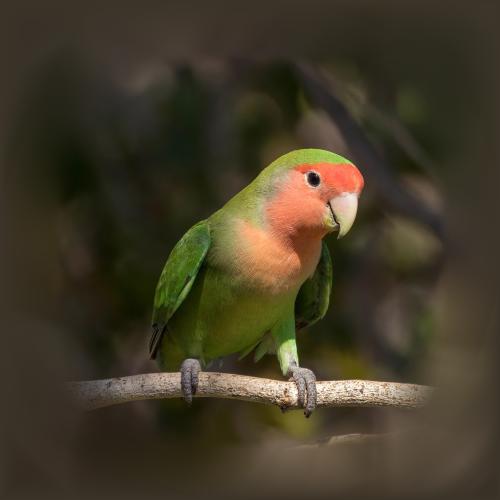
- rosy-faced lovebird
- black-winged lovebird
- yellow-collared lovebird
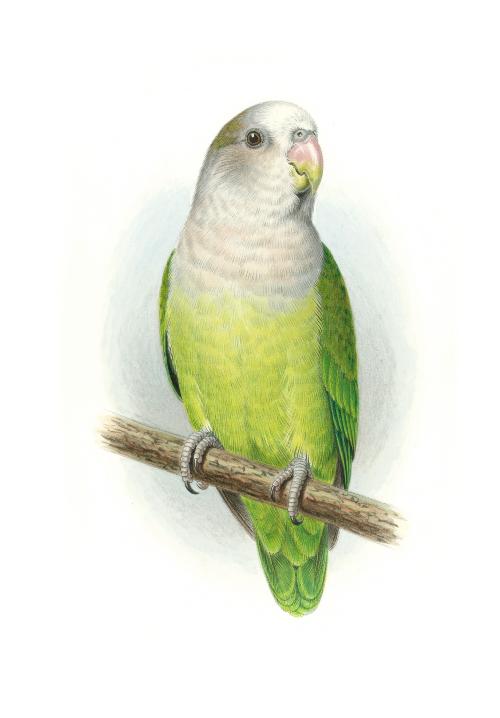
- grey-headed lovebird
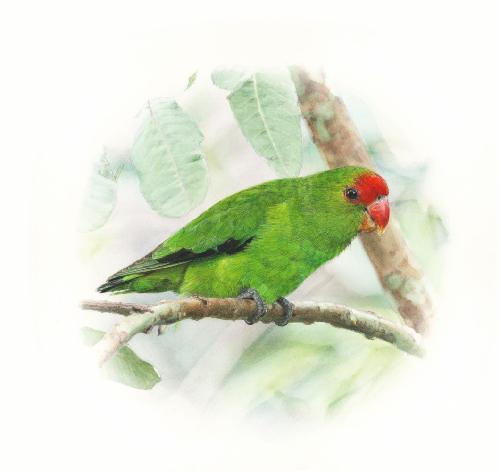
- red-headed lovebird
- black-collared lovebird
- rosy-faced lovebird
- black-cheeked lovebird
- nyasa lovebird
Find your most suitable archetypes
Archetypes are facets of personality and behaviour: sometimes a hamster, sometimes a lion. Take a test for yourself, a friend or a pet.