











The “Pacman frog” archetype
Cultural context
In the corridors of Egyptian tombs the horned frog moves like a living scarab, guarding its square of dust with the same stubborn stillness that the Pharaoh’s soldiers kept around the royal granaries. Chinese storytellers, watching the same wide mouth snap shut, saw a jade toad swallowing moonlight and turning it into rain, a patient broker between heaven and soil. Russian whisperers, poorer in temples yet rich in swamps, kept a simpler tale: if the frog stays in its puddle, the frost will pass it by, and if it leaps too far it will freeze on the road; hence the creature became the emblem of a man who holds his own ground against every season.
Scales
Tradition, speaking through these three cultures, reads the frog as a knot of muscle and appetite. Its body is loud: every breath lifts the mottled back like a bellows; every lunge carries the weight of someone who has already decided where the border lies. Yet the same body refuses to soften into affection or song; it keeps its heat inside the coil of its throat and offers strangers only the cold glint of an eye. Prestige matters to it, though the prestige is measured in square inches of leaf-litter rather than in crowns; once those inches are won, the frog sits motionless for hours, tasting the air for any tremor that might undo the small kingdom it has claimed.
Core traits
Prickliness is the frog’s first and last language. The two pale horns above its eyes are not weapons so much as warning beacons: touch and you will learn how quickly a passive shape can become a mouthful of teeth. The same sharpness lives in its stillness; when danger moves, the frog does not retreat but tightens, every muscle drawn like a bowstring that will not be loosed until the threat has passed or been seized.
Strong traits
Voracity drives the frog to treat every moving shadow as an invitation to enlarge itself; a beetle, a finger, even the rim of its own dish disappears with the same unhesitating snap. Territoriality keeps the feast inside a strict geography: once the circle is chosen, any intruder is answered by a sudden widening of the jaws and a guttural rattle that seems to come from the mud itself. Cunning appears in the way the frog waits half-buried, eyes level with the surface, letting the world come to it rather than wasting strength on pursuit. Dominance is settled the moment another animal steps across the invisible line; the frog swells, plants its elbows, and holds the ground until the challenger backs away or is swallowed whole.
Noticeable traits
Harmfulness shows itself whenever the frog mistakes a helpful hand for an invading root and answers with a lunge that leaves a bruise; the reflex protects the circle but also keeps allies at a distance. Friendliness, by contrast, is a thin green shoot: once in a while the frog will rest its chin on another’s arm without biting, a brief truce that feels almost accidental and vanishes the moment the arm moves.
How to be around
To live near an ornate horned frog you must learn the geography of its silence: watch where the eyes rest, note which patch of earth it has already claimed, and never cross that patch without first announcing yourself in a voice the frog can feel through the soil.
With a woman
A woman who shares the frog’s temperament will let you know the precise moment a conversation has entered her territory; her shoulders tighten and the light in her eyes cools. Instead of pressing, place your palm lightly on the table between you—an offering of contact rather than conquest—and wait until the stiffness eases. She may then lean forward, the faint traditional pull toward independence giving way to a single, deliberate sharing of whatever she has been guarding. The exchange will be brief, almost physical in its clarity, and will leave both of you more certain of the ground you stand on.
With a man
A man cut from the same pattern measures his day in the weight of what he can still take in. When he grows quiet, it is not rest but the pause between two swallows of experience. Offer him a task that matches the size of his appetite—an errand that requires both endurance and focus—and he will return carrying the scent of rain and iron, ready to sit beside you without needing to name what the work has restored.
With a teenage boy
A teenage boy will mark his corner of the room with a backpack, a half-finished model, and an invisible radius that widens whenever anyone approaches. Let the radius stand; ask only whether he needs another pair of hands on the far side of it. If he answers with a shrug, the shrug itself is the treaty. Later he may slide an extra chair into the circle, the gesture so small it could be mistaken for an accident, yet it signals that the border has moved a hand’s width in your direction.
With a teenage girl
A teenage girl keeps her plans folded inside her like a map drawn in disappearing ink. When she senses an attempt to unfold it, she answers with a perfectly timed change of subject or a glance that lands just beside your face. Do not chase the glance; instead, place one useful fact on the table—an address, a time, a spare ticket—and leave. If the fact is still there at the end of the hour, she may pick it up, the motion so economical that only someone watching the edges of the room would notice the border has quietly shifted.
With a child
A child will rearrange an entire table of blocks until the highest tower stands exactly where the light from the window strikes it; every other block exists only to serve that single, chosen height. When the tower leans, do not rush to steady it. Watch the small hands decide whether to rebuild or to let the fall become part of the design. Your stillness tells the child that the territory of play remains intact even when the play itself changes shape.
With an animal
An animal will press its belly to the warm spot beneath the lamp and treat any hand that reaches past the circle of light as an extension of the glass wall. Stroke only the rim of that circle, never the center, and stop the moment the skin along the spine tightens. The animal may then shift one elbow, a quarter-inch invitation that the hand may follow if it moves with the same deliberate slowness the frog itself uses when it claims new ground.
After a quarrel
The ornate horned frog quarrels when its circle is entered without announcement; the reaction is less roar than sudden compression of the whole body, a single breath held until the intruder retreats. A woman will answer an uninvited opinion with a sentence so neatly clipped that the words seem to have edges; the sharpness is not aimed at you but at the line you crossed. A man will answer a public correction by doubling the weight of whatever he is carrying, turning the task itself into armor. A teenage boy will fold his arms across the exact width of his chosen patch of floor and wait, the silence louder than any retort. A teenage girl will smile while her eyes record the precise distance you have overstepped, then excuse herself with a courtesy so flawless it feels like a door closing. A child will sweep an arm across the table, scattering whatever objects lie inside the disputed square, restoring emptiness as the only safe boundary. An animal will swell until its outline doubles, every horn and ridge suddenly visible, the living warning that the ground beneath it has already been claimed.
How to befriend
To befriend the ornate horned frog, become part of the landscape rather than an event inside it. Sit at the margin of its chosen square and let your stillness match its own; the first sign of acceptance may be nothing more than the lowering of one eyelid, a shutter sliding half-closed in the certainty that you will not move. A woman will eventually rest her wrist on the table’s edge so that the pulse becomes audible to anyone listening through wood; the contact is offered, never requested. A man will place an object he values—knife, stone, coil of wire—between you, the placement itself an introduction. A teenage boy will slide a second chair into the circle without comment, the angle of the chair legs revealing how much space he has decided to grant. A teenage girl will leave a single sentence in the air, unfinished, and wait to see whether you add the missing clause or leave it to hang; the choice is hers to measure. A child will hand you the smallest block from the tower and watch whether you return it to its exact former place; the test is quiet, yet the answer decides whether the tower grows taller or stays exactly as tall as the child’s own reach. An animal will shift one shoulder so that the warm spot beneath the lamp now includes the place where your hand rests; the movement is slower than breath, and once completed it is never mentioned again.
Similar archetypes
Close facets: images with a similar set of qualities.
Complete opposite
The opposite facet: images whose qualities point the other way.
- Japanese Firefly
- Panda
- wild boar
- Sheep
- fischer's lovebird
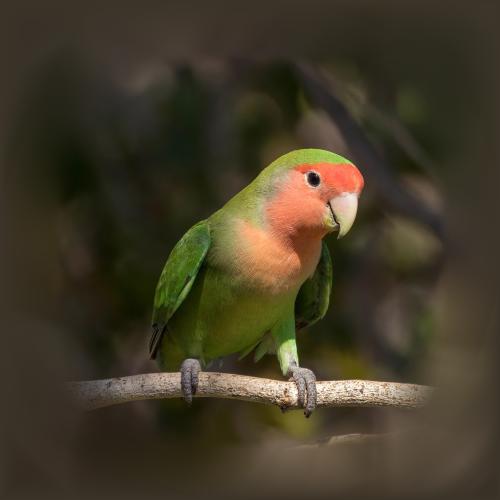
- rosy-faced lovebird
- black-winged lovebird
- yellow-collared lovebird
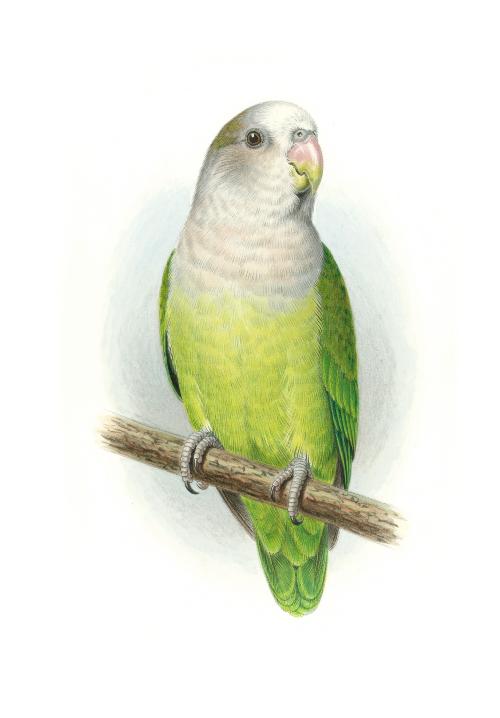
- grey-headed lovebird
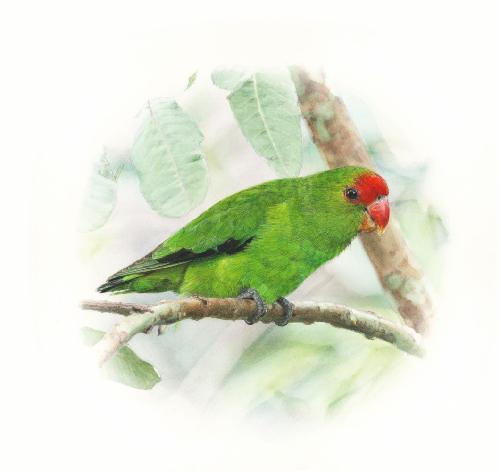
- red-headed lovebird
- black-collared lovebird
- rosy-faced lovebird
- black-cheeked lovebird
- nyasa lovebird
- mallard
- american bighorn
- Sloth
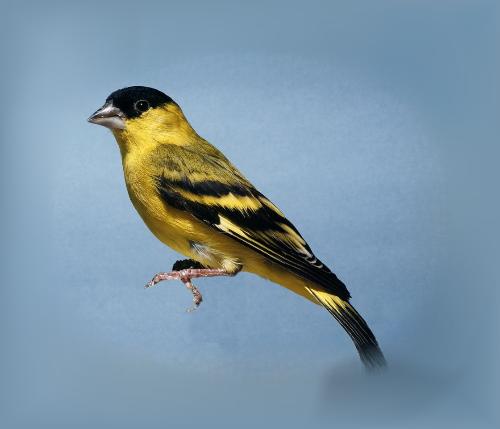
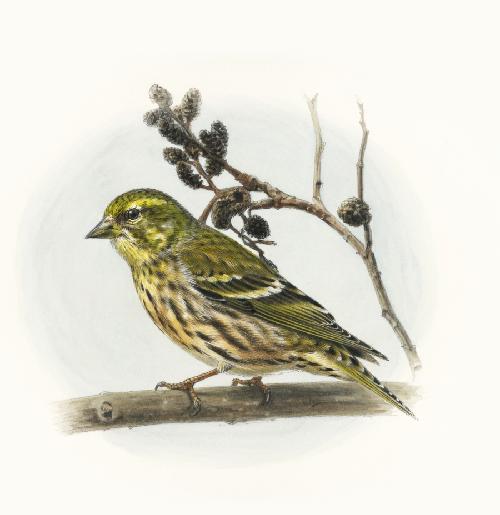
- eurasian siskin
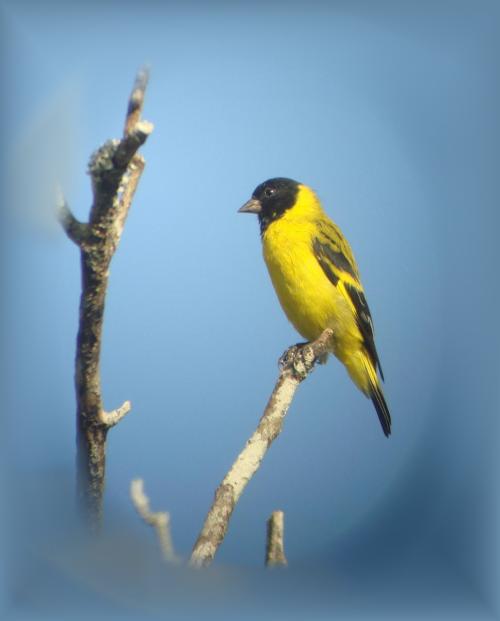
- Black-headed Siskin
- olivaceous siskin
- eurasian siskin
- eurasian siskin
- eurasian siskin
- eurasian siskin
- eurasian siskin
- eurasian siskin
- eurasian siskin
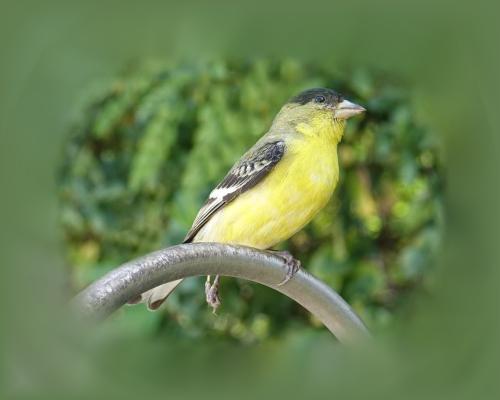
- hooded siskin
- eurasian siskin
- tibetan serin
Traits and their opposites
Each trait of this archetype — and what is opposite to it.
- Harmfulness ↔ Benevolence
Find your most suitable archetypes
Archetypes are facets of personality and behaviour: sometimes a hamster, sometimes a lion. Take a test for yourself, a friend or a pet.