

















The “Tomato frog” archetype
Cultural context
Ancient Egyptians regarded amphibians as living bridges between earth and water, their sudden appearance after the Nile’s retreat taken as proof of rebirth. Chinese thought treasures the same creatures for their quiet accord with seasonal change, the way a frog vanishes into mud and reappears with the rains. Russian tales praise the same silence and patience, the ability to wait out drought and hunger in a single hollow. Seen through these traditions the tomato frog, Dyscophus antongilii, seems to gather the colour of sunset into its back and then fold that brightness away until the next generous season arrives.
Scales
Tradition casts the tomato frog as one who feels beauty the way a tongue feels ripe fruit, who endures long stillness yet rises again with unexpected strength. It resists the press of the group, guarding its own small territory of light and shade. The body is not an afterthought but the first language it trusts, and every movement carries the hush of something set apart. It keeps its distance yet longs for a steady bond, weighs each new sight before tasting it, and holds fast to the customs of its pond even while a spark of mischief now and then lifts its chin.
Core traits
Brightness runs through the tomato frog like sap through young wood. Its presence turns an ordinary stretch of leaf-litter into a patch of living light, drawing eyes without effort. The same vividness can tire the creature itself, and it sometimes pulls back into its burrow to let the glow cool before the next sunrise.
Strong traits
Seasonality moves the tomato frog between bursts of activity and long, necessary silences; it knows when to swell with colour and when to sink beneath the surface until the ground softens again. Beauty is its outward signature, the rounded scarlet back catching late light like lacquered fruit, yet the same loveliness makes it wary of rough handling or careless words. Softness shows in the slow way it yields space on a shared stone, easing tension without ever raising its voice.
Noticeable traits
Stockpiling is second nature; the tomato frog tucks every available insect into the hollow of its throat before the dry months close in, and it parts with nothing until the rains return. Simplicity guides its choices: a single puddle, a single note repeated at dusk, nothing extra, nothing hurried.
How to be around
The tomato frog reveals its gifts most freely when the air around it stays calm and the light remains steady. Offer presence without pressure, and watch how its own rhythm begins to colour the room.
With a woman
A woman who carries the tomato frog’s temperament will brighten a dull morning with sudden laughter, then need the afternoon to herself so the brightness does not burn out. She notices every mismatched cushion and wilted petal; straighten the room before you speak, and do not rush her with clever shortcuts when she is still weighing each small decision. Let her finish arranging her thoughts before you offer your own.
With a man
A man of the same kind stores strength the way the frog stores rain in its skin; he works fiercely for a season, then disappears into silence until the next task calls. He honours the old tools and the familiar path, and any offer of help must arrive as an extra pair of hands, never as a replacement for his own. Praise the endurance he has already shown rather than the prestige he might still earn.
With a teenage boy
A teenage boy with this pattern keeps his hair exactly so and his books stacked by colour; any remark about his appearance lands like a thumb on wet paint. He will push back against a crowd that tries to hurry his choice of music or friends, yet a single shared joke can open the door he slammed yesterday. Leave the long view to him; he already measures today against the person he intends to become.
With a teenage girl
A teenage girl feels every shift in the room the way the frog feels the first drop on its back. She smooths arguments with a lowered voice and an offered cushion, yet she may give away her own evening to keep the peace. When she draws the curtain across her doorway she is not rejecting you; she is guarding the small, warm space where her own skin can rest.
With a child
A child gathers every bright pebble and broken shell into one secret pocket, and the loss of even the smallest piece can shadow an entire afternoon. The child also startles at loud voices and needs a corner where no one else may reach. Ask what treasure is missing before you offer a new one.
With an animal
An animal prefers the same leaf each evening and will circle twice before settling; once settled it tolerates no sudden hands. It notices when its dish is half an inch out of place and will wait until the dish returns to its proper spot before it eats. Keep the routine and the creature keeps its trust.
After a quarrel
Quarrels begin when the tomato frog senses that its private season or its private bond is being rearranged without consent. A woman turns cool when her carefully tended harmony is treated as background noise. A man withdraws his strength the moment someone claims the credit he stored for later. A teenage boy answers with silence if his appearance or playlist is mocked in front of others. A teenage girl retreats further into softness until she can no longer be reached. A child clings to every pebble and will not speak until each one is returned. An animal simply leaves the room and does not come back until the intruder is gone.
How to befriend
Friendship grows when you respect the frog’s need to choose its own rhythm and its own company. A woman opens more readily if you notice the small perfections she has already arranged. A man stays present when you accept that his help arrives on his own timetable. A teenage boy lingers if you share one honest laugh and then step back. A teenage girl trusts you once you let her set the distance between your chairs. A child remembers the adult who guarded the pebble collection without asking to count them. An animal settles beside you only after you have sat still in the same place for many evenings.
Similar archetypes
Close facets: images with a similar set of qualities.
Complete opposite
The opposite facet: images whose qualities point the other way.
- Bed bug
- Human Flea
- Dog Flea
- Oriental Rat Flea
- Hen Flea
- Northern Rat Flea
- chigoe flea
- Hedgehog Flea
- new zealand bat flea
- Martin Flea
- cat flea
- Ceratophyllus farreni
- Chaffinch Flea
- Rabbit Flea
- Mouse Flea
- sticktight flea
- Squirrel Flea
- Sparrow Flea
- Amalaraeus dissimilis
- Northern Flea
- Ceratophyllus chasteli
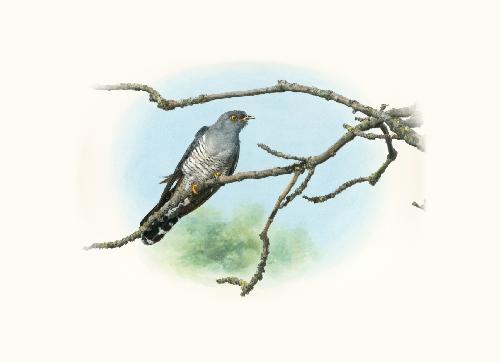
- European Cuckoo
Traits and their opposites
Each trait of this archetype — and what is opposite to it.
- Simplicity ↔ Sophistication
Find your most suitable archetypes
Archetypes are facets of personality and behaviour: sometimes a hamster, sometimes a lion. Take a test for yourself, a friend or a pet.