





















The “Musk ox” archetype
Cultural context
Musk oxen once threaded the frozen barrens of the north, their shaggy coats rimed with breath while they shouldered a blizzard. Cultures across the Arctic coast carved their image on ivory and drum skins, remembering them as the living wall between the herd and the white gale. A traveler who watched them circle the young in a ring of horn and steam understood that a lone life here ends in minutes, so every flank belongs to every other. That memory still lingers: the musk ox stands for endurance without flourish, for the silent pact that each generation inherits from the last.
Scales
Where the musk ox appears in story, the body is never an after-thought. Its heavy tread, the steam that rises from flanks in moonlight, the shared heat inside the ring—these are the truths a hand can touch. Yet the same figure carries a will to last beyond any single winter, a slow pulse that outlives frost and thaw alike. Sacrifice for the circle is instinctive; the individual steps into the wind so the rest may breathe. Custom travels in its bones, and the beauty it seeks is the austere symmetry of ice on stone, the ordered hush before a storm. The musk ox finds its meaning in the act of holding ground, in loyalty felt through muscle and breath rather than argument.
Core traits
At the heart of the musk ox beats an instinct to survive what others flee. It meets each new ice storm not with plans drawn on snow, but with the quick memory of yesterday’s shelter and the ready shift of bodies into a living barricade. That readiness keeps the herd alive when the wind erases every landmark; the same impulse, however, leaves little room to mend the cracks that form after many storms have passed.
Strong traits
Recovery comes quickly once the gale drops: the musk ox shakes off the rime, feeds again, and turns the scar into another layer of caution. Yet it may keep walking the same ridge long after the threat has gone, unwilling to admit the danger has lifted. Its patience can stretch across seasons, a slow certainty that tomorrow will need the same strength as today. When a stranger’s scent drifts across the snow, the herd tightens before any threat is named, guarding the circle first and asking questions later. Inside that circle disputes are settled with a shift of weight, a lowered horn, a return to stillness—harmony restored by presence rather than speech.
Noticeable traits
The herd moves as one body, each animal accepting the rhythm set by the rest; the price of that unity is the habit of measuring every choice against the safety of the group. A lone bull still carries the weight of that expectation, stepping between wind and calf with the quiet authority of someone born to the task. At the same time the musk ox claims its own stretch of tundra, stamping the crust until the ground remembers its weight, and it will meet an unfamiliar track with lowered head and steady breath.
How to be around
The musk ox measures company by the steadiness of a step beside its own. Offer the same weight when the wind rises; leave speeches for later. Its trust forms slowly, like frost on horn, and breaks only when someone turns away before the storm has passed.
With a woman
A woman carrying the musk ox’s temper meets sudden change by reshaping the space around her in a single breath—moving the child, shifting the pack, finding the lee of a drift—yet she rarely pauses to ask whether the same drift will still shelter her tomorrow. When the cold bites through gloves she keeps her hands on the rope, feeling each tug as if the line itself were alive. She answers questions about tomorrow with the present fact of her body between the group and the open slope, and a quick smile may flash when someone slips on ice, the laugh vanishing as soon as balance returns.
With a man
A man shaped like a musk ox rises from each fall already planning the next mile, the loss turned into another layer of hide. His stride never shortens; he will keep moving long after the rest have stopped to rest, and the only sign of strain is the deeper set of his shoulders against the wind. He speaks little of what the effort costs, and when help is offered he answers with the smallest nod, the gesture itself an admission that the load is shared.
With a teenage boy
A teenage boy who moves like a young musk ox will test the edge of the herd for days before he steps outside it, watching how the snow drifts across the trail he might one day walk alone. He waits for the right hour, then shoulders the heaviest pack without being asked, the weight accepted as part of the price for leaving later. When another calf stumbles he steadies it with a word so quiet the wind almost swallows the sound, yet the help is given before the question forms.
With a teenage girl
A teenage girl whose step echoes the musk ox keeps the younger ones inside the curve of her arm even when the wind is only a rumor. She carries the memory of last winter’s losses in the set of her jaw, and the circle she draws is older than she is. When the group begins to scatter she does not call; she simply plants her staff in the snow and waits until the others feel the empty space and turn back.
With a child
A child who carries the musk ox’s balance will spend an afternoon shifting stones until the line between play and shelter disappears. When voices rise nearby the child steps between them, small hands lifted, offering the only truce it knows: stillness. The game resumes only after the air has settled again, the quarrel folded back into the larger order of the day.
With an animal
An animal musk ox keeps the herd’s rhythm even when no storm threatens, its breath rising and falling with the others as if the wind itself kept time. It will not leave the circle for a stranger’s hand, yet once the hand has stood at the same distance for three dawns the animal may allow a single touch along the curve of its neck, the acceptance given without flourish and withdrawn the moment the wind changes.
After a quarrel
The musk ox holds its ground because the ground is the only map it trusts; disturb that map and the calm turns to horn. A woman feels the cut when her quick rearrangement of shelter is called reckless, the word striking the very instinct that kept the circle whole. A man answers with silence when the custom of the long march is mocked as stubborn delay. A teenage boy stands rigid when his slow scouting of new snow is laughed at as fear. A teenage girl turns her shoulder when the memory of last winter is treated as an old story rather than a living warning. A child freezes when the line of stones is kicked apart mid-game. An animal musk ox lowers its head the instant a stranger crosses the scent line it has stamped into the crust.
How to befriend
The musk ox grants passage only after the stranger’s step matches its own for a measured distance. A woman accepts the friend who arrives with an extra length of rope before she has asked for it. A man lets the same friend walk the morning patrol without needing to explain the route. A teenage boy remembers the one who waited at the edge of the herd until he chose to speak. A teenage girl keeps the friend who stands inside the circle without moving the stones. A child trusts the hand that replaces each displaced stone exactly where it was found. An animal musk ox allows its flank to be brushed only after the stranger has stood at the same respectful distance through three changes of wind.
Similar archetypes
Close facets: images with a similar set of qualities.
Complete opposite
The opposite facet: images whose qualities point the other way.
- Bed bug
- Human Flea
- Dog Flea
- Oriental Rat Flea
- Hen Flea
- Northern Rat Flea
- chigoe flea
- Hedgehog Flea
- new zealand bat flea
- Martin Flea
- cat flea
- Ceratophyllus farreni
- Chaffinch Flea
- Rabbit Flea
- Mouse Flea
- sticktight flea
- Squirrel Flea
- Sparrow Flea
- Amalaraeus dissimilis
- Northern Flea
- Ceratophyllus chasteli
- Black widow spider
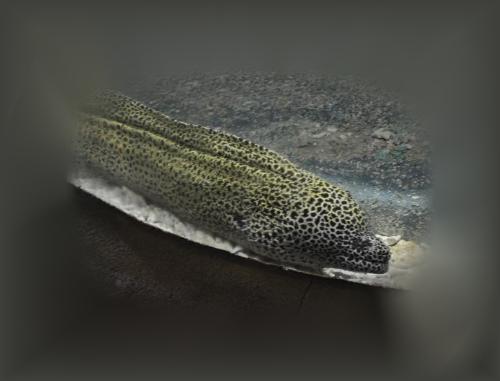
- laced moray
- eel
- dark moray
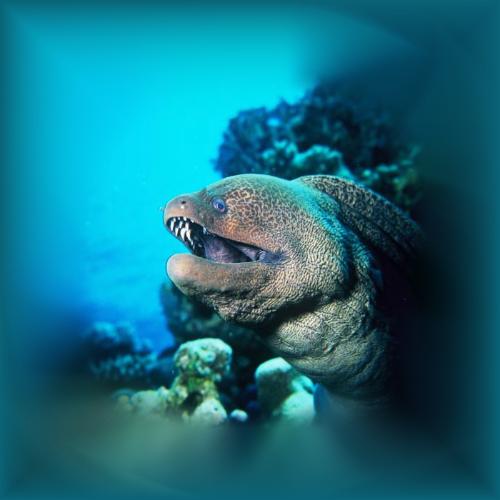
- giant moray
- congo
- freshwater moray
- greek
- sharktooth moray
Traits and their opposites
Each trait of this archetype — and what is opposite to it.
- Resilience ↔ Fragility
Find your most suitable archetypes
Archetypes are facets of personality and behaviour: sometimes a hamster, sometimes a lion. Take a test for yourself, a friend or a pet.