


















The “Orangutan” archetype
Cultural context
High in the canopies of Borneo, the Bornean orangutan sits alone among the leaves like a weathered scholar surrounded by parchment, sunlight filtering through red fur in slow-moving beams. Observers in villages nearby speak of this red-haired recluse as a keeper of deep memory, one who watches raindrops gather and fall without ever raising its voice. Its presence lingers in stories told beside hearth fires, where the animal stands for the strength that gathers quietly, the patience that outlasts storms, and the quiet refusal to scatter its days in restless motion.
Scales
In the living image of the Bornean orangutan, traditions recognise a creature drawn to solitude yet rooted in enduring rhythms, its body heavy with both strength and delicate sensitivity. Its thoughts reach inward, weighing each branch before the next reach, while its senses stay open to the shifting light on leaves and the scent of ripe fruit. It carries forward a sense of balance between raw power and the measured grace of choosing when to act, when to rest, and when to let the world turn without interference.
Core traits
Wisdom sits at the centre of the Bornean orangutan like the dense heartwood of an ironwood tree: slow to form, hard to shift, and shaped by countless seasons. It learns by watching the same path change over years, noticing how a branch bends under new weight or how a fruit ripens only after patient waiting. When trouble rises, this wisdom does not leap; it waits, measuring the moment until the right movement becomes clear, even if the waiting itself carries its own cost.
Strong traits
Curiosity pulls the Bornean orangutan toward every new scent and sound, sending it along untried routes through the canopy simply to see what waits at the far end. Inventiveness shows itself when it bends a leafy branch into a temporary roof or stacks sticks to reach a cluster of figs just out of reach. Spirituality appears in long, silent hours spent watching clouds pass, as though listening for something beyond the rustle of leaves, while endurance keeps it moving from dawn to dusk, returning to the same sleeping platform night after night.
Noticeable traits
Independence runs through the Bornean orangutan like a single thick vine that never touches another trunk, letting it travel and rest without asking for company. Calm rests on its broad shoulders even when the forest shakes with thunder, its gaze remaining steady while smaller creatures scatter. This same calm can keep it from noticing when another voice might shorten its search or ease a difficult crossing.
How to be around
The Bornean orangutan responds best when others move at its pace, speak once, and wait for the answer to form without hurry. Its attention stays with those who respect the quiet intervals between one thought and the next.
With a woman
A woman shaped by the Bornean orangutan absorbs the day’s events the way a broad leaf holds morning dew, letting each drop gather until its own weight decides the moment to fall. When she pauses before answering a difficult question, the pause itself is her way of honouring the lesson she carries from yesterday’s choices; rushing her only scatters what she has already understood. She keeps the customs of her household as carefully as the orangutan reuses the same sturdy branches for its nest each season, yet she welcomes a neighbour’s gentle offer of shared work when it arrives without demands.
With a man
A man shaped by the Bornean orangutan turns every new sight into a small experiment, testing how a knot holds or how far a pole will reach before he trusts it with his weight. He examines each plan the way he would study a termite mound, turning it over until its structure shows itself. When closeness draws near, he meets it with the same steady curiosity, offering steady presence rather than sudden declarations, and he accepts quiet admiration without needing it spoken aloud.
With a teenage boy
A teenage boy shaped by the Bornean orangutan tests the give of every branch before he trusts it, fashioning a temporary bridge from two fallen saplings when the usual path disappears. He laughs when the leaves rain down on his head, yet he straightens the makeshift crossing again until it feels right under his hands. If someone points out that one rail sits crooked, he checks the line himself and thanks the observer without argument.
With a teenage girl
A teenage girl shaped by the Bornean orangutan watches cloud shadows slide across the clearing and feels the day change its mood before anyone speaks of rain. She listens to the tremor in a friend’s voice the way the orangutan listens to the shift of leaves that warns of an approaching troop. When she offers comfort, she does it by sitting near without filling the silence, letting the other find their own centre again.
With a child
A child shaped by the Bornean orangutan stacks the same set of smooth river stones each morning, adding one new pebble only after checking that yesterday’s tower still stands. The task may stretch through the whole afternoon, yet the child returns to it with the same careful attention until the base feels steady under every touch. When the tower finally holds, the child leaves it untouched for others to see.
With an animal
An animal shaped by the Bornean orangutan chooses the highest fork that still supports its weight, then spends long minutes testing each limb before settling for the night. It shares a branch with another only when both have already claimed their separate spaces; if one moves too close, the first simply shifts a little farther along the same limb without sound or haste.
After a quarrel
The Bornean orangutan rarely raises its voice; instead its stillness grows heavier, and the air around it seems to cool by a degree. A woman withdraws her gaze when repeated questions break the thread of her morning’s reflection. A man turns his back when someone rearranges his carefully ordered tools without asking. A teenage boy stops mid-step when laughter interrupts the rhythm he has built for crossing a slippery log. A teenage girl pulls her hands into her sleeves when a careless remark brushes aside the meaning she found in a shared glance. A child sets down a half-finished tower and walks away when an adult sweeps the stones aside to hurry the game. An animal freezes on its branch when a sudden hand reaches for its food without warning.
How to befriend
The Bornean orangutan opens its circle slowly, like a vine that lengthens only after the new shoot has tested the air. Offer a steady rhythm—arrive at the same hour, leave the same tools in the same place—and trust begins to form without any spoken promise. A woman draws nearer when you help carry a load she has already chosen to bear alone. A man accepts company on a long walk if you match his stride without trying to lead. A teenage boy lets you steady one end of his makeshift bridge when you wait for his nod before touching the wood. A teenage girl shares the view from her chosen lookout if you sit without filling the quiet with talk. A child shows you the hidden cache of river stones only after you have watched the building from a respectful distance. An animal allows a shared branch when you place your own weight on a limb that does not touch its own.
Similar archetypes
Close facets: images with a similar set of qualities.
- Sumatran orangutan
- Red panda
- Tiger salamander
- Leatherback turtle
- Seal
- Platypus
- Green sea turtle
- Bottlenose dolphin
Complete opposite
The opposite facet: images whose qualities point the other way.
- Turkey
- Bed bug
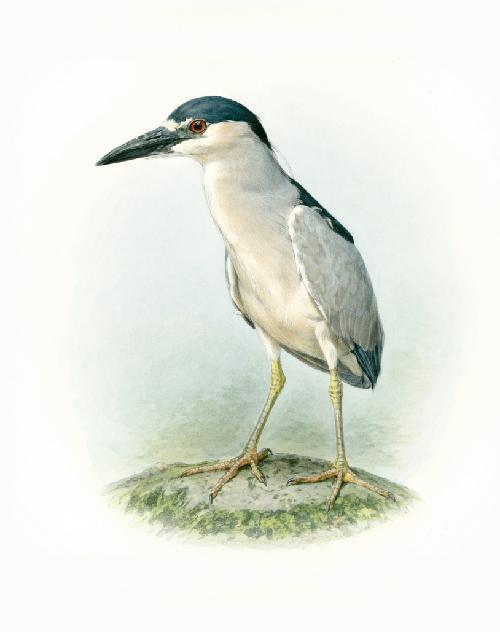
- black-crowned night heron
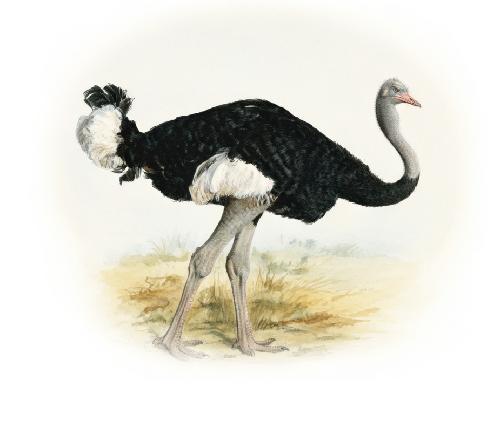
- somali ostrich
- Human Flea
- Dog Flea
- Oriental Rat Flea
- Hen Flea
- Northern Rat Flea
- chigoe flea
- Hedgehog Flea
- new zealand bat flea
- Martin Flea
- cat flea
- Ceratophyllus farreni
- Chaffinch Flea
- Rabbit Flea
- Mouse Flea
- sticktight flea
- Squirrel Flea
- Sparrow Flea
- Amalaraeus dissimilis
- Northern Flea
- Ceratophyllus chasteli
Traits and their opposites
Each trait of this archetype — and what is opposite to it.
- Spirituality ↔ Pragmatism
- Resilience ↔ Fragility
Find your most suitable archetypes
Archetypes are facets of personality and behaviour: sometimes a hamster, sometimes a lion. Take a test for yourself, a friend or a pet.