




















The “Platypus” archetype
Cultural context
Across the slow rivers and shadowed billabongs of Australia the duck-billed platypus moves like a secret folded into daylight, its fur sleek with river silt and its bill lit by the faint electric shimmer of hidden prey. Aboriginal storytellers have long watched this creature slide between water and earth without breaking stride, seeing in its path the very image of wit sharpened by solitude. Its spur, its web, its silent probing are read as signs of a mind that invents its own passage rather than asking leave of the current or the bank. Where the land dries to cracked clay the duckbill still finds its thread of moisture, turning the drought itself into another kind of map.
Scales
In these traditions the duck-billed platypus stands at the crossroads of the sacred and the solitary, a living reminder that mystery does not ask permission and that independence can feel like prayer. Its life suggests an inner horizon that stretches farther than any single season, a quiet loyalty to what endures beneath change. Strength gathers in its limbs like stored sunlight, yet it carries that power without display. A spark of rebellion flickers whenever the current or the season tries to corner it, while curiosity keeps its senses open to every new ripple and scent. Harmony is sought not in stillness but in the careful balance of dive and surfacing, of work and rest, of silence and sudden movement.
Core traits
Curiosity runs through the duck-billed platypus like the faint current it follows under the waterline, urging it toward each new scent, each trembling vibration. It learns the river’s hidden grammar in a single afternoon, yet the same hunger can scatter its attention across a dozen shallow trails. Its bill never rests long on one patch of silt; instead it sweeps onward, tasting, testing, discarding, until the next living spark draws it deeper still.
Strong traits
Duality lets the duckbill rest on sun-warmed clay one moment and vanish into dark water the next, reading both worlds without confusion. Inventiveness shows when it fashions a burrow from the very roots that threaten to trap it, turning obstacles into shelter. Independence keeps its tunnels private and its foraging solitary, a creature that trusts its own senses over any chorus of warning. Playfulness appears in the sudden rolls and quicksilver turns that scatter a school of startled fish, a brief dance before the serious work of feeding resumes.
Noticeable traits
Wateriness draws the platypus toward the liquid heart of any landscape, where it glides through shifting currents without losing direction. As a diver it slips beneath the surface and lingers among the unseen stems and stones, reading the river’s deeper grammar, yet the same habit can leave it circling too long in thought before the next practical stroke.
How to be around
To move beside a duck-billed platypus is to accept that its path will cross both dry ground and hidden water, and that it rarely announces which element it will choose next.
With a woman
A woman shaped by the duckbill keeps a private sense of the sacred in small daily gestures—an unhurried sip of tea at dawn, a single shell kept on the windowsill. When tradition calls she answers with quiet continuity rather than display, yet she will set aside her own comfort to help another finish a difficult task. Her curiosity pulls her toward new knowledge at every turn; give her a fresh question instead of a ready answer, and she will follow it until the scent fades or the light changes.
With a man
A man who carries the duckbill’s mark weighs every choice between two shores before he steps, and he will not be hurried into declaring which bank he prefers. He values the long view over quick applause, and his word, once given, stands without ornament. When something feels unjust he speaks plainly, then steps back so the matter can settle on its own weight.
With a teenage boy
A teenage boy of this temper will turn an old problem into an unexpected tool before anyone else has finished stating the difficulty. He looks for meaning in the way light moves across a wall or in the pattern of rain on a tin roof. Laughter comes easily when the moment allows, yet beneath the lightness runs a steady thread of feeling that notices when another person grows quiet.
With a teenage girl
A teenage girl with the duckbill’s strength stands alone without apology when a group pulls one way and her sense of direction points elsewhere. She trains her body as deliberately as her mind, running or swimming until both feel equally ready. She keeps her own counsel in crowded rooms, letting her endurance do the speaking when words feel unnecessary.
With a child
A child of this kind invents games from whatever lies at hand—a leaf becomes a boat, a stick a boundary—and resists being pulled into someone else’s plan once the story has begun. The same spirit can flare against an order that feels arbitrary, yet the child will still share a found treasure if the asking is gentle and the thanks sincere.
With an animal
An animal bearing the duckbill’s nature slips into any new container or corner with cautious interest, tasting the air before committing its weight. It prefers the cool slide of water on its fur to any fixed perch, and it will rest content in a simple space provided no one demands it perform.
After a quarrel
Quarrel arrives when the duck-billed platypus feels its private current blocked or its slow examination cut short. A woman may withdraw into silence if her inner measure of the sacred is brushed aside. A man grows still and unreadable when his long view is dismissed as delay. A teenage boy flares if his latest invention is laughed at before it is finished. A teenage girl turns away when her strength is treated as stubbornness. A child stiffens when play is interrupted without warning. An animal will dive and stay submerged until the pressure above the surface lifts.
How to befriend
Friendship grows when the duck-billed platypus is allowed to arrange its own order of things and when closeness is offered without demand for constant proof. A woman responds to patient presence beside her quiet rituals. A man values a companion who can wait through his long silences without filling them. A teenage boy draws nearer when someone admires the odd mechanism he has just built. A teenage girl trusts the friend who notices her endurance without asking her to explain it. A child stays close to the adult who lets the game keep its own rules. An animal settles when its chosen resting place remains undisturbed.
Similar archetypes
Close facets: images with a similar set of qualities.
- Sumatran orangutan
- Red panda
- Sea dragon
- Vampire squid
- Orangutan
- Leatherback turtle
- Bottlenose dolphin
- Anteater
Complete opposite
The opposite facet: images whose qualities point the other way.
- Bed bug
- Turkey
- Human Flea
- Dog Flea
- Oriental Rat Flea
- Hen Flea
- Northern Rat Flea
- chigoe flea
- Hedgehog Flea
- new zealand bat flea
- Martin Flea
- cat flea
- Ceratophyllus farreni
- Chaffinch Flea
- Rabbit Flea
- Mouse Flea
- sticktight flea
- Squirrel Flea
- Sparrow Flea
- Amalaraeus dissimilis
- Northern Flea
- Ceratophyllus chasteli
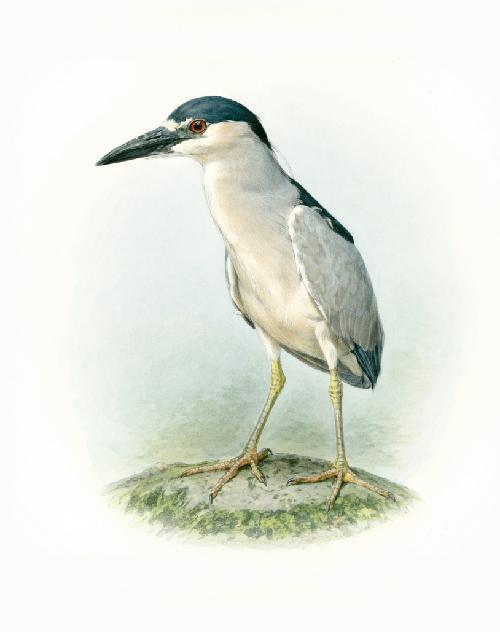
- black-crowned night heron
- Cockroach (domestic, red)
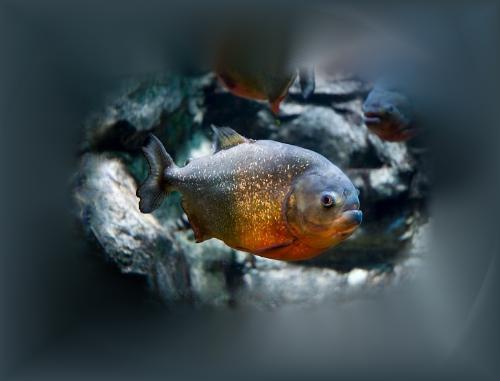
- Piranha
- common european toad
Find your most suitable archetypes
Archetypes are facets of personality and behaviour: sometimes a hamster, sometimes a lion. Take a test for yourself, a friend or a pet.