








The “European toad” archetype
Cultural context
In European folklore the toad belongs to the places people avoid after dark: wet gardens, mossy woodpiles, the floor of old forests. The common toad, Bufo bufo, was seldom loved and seldom driven off entirely. People tolerated it near the house the way one tolerates a plain, watchful neighbour, and let stories grow about its age, its secrets and its odd calm. It was treated as something that knows more than it says, a creature that comes out when the light fails and slips back into the damp without explanation. That reputation was never flattering, yet it carried respect. Whatever else a toad was, it endured, and a figure that endures and keeps its counsel gets remembered. The archetype keeps that mixed inheritance: unlovely, self-contained, a little forbidden, and quietly impossible to get rid of.
Scales
Read through its scales, the toad is a creature with no interest in being admired. Beauty means nothing to it, harmony even less; it would rather upset a tidy arrangement than fit into one. It is guarded, serious and sparing with play, a stubborn bargainer with a strong sense of what is owed to it, and little inclined to follow anyone's lead or sacrifice itself for a cause. Against that stand real assets: stamina, a body built to endure, a methodical discipline in keeping its affairs in order, and a feeling of being set apart, of touching something not quite allowed. It thinks deeply when it thinks at all, and it stays open to whatever is strange. People tend to find it cold on first meeting, then oddly hard to forget.
Strong traits
Ugliness, harmfulness and greed make up the core. The ugliness is not a flaw so much as a stance: this archetype carries darkness, disorder and the unspoken, and makes no effort to soften any of it, which is why people look away and also why it can say true things nobody else will. Harmfulness guards its personal space; it bites back when crowded, and sometimes the friction is what finally shifts something stuck, though it can sour friendships and manufacture quarrels nobody needed. Greed is foresight with a clenched fist. The toad stockpiles for lean times and defends what it has gathered, and while that carries it through bad winters, giving things away comes much harder than keeping them.
Noticeable traits
Wisdom, meanness and a night-time nature fill the middle of the portrait. The wisdom is that of an animal that learns from experience and sees what lies beneath the surface, patient in awkward situations but cautious to the point of stalling when a decision carries risk. Meanness grows out of fear: it will cheat or betray when cornered, and at its best it studies those dark impulses and comes out more honest. Night suits it. After dark, when everyone else has gone quiet, it concentrates and works well, though it can drift out of step with ordinary daytime routines and the people who keep them, and by afternoon it is plainly tired of the day.
Muted traits
Resilience is the quietest of its traits, present but modest. The toad does recover from trouble, and it turns its losses into practical know-how, but not always gracefully. The same tenacity can harden into refusing to stop, or to admit that a fight is already lost.
How to be around
Getting along with a toad means giving up on charm. It will not flatter you and does not want flattery back. What it respects is plain speech, kept promises and good timing: arrive when it is ready to talk, say what you mean, and do not take its prickliness as a verdict on you. Beneath the crust sits a patient, careful mind that rewards whoever stays.
With a woman
A woman-toad responds to terms. Tell her exactly what you are asking for and what you will give in return, then deliver down to the last detail, because she keeps a running tally of promises. An evening in a quiet kitchen with the radio off tells her more about your intentions than any gift.
With a man
A man-toad is easiest to reach through his hands and his stores. Ask to borrow his tools, admire the shelf where he keeps his jars, offer to swap something useful for one of the oddities he has hoarded over the years. Solemn talk about work or money suits him; jokes tend to land flat, and he is far too proud to ask for help himself.
With a teenage boy
Give a teenage boy-toad something that is his alone, such as a lockable drawer, a shed corner or a small allowance he controls entirely. Owning things steadies him, and from there you can ask him, lightly, to share a part of it. Lecturing about generosity will only send him under his stone.
With a teenage girl
Notice that a teenage girl-toad sees more than she lets on. Tell her what you saw her work out before anyone else did, then ask what she would do in your place. Being consulted flatters her far more than hearing she looks nice, a remark she will wave off as noise.
With a child
With a child-toad, build the dark rather than fight it: a blanket tent, a torch, a bedtime that lets him watch the garden go blue and then black. Show him the creatures that wake at dusk and let him name them. His corner should stay his own.
With an animal
An animal-toad wants damp, cover and dusk. Put a flat stone or an upturned pot in a shady corner, keep a shallow dish of water close by, and set out food after sunset. By day it sits motionless, and that stillness is rest, not illness.
After a quarrel
To quarrel with a toad or get under its skin, barge into its quiet hours, raid its stores and haul it into bright light to perform cheerfulness. Women among them never forgive a broken promise, men a joke at the expense of their order, boys someone rummaging through their things, girls being stared at or hurried, small children a night-light switched off, and the animals a shelter lifted off their heads.
How to befriend
To befriend a toad or win it over, show up with silence and a job worth doing together: mending a fence, sorting the cellar, waiting out the dusk on the back step. It watches for a long time before it decides, but once it has, its loyalty is as stubborn as its hold on its own supplies. Plain honesty works on the women, a favour to be repaid on the men, a lockable corner on the teenage boys, real questions on the girls, a dark patch of garden on the little ones, and a stone to sleep under on the animals.
Similar archetypes
Close facets: images with a similar set of qualities.
- Bed bug
- African Owl
- common european toad
- Centipede
- Cockroach (domestic, red)
- Fire ant
- milos viper
- Common Frog
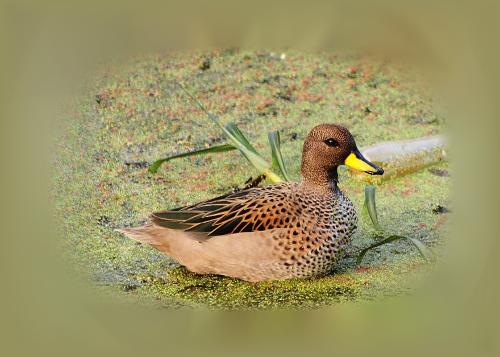
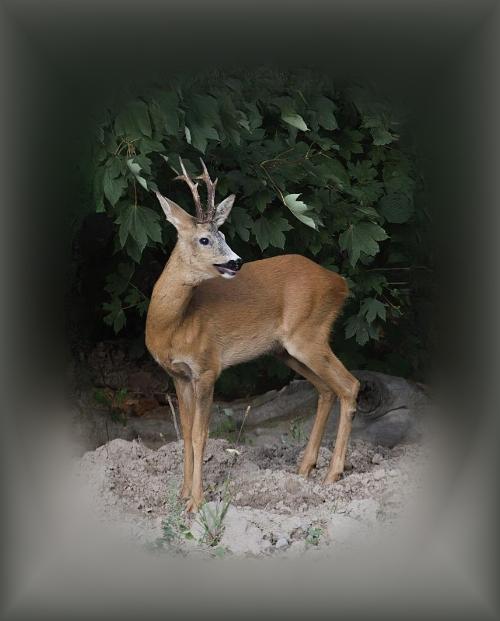
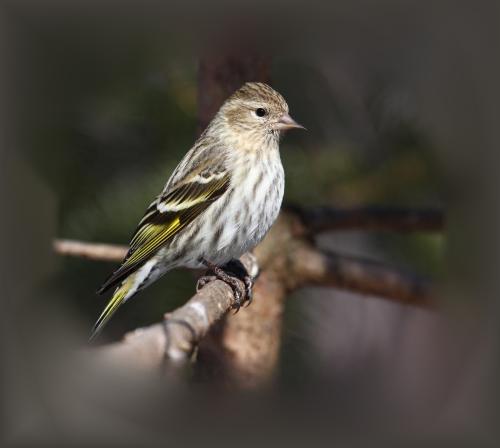
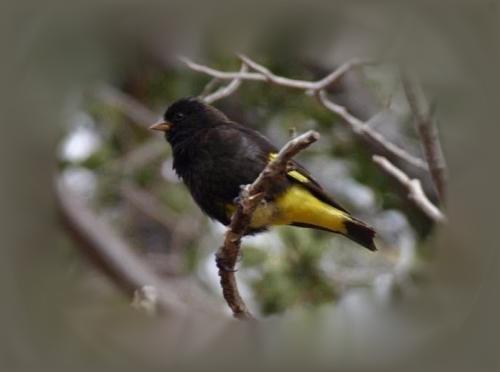
Complete opposite
The opposite facet: images whose qualities point the other way.
- wild boar
- mallard
- Japanese Firefly
- Panda
- mallard
- Fallow Deer
- eurasian bullfinch
- Roe Deer
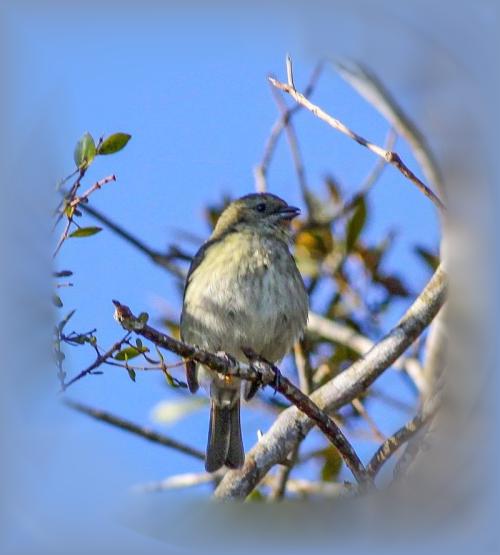
- tibetan serin
- pine siskin
- andean siskin
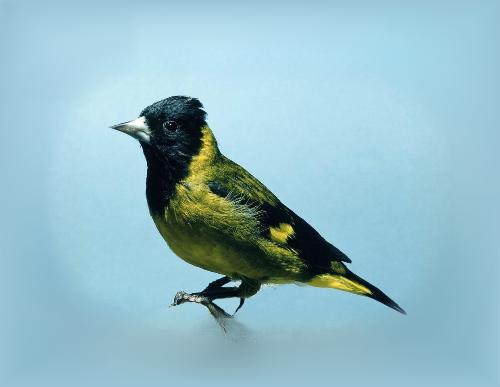
- black siskin
- eurasian siskin
- eurasian siskin
- eurasian siskin
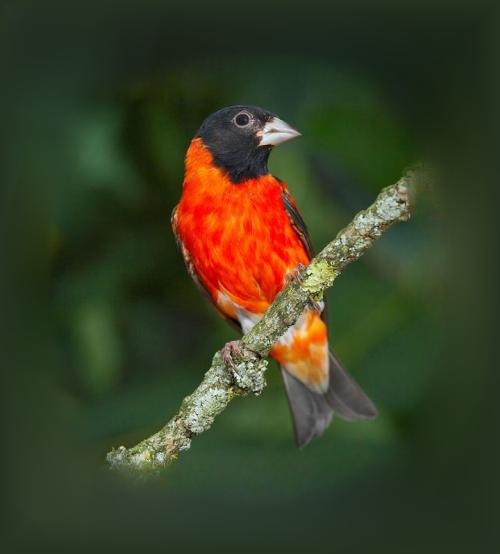
- red siskin
- saffron siskin
- red siskin
- black siskin
- black-capped siskin
- antillean siskin
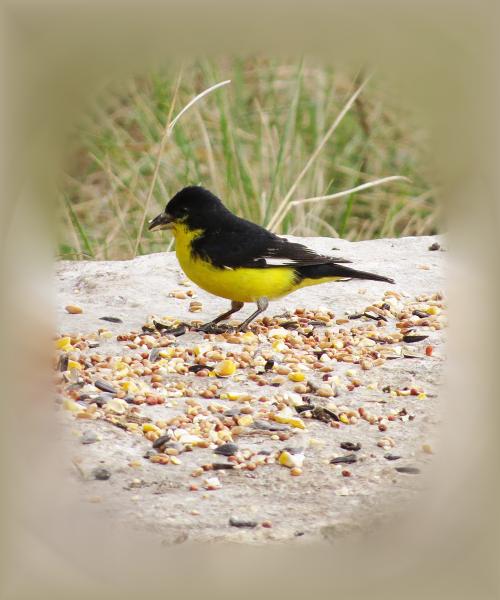
- american goldfinch
- black-headed siskin
- eurasian siskin
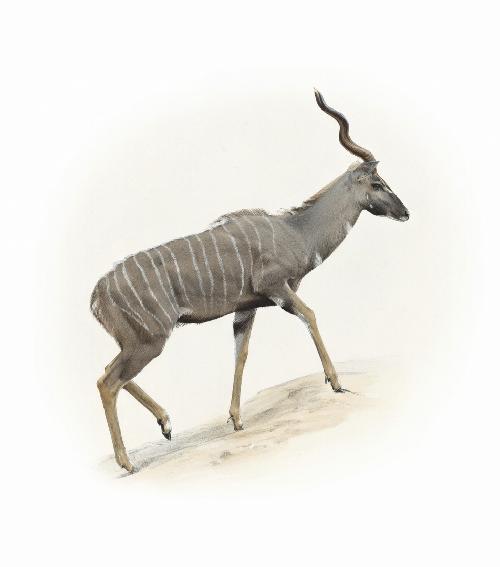
- Lesser Kudu
- american bighorn
Traits and their opposites
Each trait of this archetype — and what is opposite to it.
- Harmfulness ↔ Benevolence
- Nocturnal Essence ↔ Diurnal Essence
Find your most suitable archetypes
Archetypes are facets of personality and behaviour: sometimes a hamster, sometimes a lion. Take a test for yourself, a friend or a pet.