








The “Crane” archetype
Cultural context
In Japan the crane is a bird of long life, good fortune and marital fidelity, found on calendars and amulets; folklore says that anyone who folds a thousand paper cranes may have a wish granted. Chinese tradition links it with harmony and persistence, and often draws it beside the pine and the tortoise, two other emblems of a long life. European heraldry made the crane a badge of vigilance, honesty and wisdom. In Korea it is treated as a spiritual creature that brings luck and drives off malign forces. The pairing recurs across continents: the crane is dignified, patient and hard to rattle, a creature people borrow when they want to speak about steady values. Four traditions, one picture: a tall, composed bird that sees far and keeps its promises.
Scales
Beauty and order matter to the crane more than it likes to admit: it notices the crooked line, the clashing colour, the room that has lost its balance. It also thinks deeply, turns questions over and looks for meaning beneath the surface. Tradition earns its respect, and so does loyalty to old customs, yet the crane stays curious about what it has not tried, and new experience gets absorbed rather than feared. Under all this runs plenty of physical stamina, which makes it sturdy in hard seasons and ready to spend itself for the people it loves. Grace is only the visible part; the rest is endurance.
Core traits
Endurance and vigilance form the core of the crane. It walks toward a long goal without hurry, outlasts crises that scatter others, and weighs every decision twice, which is why it can look overcautious and sometimes lets a good moment for change slip by. The watchfulness cuts both ways. A sharp eye spots trouble long before anyone else does, yet the lookout rarely stands down, so even in a safe house the crane may stay tense, and switching off is harder for it than waiting out a long winter.
Strong traits
Honesty, wisdom, courage, loyalty, beauty and purity make up the crane's portrait. It says what it sees, plainly and without padding, and sometimes the plainness lands like a slap. Wisdom lets it read what lies under a situation, though it can ponder so long that the chance passes. Courage puts it between danger and the ones it loves, and now and then into a rash step it never weighed. Loyalty makes it a dependable friend in bad years, one who may forget its own needs or cling to a past that is gone. Its good looks and graceful manners lift the mood of a room, but the crane can lean on that image and wince at criticism. Purity keeps its thinking clear and its hands out of intrigue, which also leaves it naive, easy to manipulate and quick to be disappointed in people.
Noticeable traits
Fussiness is the crane's weaker pole. It loves to pass ideas around, keep in touch with half a dozen circles and answer every message, and that busy energy makes it a lively presence in any group. Trouble starts when too many threads are pulled at once: plans multiply, small errands crowd out the important one, and the crane ends up dashing about without finishing the thing that mattered.
How to be around
How should you behave around a crane? Think of someone who studies a pond before stepping in. Cranes dislike surprises and clutter, and they trust people who stay calm, speak honestly and do not crowd the doorway. What works after that depends on who is standing in front of you: a woman, a man, a teenager, a child or an animal.
With a woman
Tell the woman-crane out loud what you value in her bluntness; honesty is what she is proudest of, and hearing it named settles her more than any compliment about looks. Notice, too, how many errands she has taken on. When she is dashing between them, ask which one she would save if only one could survive the week, and offer to carry a second off her list. Then share ten minutes of tea and nothing else, because an orderly conversation is the nearest she gets to rest.
With a man
A man-crane likes to step forward first, so once he has chosen, leave the decision alone and keep a first-aid kit handy for afterwards. His courage tends to spend itself on others: he will carry the heavy box, take the night shift, defend the friend. Be the one who notices, brings him a meal, takes half the load and makes no speech about it. If you must disagree, do so before he commits, in one clear sentence, because after that he will not turn back.
With a teenage boy
A teenage boy-crane wants to stand on his own legs, so offer real choices: the route home, the weekend project, the order of the chores. When he pushes against a group that moves as one, read it as backbone rather than rudeness. Then hand him a job nobody has done before, such as building a shelf or planning a trip, and let him find that his judgment holds. He goes quiet when unsure, and a task with a visible result reaches him better than a lecture.
With a teenage girl
Do not cast a teenage girl-crane as the pretty one or the model pupil; the label sits badly on her. She notices beauty in small things: a line of poetry, window light at dusk, a well-arranged shelf. Ask what she sees there, and take her answer seriously. Cynical remarks about her friends or about what is dear to her wound deeply, so keep your jokes away from that. Offer a sketchbook, a quiet corner or a walk to a place with a view, and praise her taste rather than her appearance.
With a child
A child-crane learns through play, so join the game instead of supervising it. Watch how carefully the little one lines up pebbles by size, then ask what the rows mean. Bring new things to touch and name: a feather, a strange fruit, an old map. Questions delight a child-crane more than answers do. At bedtime tell a story of a crane that flew a long way home and never lost its path, so that being steady feels like an adventure rather than a duty.
With an animal
For an animal-crane, arrange the space before anything else: a spot with a wide view and a clear line to the exit, where it can keep watch without straining. Let it walk, stretch and cover ground through the day, since its vitality has to go somewhere. Slow your own movements near it, announce yourself in a low voice, and keep feeding hours steady. A creature that knows where the dangers are not will finally lower its head and rest.
After a quarrel
To quarrel with a crane or get under its skin, upset its sense of order and cast doubt on its loyalty. The woman-crane bristles when accused of being fickle or insincere. The man-crane takes it as an insult when his word is waved off as bluster, especially in front of people he protects. Teenage boy-cranes are infuriated by pressure to follow the crowd and by being told his own plan is childish. Teenage girl-cranes stiffen when someone mocks what she finds beautiful or treats her feelings as theatre. A child-crane falls apart when its things are shuffled and its routines scrapped overnight. An animal-crane, finally, is rattled by a stranger in its resting spot or a door that bangs just as it settles to keep watch. In every case the injury is the same: the feeling that the world has stopped being tidy and trustworthy.
How to befriend
To befriend a crane or win it over, earn its trust through plain speech and a calm mind. A woman-crane warms to someone who values her candour and shares an unhurried walk. A man-crane remembers the person who stood beside him on a hard day and asked for nothing. The teenage boy-crane lights up when a grown-up treats his idea as worth testing. The teenage girl-crane opens to a friend who keeps her secrets and admires the things she makes. A child-crane takes to anyone who plays fair and keeps promises, however small. An animal-crane comes closest to a person who is predictably there, quiet at feeding time, and leaves the watch to it. Over the seasons the bond turns into the crane's kind of love: faithful, undemonstrative, lasting.
Similar archetypes
Close facets: images with a similar set of qualities.
- Heron
- marbled newt
- southern marbled newt
- Macedonian Crested Newt
- Anatolian Crested Newt
- iberian firefly
- Oriole
- Nightingale
Complete opposite
The opposite facet: images whose qualities point the other way.
- Bed bug
- Cockroach (domestic, red)
- common european toad
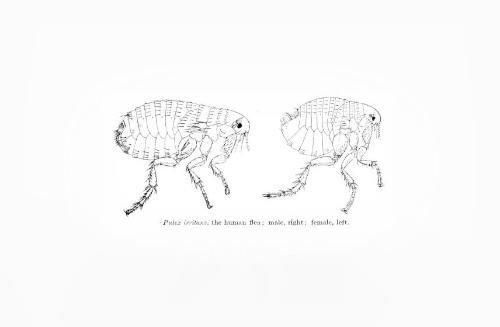
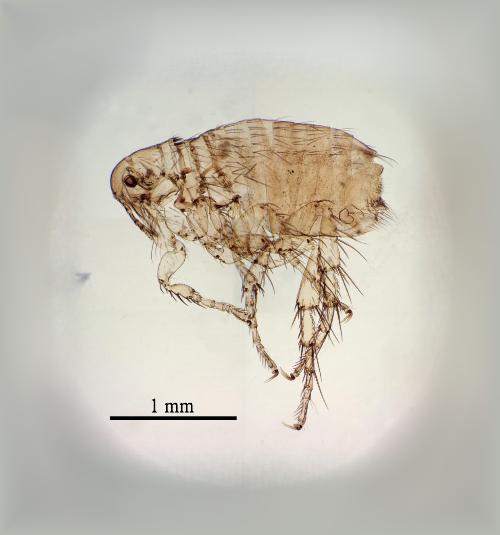
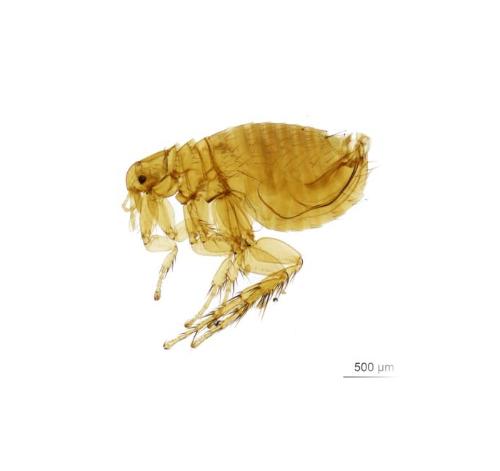
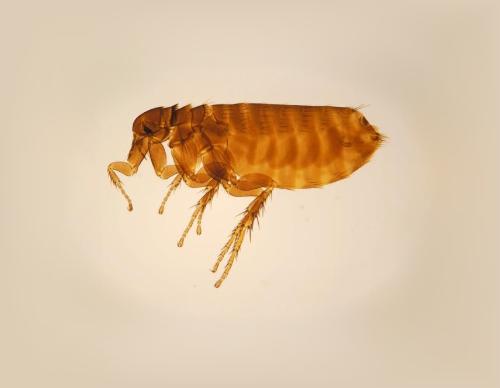
- Human Flea
- Dog Flea
- Oriental Rat Flea
- Hen Flea
- Northern Rat Flea
- chigoe flea
- Hedgehog Flea
- new zealand bat flea
- Martin Flea
- cat flea
- Ceratophyllus farreni
- Chaffinch Flea
- Rabbit Flea
- Mouse Flea
- sticktight flea
- Squirrel Flea
- Sparrow Flea
- Amalaraeus dissimilis
- Northern Flea
- Ceratophyllus chasteli
Traits and their opposites
Each trait of this archetype — and what is opposite to it.
- Resilience ↔ Fragility
Find your most suitable archetypes
Archetypes are facets of personality and behaviour: sometimes a hamster, sometimes a lion. Take a test for yourself, a friend or a pet.