










The “European Cormorant” archetype
Cultural context
In European tradition the cormorant is the bird people love to resent. It slides under the water, comes up with a fish already half swallowed, and dives again before anyone has had a share. Anyone watching a flock work a river can see in it a picture of insatiability, and its dark, hunched silhouette on a post does nothing to soften that. The image carries over to people: someone who grabs whatever is left unguarded, rarely hands anything round, and keeps turning up where the pickings are good. Annoyance is the common reaction, grudging respect the rarer one, since the bird does not stop at obstacles when it spots a chance to profit. A cormorant person is persistent, hungry and not especially sentimental about it.
Scales
Read through its stronger and weaker poles, the cormorant is shrewd to the point of slyness and feels entitled to what it catches. Its first loyalty is to itself, and it bristles at anything that looks like an obligation to others. Agreeableness is low: arguments come easily, giving way does not. Yet there is real stamina here, a body built for effort, and a taste for things that last, so what it wins it intends to keep. It seldom follows anyone's lead and is no joiner, preferring to fish its own stretch of water. Conformity sits poorly with it, and being told what to do sits worse.
Strong traits
Greed, voracity and spite make up the cormorant's engine. The greed is foresight in a hard coat: it stashes things away against lean times and guards them well, though the hoard can swell past reason and generosity gets starved. Voracity is the appetite to grow, a huge vital energy that takes in everything on offer and has no sense of when to stop. Spite is the sharpest edge of the three. It defends personal space and shakes up a stale arrangement, but it also pushes people away and starts quarrels nobody needed. Steered well, that same sting becomes honest criticism, a useful skill if it ever learns to aim it. Left alone, it becomes a habit of picking at neighbours.
Noticeable traits
The diver in this character is real, if not dominant. A cormorant will plunge into a tangled subject and surface with a small hidden detail that everyone else swam past, which makes it excellent at seeing the heart of a problem. The price is time. It can linger on the bottom of an analysis while the moment for acting goes by, and it sometimes overlooks shallow things that matter more than they look.
How to be around
Dealing with a cormorant goes best when you accept that hoarding and grabbing are how it is wired. Talk about what it stands to gain rather than what it owes, keep your own possessions out of reach, and pull it up from the depths with a concrete question when a decision is due. Bluntness suits it better than tact.
With a woman
A woman-cormorant likes to be asked where she thinks the richest water is. Bring her a problem about resources, budgets or supplies and let her answer in full; she has a nose for the advantageous deal and enjoys being credited with it. Disagree by offering a better trade, not a lecture, and put the numbers on the table. Checking her work every hour will make her close the door, while a plain thank-you for a clever find will get you a second one.
With a man
A man-cormorant before something important wants a brief word of confidence, then quiet. Tell him he has the edge here and step away, because he reads hovering as doubt and will quietly resent the fuss. Do not fill the pause with advice. Afterwards, when the catch is in, praise it specifically and ask how he did it. Whether you understand his method matters less than showing you noticed the result, and a nod across the room will do.
With a teenage boy
A teenage boy-cormorant should be let off the leash to find his own pickings, whether that is a part-time job, a swap deal or a collection. Hand him one small real task with a clear edge so he has something to be responsible for. If he asks for your opinion, answer in one sentence and leave the rest to him, since his mistakes teach him more than your lectures.
With a teenage girl
A teenage girl-cormorant has usually worked out half a dozen clever angles before you speak. Name one of them aloud and say it was well played. Skip the demand for everything at once; ask for a single piece, and add the next when she is ready. Help that she can accept without feeling steered is the kind she will actually take.
With a child
A child-cormorant answers to concrete rewards. A sticker chart, a coveted trinket or an earned privilege moves him further than any speech about sharing, and a bargain where both sides get something beats an order. Start with a chore he can finish in ten minutes, pay him for it promptly, then raise the stakes. Let him choose which treasure he saves up for, and let him keep a jar of his own coins.
With an animal
An animal-cormorant needs water deep enough to dive in, or at least a wide basin, plus a perch to dry its wings afterwards. Feed it by tossing fish, which lets it do what it does best, and say its name warmly when it surfaces with a catch. A stocked pond buys you far more peace than any attempt at training it out of hunting.
After a quarrel
To quarrel with a cormorant or get under its skin, watch its every move, empty its larder and wave away its stubbornness. A woman-cormorant flares when someone audits her plans, a man when his day is stacked with extra chores. The teenage boy bristles at being tied down, the teenage girl at being handed a whole list, and the child at orders. An animal-cormorant turns vicious if its fishing is cut short or its catch is taken from the beak.
How to befriend
To befriend a cormorant or win it over, admit that its greed has its uses and never mock a hoard. Trade fairly, repay what you owe, and be there with a shared task when it needs an ally. With a woman, praise her sharp eye for a bargain; with a man, stand next to him at the decisive moment. Give a teenage boy his own patch to work, a teenage girl a quiet hint, a child a small prize, and an animal a clear pool and plenty of fish.
Similar archetypes
Close facets: images with a similar set of qualities.
Complete opposite
The opposite facet: images whose qualities point the other way.
- wild boar
- mallard
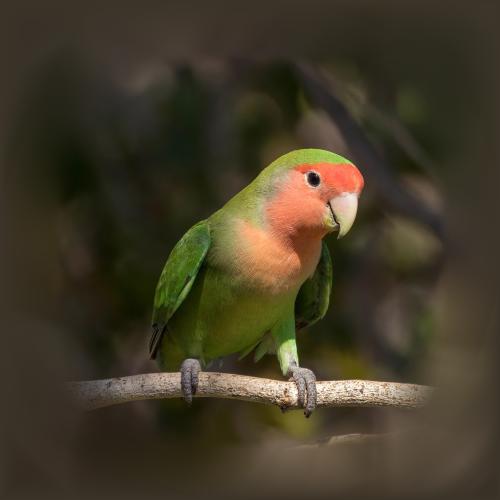
- fischer's lovebird
- rosy-faced lovebird
- black-winged lovebird
- yellow-collared lovebird
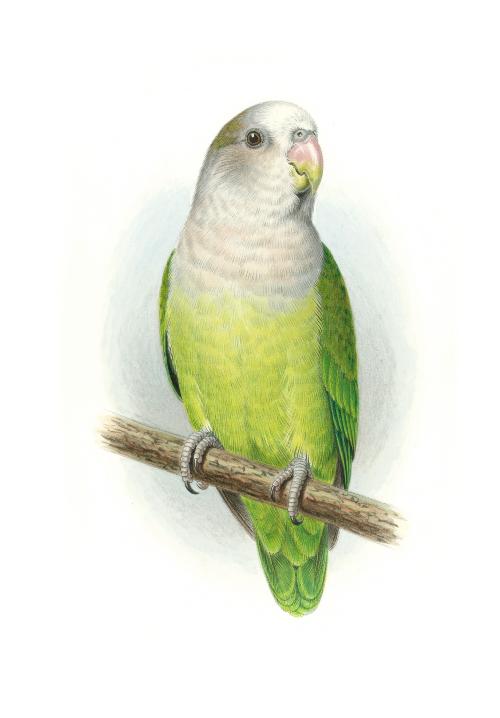
- grey-headed lovebird
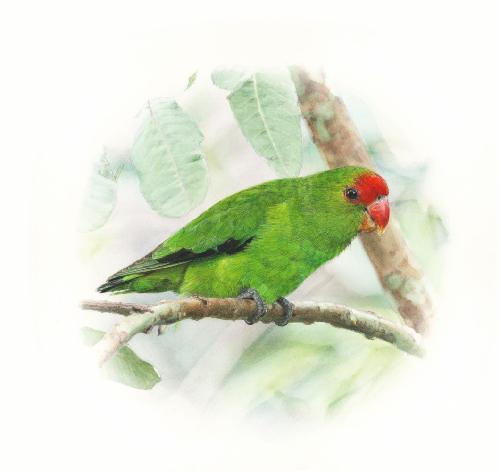
- red-headed lovebird
- black-collared lovebird
- rosy-faced lovebird
- black-cheeked lovebird
- nyasa lovebird
- Duck
- Japanese Firefly
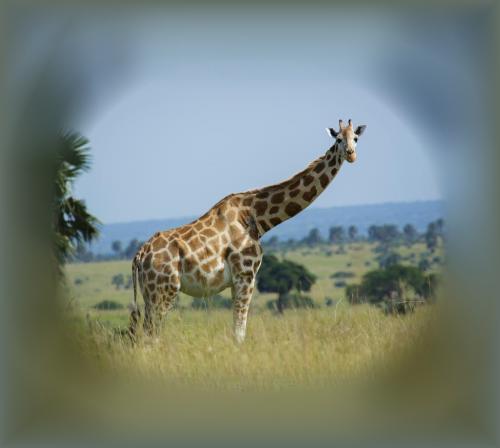
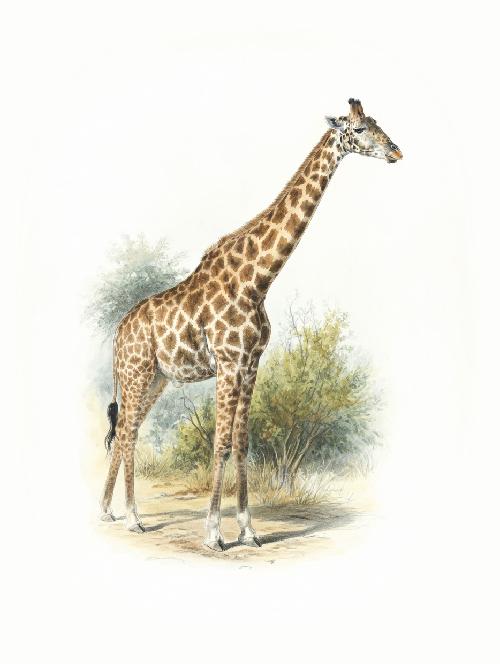
- giraffe
- rhodesian giraffe
- Angolan Giraffe
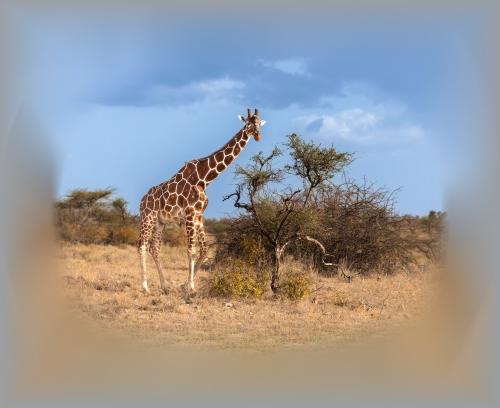
- Reticulated Giraffe
- Reticulated Giraffe
- Southern Giraffe
- Angolan Giraffe
- giraffe
- Panda
- american bighorn
- Sheep
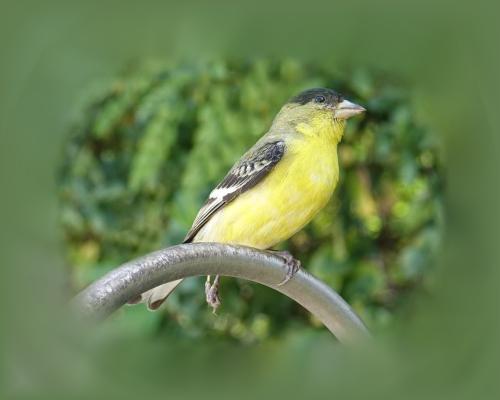
- eurasian siskin
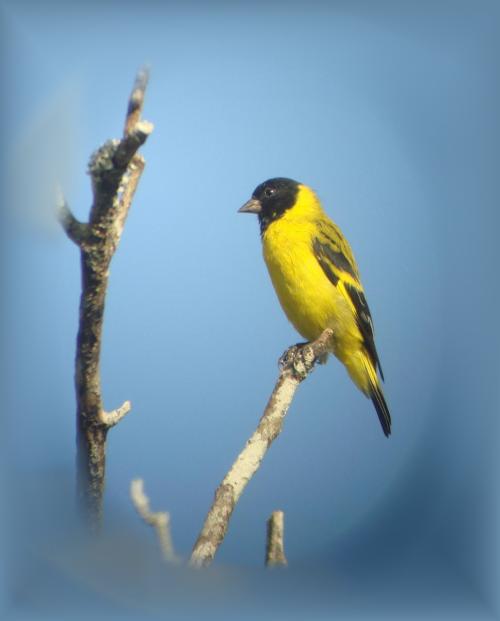
- Black-headed Siskin
- olivaceous siskin
- eurasian siskin
- eurasian siskin
Traits and their opposites
Each trait of this archetype — and what is opposite to it.
- Harmfulness ↔ Benevolence
Find your most suitable archetypes
Archetypes are facets of personality and behaviour: sometimes a hamster, sometimes a lion. Take a test for yourself, a friend or a pet.