









The “Cattle (Cow/Bull)” archetype
Cultural context
Hardly any animals are as woven into human life as cattle. Across Africa, herds are wealth and lineage at once, and cows link the living with their ancestors. Greeks and Romans led the bull to the altar as their costliest offering. Egyptians pictured motherhood as the sky-cow Hathor, while in India the cow is sacred because she feeds the household and asks for nothing in return. Celtic epic builds an entire war around a quarrel between two owners over their bulls, and Norse myth has the cow Audhumla nursing the first giant on her milk. Heraldry hands the bull to families who want to be seen as steadfast and patient, and in Russian tradition a cow in the yard, the family's feeder, meant a house that would not fall.
Scales
Across these traditions cattle carry a sense of the long haul. Their rhythm follows the seasons, and the sacred sits in them without ceremony, the way a stone sits in a field wall. Status is never grabbed; it settles on whoever the village leans on, and the animal wears it as easily as a yoke. Beauty here is earthy: a glossy flank, warm milk in the pail, a furrow cut straight across a wet field. Its honesty is plain and unadorned, resting on a sense of fairness rather than on cunning. The mind works slowly and without ornament, but thoroughly, and loyalty to custom makes cattle the keepers of whatever a family has always done and means to hand on to its children. Strength of body is simply taken for granted, never boasted about.
Core traits
Spirituality and abundance sit at the centre of this character. Some bulls and cows feel the mood of a barn before anyone speaks and bring calm to places that have gone tense, finding meaning in the most ordinary chores. Abundance, for its part, shows in how freely such an animal gives away milk, warmth and strength. The danger is drifting into lofty thoughts while the winter hay goes unstocked, and a generosity so wide that the giver ends up empty, having quietly poured out more than even the broadest back can carry.
Strong traits
Dominance here never needs a raised voice. Let the animal plant itself in a gateway and the whole yard arranges itself around it, though other opinions can feel crowded. Fertility hands out energy and opens new openings, until it turns out too many things were taken on at once. Hardiness gets it up after any hard winter, and the same stubborn endurance can keep it going past the point where stopping would be wiser. Serenity keeps the head clear, even if from outside it reads as coolness. Gratitude is glad of a dry stall and fresh grass, and the protective streak puts horns between the herd and any threat, along with a suspicion of strangers.
Noticeable traits
Generosity and kindness pull toward giving away the last of everything, while courage steps forward when the herd is in trouble, though risks are not always weighed with care. Work is steady, patient and unhurried, but rest can be forgotten entirely. Pride, quietly dignified, refuses help until things are truly hard, and gentleness smooths over any quarrel, sometimes at the cost of firmness. Honesty cuts straight through with its bluntness, leaving a sting nobody asked for. Anger gathers in silence, slowly and then breaks out when nobody expects it. Stubbornness digs in its hooves, wisdom counsels caution and lets chances pass, and laziness takes any excuse to lie down in the warm sun after a heavy meal.
Muted traits
Foolishness appears only now and then, a fog in the head that sends the bull charging at the wrong side of a gate. Slowness stretches every job out, yet it notices the small things hurried creatures run past. Cowardice shows as a reflex to back away from noise even when nothing threatens, and it also keeps this animal out of needless danger.
Faint traits
Friendliness is barely audible in this character. Cattle do not rush to make acquaintances, they cannot stand fawning, and they rarely look for anyone's approval. Warmth arrives later, once the animal has decided that you belong.
How to be around
Handling this animal comes down to a few habits. Speak briefly and to the point, with no long preamble, and make it clear you mean to stay. Praise what has been done, not what has been promised; this nature hears empty words quickly and remembers deeds far longer.
With a woman
Bring a woman-cow practical help: lend a shoulder with the chores, ask what still needs finishing. Since she is used to giving, offer to take over one task so that her day has room for a real break, and remind her, gently and with a cup of something hot in your hand, that she is owed some care herself, too.
With a man
Tell a man-bull that everything rests on him, then show right away what you can carry for him. He likes clarity. Argue only after the job is finished, never halfway through it, and leave him time to turn a decision over before he answers.
With a teenage boy
A teenage boy-bull feels his strength but has no idea where to put it, so find him honest work: mending a fence, hauling timber, building something that will still stand next month. He needs effort and a result he can see. Speak about rudeness quietly and in private.
With a teenage girl
A teenage girl-cow who takes on too much should be offered a way to split the load: let her name what she will keep and what goes to others. Say aloud what she quietly got done, because she will never ask for recognition.
With a child
A child-calf wants to go at its own pace. Show how a thing is done, then wait until the child tries it alone. Little ones like this look for a long time before they leap, and noise makes them anxious, so meet them with a calm voice.
With an animal
An animal-bull wants the same feeding order, the same place, and familiar hands. Approach slowly from the front and talk under your breath. If it has planted its feet, skip the tug on the rope and simply stand beside it.
After a quarrel
To quarrel with a bull or get under its skin, mock its slowness and hurry it for no reason. A woman-cow is hurt most by belittling what she has raised and made, a man-bull by having his decision challenged halfway through the job. A teenage boy-bull blows up when his plans are called silly, a teenage girl-cow when one more duty is dumped on her, a child-calf when a favourite game is taken away, and an animal-bull when someone barges suddenly into its pen.
How to befriend
To befriend a bull or win it over, turn up again and again and stay even-tempered. A woman-cow thaws under constant, dependable involvement, a man-bull when he is respected for his endurance, and a teenage boy-bull when he is trusted with real work. A teenage girl-cow needs someone to notice her weariness, a child-calf needs warm patience, and an animal-bull needs your scent, your familiar voice and a crust of bread from your palm.
Similar archetypes
Close facets: images with a similar set of qualities.
- Egyptian Scarab
- Caffer Scarab
- Jalof dung beetle
- Despised dung beetle
- Deceptive Scarab
- Viettei Scarab
- Black bronze dung beetle
- wild cat
Complete opposite
The opposite facet: images whose qualities point the other way.
- Bed bug
- African Owl
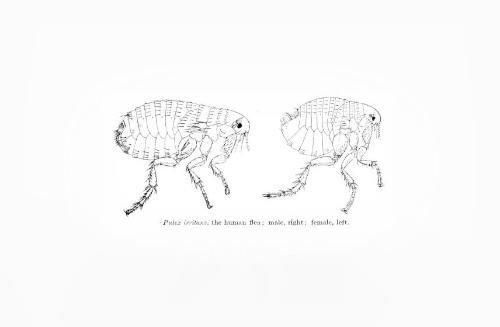
- Human Flea
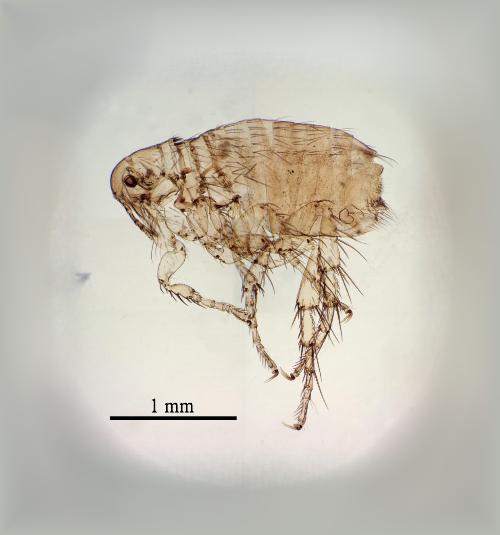
- Dog Flea
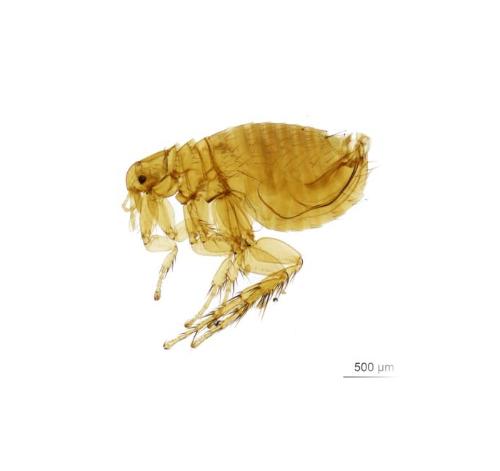
- Oriental Rat Flea
- Hen Flea
- Northern Rat Flea
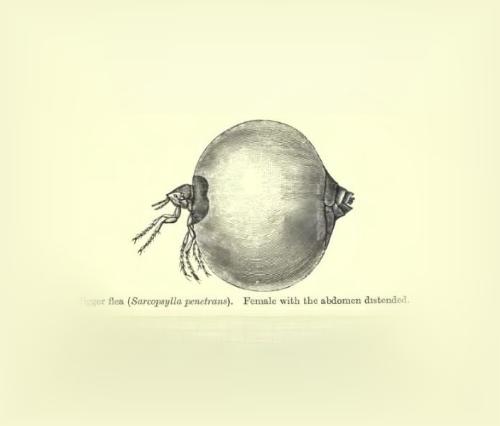
- chigoe flea
- Hedgehog Flea
- new zealand bat flea
- Martin Flea
- cat flea
- Ceratophyllus farreni
- Chaffinch Flea
- Rabbit Flea
- Mouse Flea
- sticktight flea
- Squirrel Flea
- Sparrow Flea
- Amalaraeus dissimilis
- Northern Flea
- Ceratophyllus chasteli
Traits and their opposites
Each trait of this archetype — and what is opposite to it.
- Spirituality ↔ Pragmatism
Find your most suitable archetypes
Archetypes are facets of personality and behaviour: sometimes a hamster, sometimes a lion. Take a test for yourself, a friend or a pet.