



















The “Tree Frog” archetype
Cultural context
In Asian tradition the European tree frog lives on a border: between water and earth, between birth and ending. Its small body carries symbols of fertility and of death at once, and its quiet voice after rain is heard as an invitation to think about life's cycles. This is not an animal of grand ambitions. It teaches by example that endings make room for beginnings, that mortality gives each moment its weight, and that the best harmony is the one you do not have to force. Gardeners and anglers in some regions treat it as a friendly sign, and for anyone who wants to live in step with nature it stands as a patient, unhurried model of stillness.
Scales
Two poles stand out in the tree frog: a feeling for what is sacred and untouchable, and a gaze turned toward the long and the lasting. Around them gather a strong pull toward closeness and partnership, a hunger for meaning, real stamina, a sharp and analytical mind, and curiosity about the unknown. Its body is capable rather than showy, its feelings are delicate, and it is gently willing to cooperate. Yet it bristles at group pressure and keeps its own path, a mix of independence and a quiet refusal to follow the crowd. Order and routine come less easily; it will help when asked, though it rarely sacrifices itself for others, and it likes to look at things from every side before it believes them. Thoughtfulness can turn into brooding, and the wish to hold on to everything eternal makes it slow to let go.
Core traits
Death is the core of this animal, and it is both its gift and its flaw. A tree frog senses when a chapter has run its course and can close it cleanly, which spares everyone a long, painful drag toward the inevitable. But the same instinct sometimes shuts a door that could still have been kept ajar. A friendship that has gone cold, a project that has hit a rough patch: it may decide the story is over before the story agrees. Learning to tell a natural ending from a hasty retreat is the work of its life.
Strong traits
Fertility and fluidity make up the second wave of its character. The tree frog is generous with ideas, energy and attention, and new ventures seem to sprout wherever it sits. The trouble is that it takes on too much at once and quietly drains its own pond. Like water it slips around obstacles and finds a detour where others see a wall, yet that same softness makes firm decisions hard. It changes course easily, and results that need a straight line may never arrive. Friends admire how easily it adapts, and wish it would pick one pond and stay there long enough for something to grow.
Noticeable traits
Wisdom is the third and calmest strand. The tree frog watches, remembers its mistakes, and has the patience to wait until a situation shows its true shape. People bring it their questions because it rarely answers carelessly, and its advice usually grows from things it has actually lived through. The price is caution: it weighs and re-weighs, avoids risk, and can miss the very moment when a leap was needed. Its patience is a strength until it turns into delay.
How to be around
How should you act around a tree frog? Slowly. It asks you to accept its rhythm, to leave its silences alone, and to learn the moments when the best contribution is simply to sit nearby and watch the water with it.
With a woman
A woman-tree frog opens up when you hand her the first word on something that matters and then truly wait. Ask what she feels, not what she has decided, and quietly tune yourself to her unhurried pace; she will reach a conclusion on her own if nobody tugs at her sleeve. Invite her to sit with you somewhere near water, offer tea, and let the conversation arrive when it is ready, whether that takes ten minutes or an evening.
With a man
A man-tree frog is quiet because he thinks, not because he is indifferent. Acknowledge that as a way of working, and put questions to him in a form that can be answered later, in a note or on a walk. Praise the thoroughness behind his choices and the fact that he finished what he started, rather than the cleverness of any single remark.
With a teenage boy
A teenage boy-tree frog feels everything on the inside. Stand beside him when something is hard, but skip the interrogation, and save big decisions for after a stretch of quiet. Offer him a task that rewards endurance and tinkering, such as a hike, a bike repair or a long build, where his patience shows and nobody needs him to explain himself.
With a teenage girl
A teenage girl-tree frog is tender and notices every shift in the mood of a room. Treat her feelings with care, don't check her every step, and never laugh at her private fascinations. Tell her about your own doubts at her age; hearing that you were once unsure and afraid of mistakes shows her that sensitivity is nothing to hide.
With a child
A child-tree frog is a born watcher, so ask what he sees in a puddle, on a leaf, in the clouds. Don't brush off his odd questions about where beetles go and why things end. Answer simply and truthfully, without frightening tales, and stay within reach when he goes silent and withdrawn, because that is when he most needs to know you are close.
With an animal
An animal-tree frog settles into a home slowly. Let it choose its own sheltered corner with damp moss and clean water, and keep feeding and care to one steady routine. Skip the reproach about last week's escape if it is again perched at the edge of the dish: that is how it thinks, and your commentary only sends it back under the leaves.
After a quarrel
To pick a fight with a tree frog, or simply get under its skin, hurry it. Demand an instant verdict, push for a clear yes or no, and it goes quiet and slides out of reach, leaving you to argue with an empty leaf. A woman bristles when she is cut off mid-sentence; a man, when he is rushed into a choice he has not finished weighing; a teenage boy, when his weak spots are discussed in front of others; a teenage girl, when her feelings are mocked; a child, when his questions are called silly; and the animal, when it is suddenly grabbed and pulled out of its hiding place before it chose to leave.
How to befriend
To make a friend of one, or win its heart, arrive without hurry and learn to be silent together for an hour at a time, the way two stones share a sunny bank. A woman treasures small rituals such as tea at sunset; a man prefers a shared job with few words; a teenage boy is drawn to the person who never asks "what's wrong with you"; a teenage girl, to someone who keeps her secrets safe; a child, to the grown-up who will watch raindrops slide down a window beside him; and the animal, to steady habits, clean water and gentle hands that move slowly.
Similar archetypes
Close facets: images with a similar set of qualities.
- wild cat
- Stork
- c. a. hircus
- East Asian Deer
- Salamander (fire)
- Vampire squid
- Opossum
- Cattle (Cow/Bull)
Complete opposite
The opposite facet: images whose qualities point the other way.
- Turkey
- Bed bug
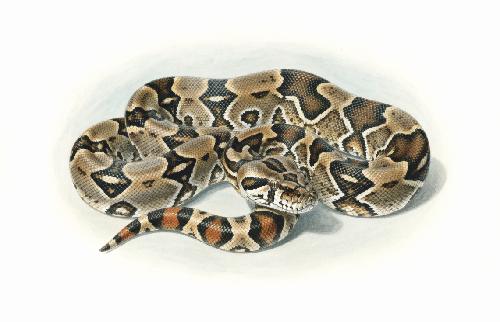
- Boa
- Human Flea
- Dog Flea
- Oriental Rat Flea
- Hen Flea
- Northern Rat Flea
- chigoe flea
- Hedgehog Flea
- new zealand bat flea
- Martin Flea
- cat flea
- Ceratophyllus farreni
- Chaffinch Flea
- Rabbit Flea
- Mouse Flea
- sticktight flea
- Squirrel Flea
- Sparrow Flea
- Amalaraeus dissimilis
- Northern Flea
- Ceratophyllus chasteli
- wild boar
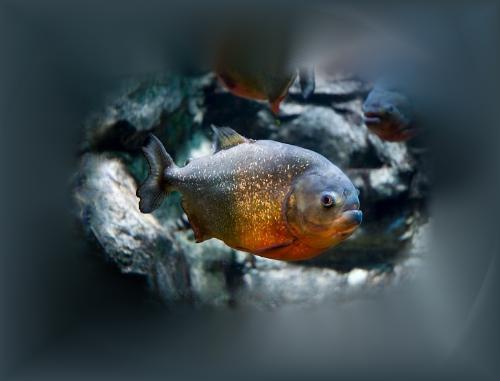
- Piranha
Find your most suitable archetypes
Archetypes are facets of personality and behaviour: sometimes a hamster, sometimes a lion. Take a test for yourself, a friend or a pet.