






















The “Macaque” archetype
Cultural context
In Chinese tradition the macaque is the clever one, the animal that always seems to find a way out. Its adaptability is admired: put it in changing conditions and it improvises, bending rather than breaking, usually with a little cunning and a lot of agility. It turns up on household objects and in poetry as a sign of good luck and ingenuity. People also credit it with loyalty and an easy friendliness, though the picture is not entirely flattering. The macaque's grabbiness gets noticed too, and some read it as a hunger for wealth and for putting things by. Admiration and a raised eyebrow sit side by side, which is probably why the creature feels so human: resourceful, sociable, quick to make friends, and never quite able to resist a good bargain or a full pantry.
Scales
Measured against the usual scales, the macaque turns out to be a thinker that never stops playing. Its mind likes to take things apart, and it is drawn to anything new, yet it keeps a firm grip on custom and what was handed down. Humour and lightness come naturally, and so does a search for meaning that gives the fun some depth. In company it comes alive: outgoing, bold with strangers, full of stamina, with a sturdy, athletic body to match its restlessness. A rebellious streak makes it resist the pull of the crowd, and it likes to stand on its own feet and keep its affairs in order. Under the bustle lies real empathy, a fine sensitivity to the mood of whoever is nearby.
Strong traits
Wisdom, cunning and playfulness make up the macaque's strongest hand. The wisdom is the patient kind, learned from experience: it watches, remembers what worked, and sees the point of a situation while others are still arguing about details. Cunning supplies the strategy. The macaque reads a room, spots the trap, and finds a side door where everyone else sees a wall. Playfulness keeps all of this from turning grim, because a macaque finds joy in small things and can defuse a tense afternoon with one well-timed joke. The weak spots sit right beside the strengths: caution can make it slow to commit, cleverness can slide into manipulation, and fun can crowd out long, serious obligations.
Noticeable traits
Loyalty and speed work as a pair in the macaque. It stands by its own people through hard times, sometimes forgetting what it needs itself, and it decides fast, occasionally too fast. Kindness is real and generous, and forgiveness comes easily, so others can take advantage. Curiosity keeps pulling it toward the next thing, which is why projects get abandoned half-finished, while fussiness keeps its hands busy and its group buzzing with ideas and chaos. Greed shows as a habit of hoarding against lean times, and bluntness lets it say exactly what it thinks, whether or not the listener enjoys hearing it. The macaque honestly does not notice the offence it causes.
How to be around
Dealing with a macaque goes best when you fall in with its tempo and feed its curiosity one idea at a time, because a pile of options sends it bouncing in every direction. Let it make its own choices, then ask how they turned out, so responsibility stays where it belongs. Praise its resourcefulness out loud and keep the play going.
With a woman
A woman-macaque is at her best when someone leans on her judgement, so bring her the tangled problem and ask what she would do. Then step away for an hour and let her turn it over in peace. Skip long lists of rules, since she will read each one as a puzzle with a gap in it. Name the goal and leave the route to her; she enjoys finding the clever shortcut.
With a man
With a man-macaque, hold your objections until the job is done; in the middle of the action he hears a debate as a delay. Invite him instead into something joint, such as a project, a game or a trip to plan, where his quickness and cunning have room to work. Say plainly, once, where the line runs, and he will usually respect it.
With a teenage boy
A teenage boy-macaque takes his independence seriously, so treat his choices as real ones. When he picks a plan you would not, let him run it; the outcome will teach more than any lecture. Keep the rules few and explain each in a sentence, and praise the bold experiment even when it only half works. He is testing where his own limits are, and he wants an ally rather than a warden.
With a teenage girl
A teenage girl-macaque is quick, playful and sharp-eyed, and often a little greedy for the best seat, the last biscuit or the newest gadget. Mocking that will only sour her mood. Hold out two options and let her choose; she will respect the flexibility. Ask for her opinion before you announce yours, and if she has been scheming for the last biscuit, admire the plan before you decline it.
With a child
A child-macaque flits from one activity to the next and cannot always stop alone. Sit down beside the little one, hold the thread of the game, and help bring it to an end. Name what got done: you built the whole tower. Mistakes can stay the child's own teachers.
With an animal
An animal-macaque wants things to take apart and puzzles to solve, so hide treats in boxes, hang ropes, and change the toys often, because boredom is what turns this animal destructive. If the creature is overwrought or furious, sit nearby, talk low, and wait out the storm rather than shutting it in a room alone.
After a quarrel
To quarrel with a macaque or get under its skin, laugh at its games and take away its chance to show off. A woman-macaque bristles when you keep rationing her curiosity and her little stockpiles. A man-macaque boils when decisions are made over his head. Teen boys of this kind erupt when a choice is overruled without a word of explanation, and teen girls when you talk down to their cleverness. A child-macaque falls apart if you demand everything at once. An animal-macaque sulks when it is denied both play and company.
How to befriend
To befriend a macaque or win it over, take real interest in its schemes, admire the cunning, and notice the kindness underneath; the warmth is there, and it is quick to answer warmth. A woman-macaque warms to a shared undertaking where she picks her own share. A man-macaque likes simply being asked along. Adolescents warm to whoever trusts their decisions: the boy to the one who lets him run his plan, the girl to the one who hears her opinion out to the end. A child-macaque glows when you point out what it has achieved. An animal-macaque, finally, decides you are safe if you keep turning up, calm and close, whether it is raging or delighted.
Similar archetypes
Close facets: images with a similar set of qualities.
- Japanese Eel
- Porpoise / Dolphin
- Arctic fox
- Common Brown Lemur
- glow-worm
- Reindeer
- Fur seal
- European robin
Complete opposite
The opposite facet: images whose qualities point the other way.
- wild boar
- somali ostrich
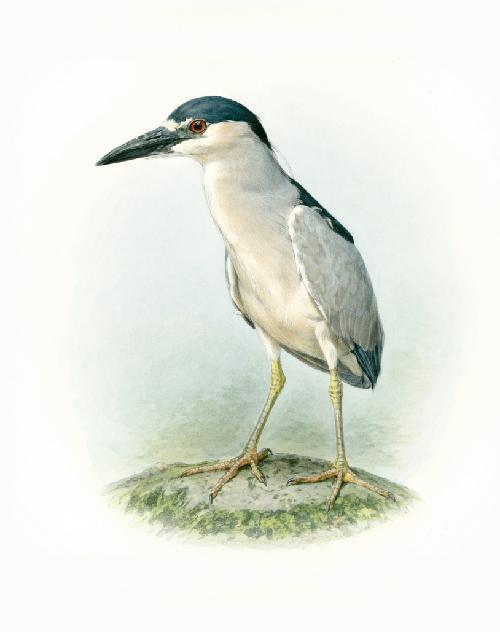
- black-crowned night heron
- Black widow spider
- Cockroach (domestic, red)
- common european toad
- Bed bug
- Human Flea
- Dog Flea
- Oriental Rat Flea
- Hen Flea
- Northern Rat Flea
- chigoe flea
- Hedgehog Flea
- new zealand bat flea
- Martin Flea
- cat flea
- Ceratophyllus farreni
- Chaffinch Flea
- Rabbit Flea
- Mouse Flea
- sticktight flea
- Squirrel Flea
- Sparrow Flea
- Amalaraeus dissimilis
- Northern Flea
- Ceratophyllus chasteli
- Turkey
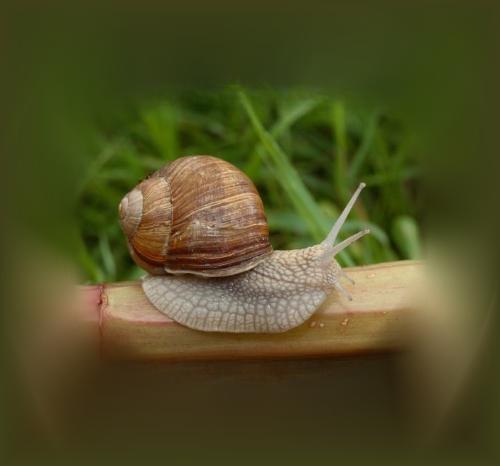
- Snail
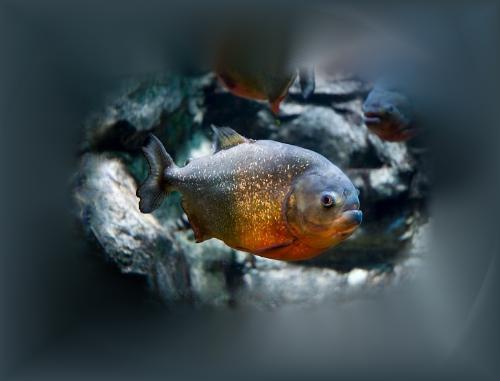
- Piranha
Find your most suitable archetypes
Archetypes are facets of personality and behaviour: sometimes a hamster, sometimes a lion. Take a test for yourself, a friend or a pet.