









The “pygmy hippopotamus” archetype
Cultural context
In African lore the pygmy hippo is a small animal with a large reputation. It lives in forest streams and swamps, where it slips quietly between water and undergrowth, and stories tend to treat it as a keeper of hidden pools and a guardian of its own patch of ground. Storytellers remember that its calm surface can break without warning, and they speak of it with the caution owed to something that does not bluff. It stays a solitary figure, wary of strangers and quick to defend what it holds, which makes sense in a world where food and safety are never guaranteed. Those who have earned its confidence, the tales suggest, meet a creature capable of fierce loyalty and even tenderness, but only after patience and a clear respect for its wild nature.
Scales
Seen through its qualities, this animal is a creature that wants to be noticed and acknowledged. It seeks standing and stakes out a visible claim to its place, not out of vanity but because rank brings food, space and safety. Friendliness is not its first language: it leans toward stubbornness and quarrels, and its sense of harmony often gives way to a taste for upheaval. Yet it is hardy and physically strong, full of stamina, and it draws energy from company rather than losing it. It looks at life in a practical, serious way, with little patience for play or lofty ideals, and it feels no great duty to inherited custom. It tends to follow a trusted leader and to look after itself first.
Core traits
Aggression sits at the very centre of this character. Used well, it works like a shield: it keeps boundaries intact and makes sure nobody mistakes calm for weakness. Left unchecked, though, it turns on its owner, driving off allies and starting fights that nobody needed. The force is real, and what matters is the hand that steers it. A pygmy hippo that learns to choose its battles can be formidable, while one that fights everything ends up alone.
Strong traits
Dominance makes the pygmy hippo step to the front and arrange things to its liking, often without much interest in what the group thinks. Anger gives it a powerful lever for change, though it frequently burns bridges that took years to build. Protectiveness makes it a dependable guardian of loved ones, but it can slide into watchfulness so close that those under its wing feel supervised. Meanness is the darker thread: born of fear and shaky self-esteem, it can push the animal toward deceit or betrayal, and eats away at trust. The hopeful side is that such impulses can teach it honesty, if it is willing to look at them.
Noticeable traits
Its sense of territory is strong. The pygmy hippo knows exactly where its space begins and ends, patrols the edges with care, and treats unfamiliar faces with suspicion, which keeps order at home but breeds friction with neighbours. Destructiveness shows up as a readiness to tear down whatever has grown stale so that something new can take its place. It is a real strength, and also a danger: when rage runs without a brake, what remains is only an empty clearing, and the regret that follows it.
The two traits feed each other. Guarding a boundary can slip into smashing the fence, and a clearing made in anger is rarely a place where anyone wants to stay. Neighbours learn to read the signs: a lowered head, a sudden stillness, a heavy breath. At its best, this animal knows which walls deserve defending and which deserve to fall, and it chooses the moment instead of letting the moment choose it.
How to be around
Handling a pygmy hippo is mostly a matter of reading its mood early. Pick your arguments with care, because its temper arrives all at once and rarely asks permission. Show that you stand with it when something precious is at stake, and be honest when its protection starts to feel like a leash. Say so calmly and plainly, and you will be heard more often than you might expect.
With a woman
Around any woman-pygmy hippo, let her set the terms of every plan that affects her home or her people, and then follow through on exactly what you promised. She notices small lapses fast. Ask what she needs when she is shielding someone, and offer a concrete task: you carry the bags, you make the call. Admit mistakes quickly and without excuses; she respects that more than apologies dressed up as explanations.
With a man
A man-pygmy hippo wants to be consulted before decisions are made, not after. Bring him a problem and a rough solution, then let him improve on it, so the idea becomes partly his. Tell him a story of a time you handled a crisis badly and recovered; it shows him you are an ally rather than someone competing for his position. Keep praise short and specific.
With a teenage boy
A teenage boy-pygmy hippo is testing how far his strength and his rules extend. Give him a territory of his own, such as a room or a corner of the garage, and knock before entering. Offer something physical where his force has a purpose: boxing, climbing, hauling wood. Talk afterward, over food, when his temper has cooled.
With a teenage girl
A teenage girl-pygmy hippo detects phoniness at once, so trust her read on people and ask which friends she wants around. Invite her to plan something big with you, a trip or a party, and let her own the part she cares about. Praise what she does, not how she looks.
With a child
A child-pygmy hippo needs something to call its own: a box, a shelf, a chair by the window. Explain in advance what happens if another child wants a turn. When a tantrum comes, offer a loud, safe outlet like stomping in boots.
With an animal
With an animal-pygmy hippo, keep its feeding place, bath and bed where they always were, and approach from the side instead of head-on. If it snorts and lowers its head, slow down, back off a few steps and let it see the exit. Change the layout gradually, one object at a time.
After a quarrel
To quarrel with this animal or get under its skin, step over a line it considers its own, and do it in front of an audience. The woman-pygmy hippo will boil if her decisions are picked apart behind her back, and a man will flare when someone questions his right to decide. A teenage boy gets furious when lectured about how to live, while a teenage girl will never forgive mockery of the people she loves. A child will explode if a favourite possession is taken away, and an animal will bare its teeth the moment a stranger wanders into its corner. In every case the trigger is the same: a sense that someone has walked into its territory without asking, and that nobody is going to stop them. Once that sense takes hold, an apology offered late rarely helps, and what follows is usually a scene everyone remembers.
How to befriend
To befriend a pygmy hippo or win it over, show that your back can be trusted. For a woman-pygmy hippo, prove it on a hard day with something done, not promised. A man appreciates being told his experience counts. A teenage boy responds to being treated like an equal, with a grown-up conversation, and a teenage girl warms to joint projects where her word has weight. A child learns to manage fury through games, such as pretend battles with rules, and an animal gets used to you if you turn up at the same hour with the same quiet routine.
Similar archetypes
Close facets: images with a similar set of qualities.
Complete opposite
The opposite facet: images whose qualities point the other way.
- Koala
- Sloth
- Sheep
- Panda
- wild boar
- fischer's lovebird
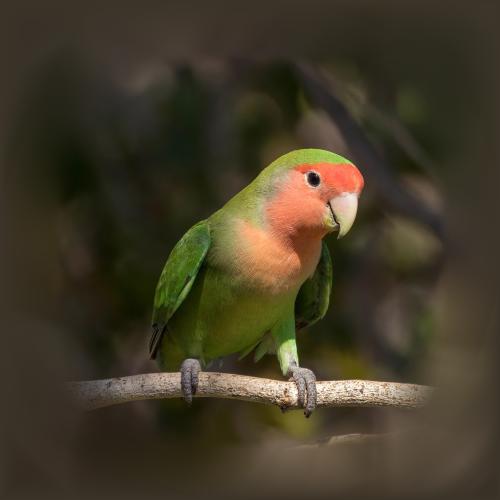
- rosy-faced lovebird
- black-winged lovebird
- yellow-collared lovebird
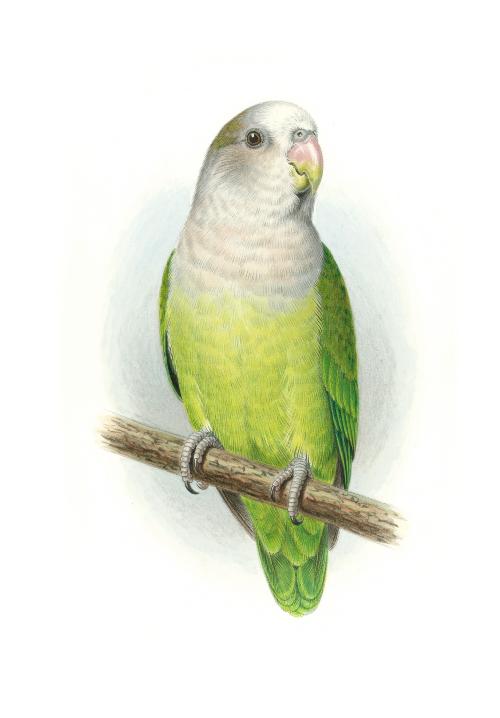
- grey-headed lovebird
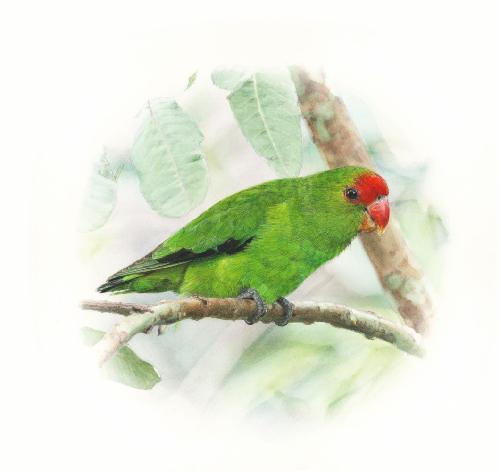
- red-headed lovebird
- black-collared lovebird
- rosy-faced lovebird
- black-cheeked lovebird
- nyasa lovebird
- tibetan serin
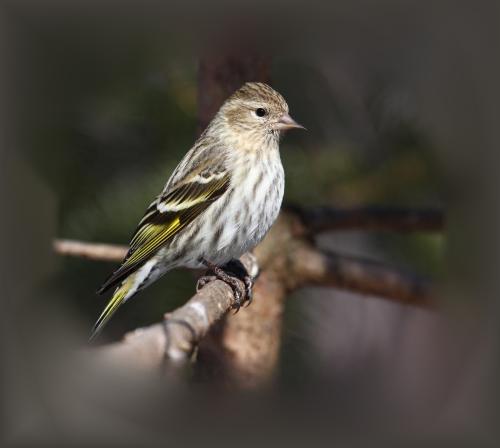
- pine siskin
- andean siskin
- black siskin
- eurasian siskin
- eurasian siskin
- eurasian siskin
- red siskin
- saffron siskin
- red siskin
- black siskin
- black-capped siskin
- antillean siskin
- american goldfinch
- black-headed siskin
Find your most suitable archetypes
Archetypes are facets of personality and behaviour: sometimes a hamster, sometimes a lion. Take a test for yourself, a friend or a pet.