








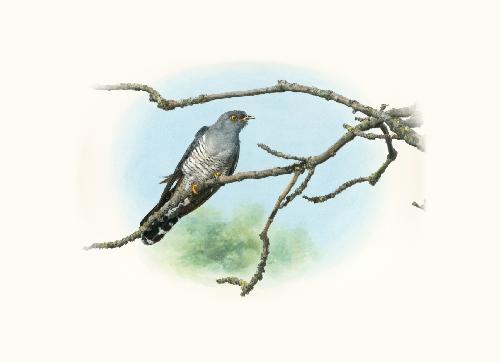





The “american bighorn” archetype
Cultural context
In the old pastoral view, the bighorn is a creature of ordinary routines: it climbs the same slopes at dawn, grazes shoulder to shoulder with the flock, and beds down where its parents did. Nothing about the tradition is grand. People saw gentleness, fruitfulness and a stubborn attachment to the familiar, and they admired the great curled horns less as weapons than as a crown worn by an animal that mostly wants to be left to its grass. Its charm lay in what it did not do: it did not scheme, did not wander off for glory, and did not ask the herd to be anything but the herd. When trouble came, the flock decided, and the bighorn simply went along.
Scales
Seen through the poles of its nature, the bighorn reads as soft, honest and modest. Tolerance and a readiness to cooperate come easily to it, and so does a plain sense of fairness; it would sooner share a ledge than fight for it. There is a streak of reverence too, a feeling that some places and moments are set apart, along with a quiet search for meaning in weather, stones and the long light on the ridge. Feeling runs close to the surface, and so does play: lambs and grown animals alike butt heads for fun and bound about for no reason. Courtship matters to it, and so does the pairing instinct. Against that warmth stand some cooler traits. Its judgments stay shallow, drawn from what it can see and smell rather than from abstract thought. It is reserved among strangers, happier in the familiar circle than in a crowd. It keeps a little stubbornness in reserve against group pressure, stays loyal to inherited custom, and will spend its own effort on another when asked. Order and diligence are not its gifts; it drifts, a bit carefree, through chores. Endurance, however, it has in plenty, and a mild curiosity about the new keeps it from stagnating completely.
Strong traits
Gentleness and purity form the core of the bighorn. The first soothes quarrels almost by presence alone: the animal reads moods quickly, lowers the temperature of a tense gathering, and makes cooperation feel like the natural thing. The second keeps its thoughts and deeds clear of intrigue, so trust gathers around it without effort. The price is plain enough. A soft creature struggles to hold its ground or make a hard decision, and a pure one is easy prey for anyone with a smooth tongue. It believes, it is let down, and it believes again, often within the same afternoon.
Noticeable traits
Fertility, generosity, friendliness and cowardice make up the middle layer. The bighorn hands out energy and ideas freely, starts a dozen things at once, and gives away time and goods until little is left for itself. Friendliness opens doors for it, though it also steers around open conflict and leans on the approval of others, so many of its ties stay pleasantly shallow. Then comes caution, a strong instinct for self-preservation that shows even when no wolf is near. It spares the animal needless risk, but when a moment calls for resolve, the bighorn tends to back away and let somebody else step forward.
Muted traits
Folly and idleness show up only as background shading. The bighorn's thoughts sometimes wander in fog, and instinct then decides what reasoning should, yet it learns from its blunders and now and then sets off surprising changes. Its laziness is a real talent for rest and recovery, which slides into dodging duties whenever nobody bothers to tell honest rest from procrastination.
How to be around
How do you get along with a bighorn? Begin by lowering your voice and your expectations of speed. This is an animal that loves comfort, a familiar circle and a decision made by someone else, so offer clear, small steps instead of sweeping plans. Praise effort when you see it. Watch for the moment it takes on too much for others, and steer it back to rest. Change goes down best when it arrives wrapped in something known.
With a woman
A woman-bighorn rarely asks for change, so slip the new thing into a habit she already has: a fresh path to the usual spring, a different tea at the usual hour. If she hesitates over an idea, let it rest and bring it up a week later, lightly, as if for the first time. And say aloud that you notice her loyalty; the small efforts she thinks nobody sees are the ones she waits to have named.
With a man
Before a man-bighorn starts something new, cheer him on; his first enthusiasm is easily snuffed by a raised eyebrow. He likes feedback short and concrete, such as "the fence holds" rather than a speech. When the project turns hard, stay within reach and ask what he needs, then do only that, so the job remains his.
With a teenage boy
A teenage boy-bighorn will try the steep ledge just to see whether it holds. Catch him mid-climb, not to scold but to point his nerve at a safer cliff: a bike trail, a climbing wall, a dare with rules. Then let him vanish for an hour with no itinerary, even if your stomach complains.
With a teenage girl
Let a teenage girl-bighorn try on moods, friends and plans as if they were coats, and ask about them with real curiosity rather than a checklist. Skip the daily interrogation. When she shares a feeling you don't follow, say "tell me more" instead of fixing it, and she will keep coming back to talk.
With a child
Stay close when a bighorn child meets somewhere new, because wariness holds him at the doorway. Crouch to his height, name what you both see, and wait until he steps in on his own. If he is studying something, hold your questions and your arguments until he has finished looking.
With an animal
An animal-bighorn wants its feeding place, its path and its hours kept where they were. Clear a corner that stays quiet and put the food there every time. When it picks a better patch of grass than yours, concede, and move the trough: it will trust you for noticing.
After a quarrel
To quarrel with a bighorn, break up its settled order. A man-bighorn digs in when his decisions are questioned in the middle of the action. A woman-bighorn sours as new duties keep landing on her with nothing taken off. A teenage boy hates being steered by the elbow; a teen girl, having every choice second-guessed aloud. A child shuts down when careful looking is mocked as slowness. An animal-bighorn is thrown by a moved feeder, a loud visitor in its corner, and the loss of its quiet.
How to befriend
To befriend a bighorn, make yourself part of the furniture it already trusts. A man-bighorn warms to a shared chore and a nod when it is done right. A woman-bighorn melts when someone notices her reliability and hands her a reason to rest. A teenage boy needs a spot where his odd interests earn no judgment, a teen girl needs a listener who does not interrupt. A child opens up over a shared snack and a slow walk, and an animal over steady visits, a low voice and no sudden hands: the fewer lines you cross, the sooner it lets you stand beside it.
Similar archetypes
Close facets: images with a similar set of qualities.
Complete opposite
The opposite facet: images whose qualities point the other way.
- Barracuda
- Siberian Weasel
- Bull shark
- Shark
- beech marten
- Hornet
- Black midge
- Thick-tailed midge
- New Zealand midge
- Yoshimatsu's midge
- Dorsal midge
- Serres' midge
- Eared seal
- Rhinoceros
- Stream mosquito
- southern house mosquito
- western encephalitis mosquito
- Common banded mosquito
- Salt marsh mosquito
- Paddy field mosquito
- Florida SLE mosquito
- Australian mosquito
- Culex pullus mosquito
- northern house mosquito
- European Cuckoo
- amur tiger
- Human Flea
- Dog Flea
- Oriental Rat Flea
- Hen Flea
Find your most suitable archetypes
Archetypes are facets of personality and behaviour: sometimes a hamster, sometimes a lion. Take a test for yourself, a friend or a pet.