









The “Piranha” archetype
Cultural context
Across South America the piranha carries a double reputation. In calm water it can seem gentle, even kind, a fish that minds its own business and shares its river without fuss. But provoke it, frighten it, or catch it hungry, and greed and meanness surface at once, turning the same animal into a merciless hunter who knows no pity. That is why people fear it and respect it in the same breath. Old river talk treats the piranha as more than a wrecker: when it feels safe, it is capable of generous acts, and the tradition remembers this alongside the teeth. A creature like this teaches a hard lesson about water and people alike. Whether you meet the kind face or the cruel one depends on how secure the creature feels, and on whether you arrive with respect or with a threat.
Scales
Read through its scales, the red piranha comes across as cunning and self-serving, a creature that bends the rules whenever the rules get in its way. It looks after itself first, quarrels readily, digs in its heels, and has little use for modesty or for giving way. It rarely rebels, preferring to follow the shoal rather than strike out alone. Its mind stays on the ground: food, territory, what can be held, with no patience for lofty ideas or airy talk about meaning. There is not much play in it, and its gravity can unsettle anyone expecting a smile. Feelings are shown sparingly, and the manner is hard, reserved, and closed, so that even its warmer moments arrive wrapped in caution. Mood-wise it prefers a plain deal to a plain hug, and it will weigh a stranger long before nodding to them.
Core traits
Meanness and greed sit at the very centre of this archetype, and everything else in the portrait is arranged around them. Meanness grows out of fear, and fear whispers that cheating or betraying is the quickest road to advantage. The price is a shaky opinion of oneself and trust that crumbles on both sides, since nobody relaxes near someone who might sell them out, yet the same dark impulses can teach, and a piranha that studies its own worst moments can grow more honest. Greed is the urge to stockpile and guard what might be needed when times turn lean. Foresight is its good side. Its bad side is hoarding past all reason, until giving anything away feels like losing a limb. A piranha rarely sees this as vice; it sees only the sensible habit of keeping the larder full.
How to be around
Dealing with a piranha starts with accepting, honestly, that two creatures share one body, and which one steps forward depends on how safe the water feels. Never try to catch it out or treat it as a mark; it will notice, and it will remember every time. Be clear, be predictable, and keep your word down to the small print. Hold your own boundaries steadily but without threats, and let it come closer at its own speed. Trust here is earned in coins, not speeches. When you must refuse something, say so plainly and early, and avoid sugary phrases that hide the no. When it snaps, wait for the moment to pass instead of arguing with a hungry mouth, and return to the subject once the water has stilled.
With a woman
With a woman-piranha, put the deal on the table before she has to ask. Say what you want, what she gains, and what it will cost you, and she will relax once the arithmetic is visible. She watches every exchange for hidden loss, so spare her surprises and vague promises. Thank her out loud, briefly, for something specific she did. Never remark on how much she keeps in reserve; that is private territory, and a careless joke there can wake the sharp side of her.
With a man
With a man-piranha, find out what he is afraid of losing, then show him how to protect it. He answers to plain terms: numbers, dates, who pays for what. Skip the emotional appeals, which will bounce off his reserve, and bring him a well-drawn plan instead. In a dispute, lay out facts calmly and wait; his stubbornness meets stubbornness with more of the same, but yields to a clear case. A handshake kept to the letter does more than an hour of warm talk.
With a teenage boy
With a teenage boy-piranha, reckon with the stash under his bed. He hoards snacks, cash, and gear because he fears running short, and mockery only sends him deeper into hiding. Offer him a paid chore with a fixed price, and pay on the dot. Then enquire about his savings goal and treat the answer as a serious plan. Once he sees that sharing does not leave him emptied out, he may surprise you with a handful of generosity.
With a teenage girl
With a teenage girl-piranha, notice how stubbornly serious she is, and do not tease her about it. She files away every jab and returns it later with interest. Tell her when she has been right, and say so in front of others; that costs you little and buys more goodwill than a lecture. In an argument, let her have the final word on small matters, and keep your real objection for the one that counts.
With a child
With a child-piranha, count your promises carefully, because a broken one is learned for life. If the little one clutches a toy and will not share, trade fairly instead of prying it loose. Praise every moment of giving that comes unprompted, however small, and say what the gift did for the other person. In time generosity starts to feel like a treat rather than a tax, and the grip loosens by itself.
With an animal
With an animal-piranha, feed at set hours from the same spot, since hunger wakes the worst in this creature. Keep your hands out of the water at mealtime and keep strangers away from it. Between meals, watch from a distance; it stays calm as long as it believes its food will not be taken. A tank with hiding places and a predictable routine matters more than any amount of petting.
After a quarrel
To quarrel with a piranha or get under its skin, touch its stockpile, hint that it is being cheated, and let it see that you take it for a fool; it will answer with cunning rather than shouting. A woman will flare at a hint of stinginess, a man at fuzzy numbers, a teenage boy at laughter over his savings, a teenage girl at a last word taken from her, a child at a promise that melts away, and an animal at an empty dish or a stranger's hand in its water. After that comes the cold, calculating retaliation, usually delayed until you have forgotten what started it, and aimed exactly where it costs you most.
How to befriend
To befriend a piranha or win it over, play fair and play long. Trust grows slowly in this one, but once set it holds. Be the first to give, quietly and without show, and do not demand generosity in return right away. A woman responds to benefit laid out openly, a man to a word that matches the deed, a teenage boy to a shared goal, a teenage girl to respect for her opinion, a child to a secret kept between you two, and an animal to a quiet feeding ritual that never changes. Over time, the hunter shows its gentler face. Do not expect warmth to arrive in a rush; expect a small thaw after each kept promise, and count on those thaws adding up. A piranha that feels safe is a different animal, and the friend you gain this way tends to stay.
Similar archetypes
Close facets: images with a similar set of qualities.
Complete opposite
The opposite facet: images whose qualities point the other way.
- fischer's lovebird
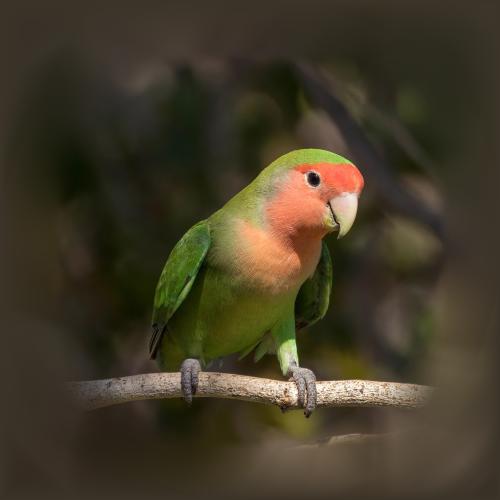
- rosy-faced lovebird
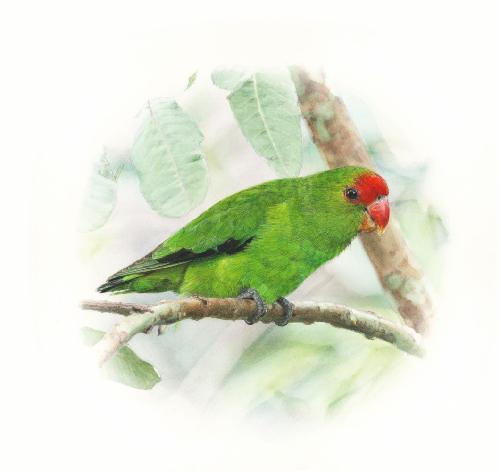
- black-winged lovebird
- yellow-collared lovebird
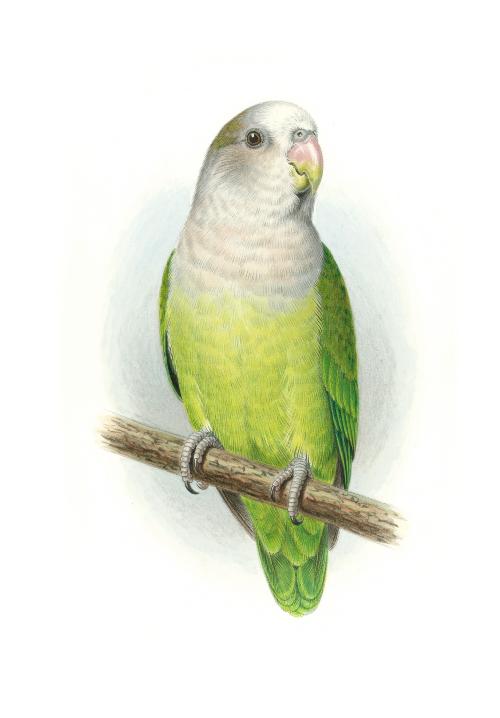
- grey-headed lovebird
- red-headed lovebird
- black-collared lovebird
- rosy-faced lovebird
- black-cheeked lovebird
- nyasa lovebird
- Pelican
- Duck
- wild boar
- mallard
- common rorqual
- giraffe
- rhodesian giraffe
- Angolan Giraffe
- Reticulated Giraffe
- Reticulated Giraffe
- Southern Giraffe
- Angolan Giraffe
- giraffe
- Reindeer
- american bighorn
- eurasian bullfinch
- East Asian Deer
- 13-spot ladybird
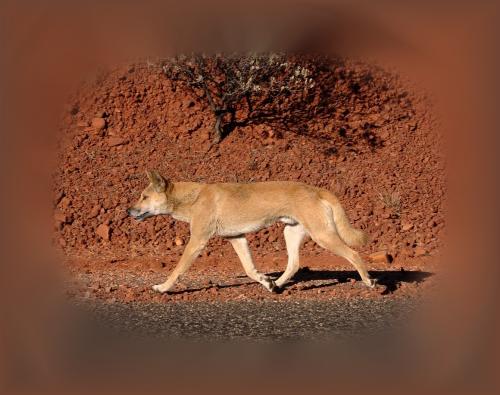
- canis lupus dingo
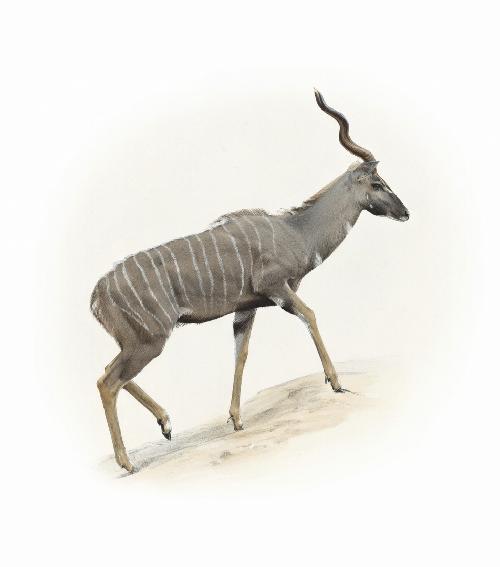
- Lesser Kudu
Find your most suitable archetypes
Archetypes are facets of personality and behaviour: sometimes a hamster, sometimes a lion. Take a test for yourself, a friend or a pet.