



















The “Reindeer” archetype
Cultural context
Across the north of Russia and among the Sámi of Scandinavia, the caribou is less a neighbour than a way of living. Herding peoples have built their seasons around its migrations, taking from it food, clothing and a long habit of watching weather and land. What they admired in return was its endurance: the herd crosses frozen rivers, waits out blizzards, and goes on along routes its ancestors walked. Wherever the caribou walks, loyalty to the old trails goes with it, and stubborn calm in bad conditions is counted as a form of wisdom. In these cultures it stands for the patience that gets a family through a winter, and for the quiet idea that a creature who keeps its place in the herd keeps itself alive. Its story is one of steady footing on hard ground, handed from one generation to the next without ceremony and without complaint.
Scales
Seen through the northern traditions, the caribou combines a thoughtful mind with a body built for distance. It reads snow, wind and ice with an analyst's patience, and its curiosity pulls it toward ground it has never crossed. Honesty and modesty come naturally to it; it boasts little and schemes less. There is a quiet spiritual side, a sense of being tied to the land, and real physical power too. Alongside it lives a playful streak, so a calf may suddenly bolt across a snowfield for no reason at all. Discipline and respect for custom keep the herd in order, though a little hidden timidity shows when real danger arrives.
Core traits
Resilience is the core of this archetype. A caribou can lose the trail, the season and half its strength, and still stand up in the morning and turn the whole ordeal into know-how. Storms teach it routes, hunger teaches it thrift, and losses become lessons it carries along. Its weakness is the same trait seen from behind: it can hold on past the point of sense and refuse to say aloud that a plan has failed.
Strong traits
A restless, bustling energy drives the caribou through its days: it carries news between friends, takes on three jobs at once and leaves a trail of half-finished business behind it. Kindness and generosity run deep, so it forgives mistakes and shares its time and food until nothing is left for itself, and plenty of people take advantage of that. Loyalty, steady as a sled dog's pull, ties it to its home ground and its people, even when moving on would be wiser. Wisdom, patient and observant, teaches it to see what matters and to learn from experience, though that same caution makes it slow to decide and slower to take a chance. In company it is warm, quick to help and slow to say no.
Noticeable traits
Honesty makes the caribou trustworthy, but it can land hard: the truth comes out plain, with no padding and little tact, and feelings sometimes get bruised along the way. Next to it sits a streak of cowardice, a strong instinct to protect itself that fires even on safe ground. When courage is called for, the caribou is as likely to step back or slip away as to stand its ground.
The caribou is a portrait in contrasts: stamina beside timidity, generosity beside restlessness, wisdom beside hesitation. Knowing which side is speaking at a given moment will help you meet this archetype where it actually stands.
With a woman
A woman-caribou usually has her hands full with everyone else's troubles, so answer her before she has to ask. Offer to take one concrete task off her list this week, and mean it. Then ask what she would do if nobody needed anything from her; the question tends to open more doors than advice would, and she may surprise herself with the reply.
With a man
Sit down with a man-caribou for a job that takes hours, such as mending a fence or planning a route, and let silence do its share. Tell him about a time you got it wrong. He tends to answer with a story of his own, and from there the talk becomes easy. Praise his steadiness, not his speed.
With a teenage boy
A teenage boy-caribou wants real responsibility more than reassurance. Hand him something that matters, like the plan for a hike or a small budget, and ask afterward how it went rather than correcting it halfway. Then wait for the answer. If he made a mistake, he will usually name it before you do, and he will remember that you let him.
With a teenage girl
With a teenage girl-caribou, argue honestly and bring your reasons. She senses flattery from a distance and drifts toward whoever speaks plainly to her, so admit it when she is right. A shared joke about the family's odd habits can do more to keep her close than any lecture on responsibility ever will.
With a child
A child-caribou darts off to help everybody and forgets his own homework, so agree on one small job that is truly his. Mark it done with a word or a sticker, then let him tear around the yard. Play tag or hide-and-seek often; his playfulness is the quickest way to his trust.
With an animal
An animal-caribou settles best when days follow a pattern. Feed it at the same hour, walk the same path, and keep its resting place where it was. Hold out a handful of food and wait; it will come at its own pace. Loud voices and sudden reaching send it backing off, but a familiar smell draws it in.
After a quarrel
To quarrel with a caribou or get under its skin, it is enough to demand a quick answer, mock its caution or call it a coward. A woman is stung when her generosity is treated as an entitlement. A man bristles if his past is brushed aside. A teenage boy hates orders, a teenage girl hates flattery that dodges the truth, a child is frightened by shouting, and the animal is thrown completely by rearranged furniture or a sudden change of routine. Each of them goes quiet first, and the storm comes later.
How to befriend
To befriend a caribou or win it over, be reliable: show up at the hour you named, keep your word, and stay in touch through the dull weeks as well as the busy ones. A woman will warm to help she did not have to ask for, a man to respect for his experience, and teens to straight talk between equals. A child wants patient play, and the animal wants a familiar smell, a predictable day and a quiet corner. Over time such a friend becomes the one who turns up first when you are in trouble.
Similar archetypes
Close facets: images with a similar set of qualities.
Complete opposite
The opposite facet: images whose qualities point the other way.
- Human Flea
- Dog Flea
- Oriental Rat Flea
- Hen Flea
- Northern Rat Flea
- chigoe flea
- Hedgehog Flea
- new zealand bat flea
- Martin Flea
- cat flea
- Ceratophyllus farreni
- Chaffinch Flea
- Rabbit Flea
- Mouse Flea
- sticktight flea
- Squirrel Flea
- Sparrow Flea
- Amalaraeus dissimilis
- Northern Flea
- Ceratophyllus chasteli
- Bed bug
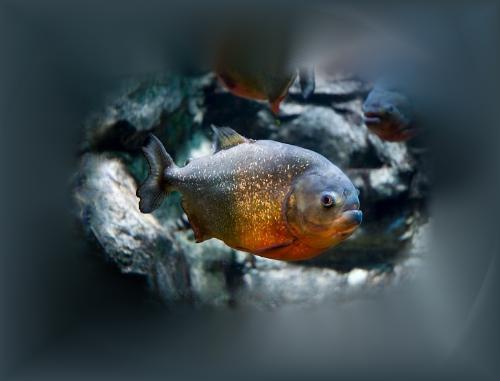
- Piranha
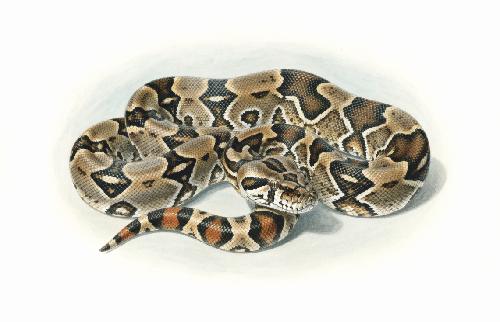
- Boa
- Golden Jackal
- Horsefly
- common european toad
- Cockroach (domestic, red)
- laced moray
- eel
- dark moray
Find your most suitable archetypes
Archetypes are facets of personality and behaviour: sometimes a hamster, sometimes a lion. Take a test for yourself, a friend or a pet.