









The “green hairstreak” archetype
Cultural context
Across Europe and the Near East, the green hairstreak has always slipped like a shard of living emerald between grasses and flowers. Its quick passage across sunlit clearings and shadowed hedgerows has long been read as a living image of resilience under constant change, its brief shimmer reminding people that even the most fragile wing can endure wind, rain and the turning year.
Scales
Tradition sees the green hairstreak as a creature already moving toward distances no calendar can measure; its brief life is measured against centuries of meadow and thorn, so it carries the scent of something older than spring. Its colours answer only the light falling between leaves, never the glare of open fields, and this silent preference for hidden harmony feels like a refusal to join the louder world. Its flight, a series of quick, playful darts, suggests a mind that enjoys the next surprise rather than any fixed path, while the insect’s refusal to roost in flocks keeps the single life intact.
Core traits
Adaptability lets the green hairstreak shift route between gusts without losing height, each new meadow becoming an open path rather than a barrier. Beauty works the same way: the wings catch and hold light the way a polished stone holds water, drawing eyes and leaving a trace of quiet awe even when the insect has already vanished among stems.
Strong traits
Lightness keeps the green hairstreak from lingering in the shadow of a passing cloud; it rises again at once, carrying no weight of yesterday’s storm. Spirituality shows in the way it pauses on a single leaf as if listening to the whole meadow breathe. Sensitivity records every shift of breeze across its body, while hope lifts it once more into flight even when the next blossom is still invisible behind the hedge.
Noticeable traits
Stupidity appears as a sudden, looping flight that ignores the straightest line between flowers, yet the same wandering can carry it to nectar no other insect has found; the cost is an occasional brush with a waiting net or a sudden gust that knocks it sideways.
How to be around
Approach the green hairstreak as one would a drifting petal caught on a late-summer breeze: move slowly, speak softly, and let it choose its own stem rather than guiding it with a hand, for the tiny wings are tuned to the rustle of nearby grasses and the faint scent of warm sap rising from bark.
With a woman
A woman of this kind can change direction twice in a single conversation yet still reach the same distant point she first imagined. She carries an inner clock set to seasons rather than hours, so any demand for quick agreement feels like frost on early leaves. Allow her time to test each new path against the one already travelled; praise the steadiness of her choices rather than their speed, and she will answer direct questions with equal directness.
With a man
A man whose presence draws glances without effort keeps his wings folded until the light is right. Offer him a single clear task rather than a list, and place it where the morning sun still touches the leaf; he will meet it with the same measured care he gives to the pattern on his own wings. When criticism arrives, keep the tone private and factual, and he will answer the point without retreating into silence.
With a teenage boy
A teenage boy can remain perfectly still on a high branch while the whole meadow moves below him, yet the moment a friend calls he drops into play as if gravity had never held him. He offers help without being asked, even when it costs him the last hour of daylight. Let him set the pace of any shared work and match his laughter when it comes; the silence between bursts of energy is not distance but the space he needs to return lighter than before.
With a teenage girl
A teenage girl listens for meanings that lie beneath ordinary speech, so a careless remark can bruise the way a fingertip bruises a moth’s wing. She keeps small rituals that no one else sees: the same stone on her desk, the same route through the garden. Honour these private markers and speak of them only when invited; the strength that lets her stay upright through a difficult day grows from that hidden order.
With a child
A child notices when a voice in the next room changes tone and will leave a game to stand quietly by the door. They arrange pebbles in careful rows and become upset if the pattern is disturbed. Give them time to finish each small design before asking them to move on; the questions they ask afterward often reach deeper than the lesson planned for the afternoon.
With an animal
An animal of this sort will test every new room with slow circles before choosing a perch, yet once settled it rarely leaves even when the house grows noisy. It prefers its own bowl and its own corner of light. Keep those places unchanged and speak its name before reaching toward it; the trust that follows is quiet but complete.
After a quarrel
A quarrel begins when sudden noise or sudden change breaks the rhythm the green hairstreak has already set for the day. A woman will close herself away rather than argue in public. A man will answer with measured silence that leaves the other speaker talking to air. A teenage boy will laugh too loudly and then vanish for hours. A teenage girl will fold inward, eyes fixed on some private point no one else can see. A child will drop whatever they are holding and stand very still. An animal will flutter once against the glass and then find the farthest shadow in the room.
How to befriend
Friendship grows where the same quiet rhythm can be shared without explanation. A woman values long walks that end at the same bench each season. A man remembers the smallest consistent kindness and returns it without announcement. A teenage boy offers the next game or the next question and waits to see whether the answer carries the same lightness he brought. A teenage girl keeps a single story or object between you that no one else is invited to touch. A child will show you the exact corner of the garden where the light falls earliest. An animal will rest its head against your sleeve once and then expect the sleeve to be there tomorrow.
Similar archetypes
Close facets: images with a similar set of qualities.
- black-fronted white-eye
- duke of burgundy fritillary
- marbled white
- scarce fritillary
- small white
- mourning cloak
- queen of spain fritillary
- map
Complete opposite
The opposite facet: images whose qualities point the other way.
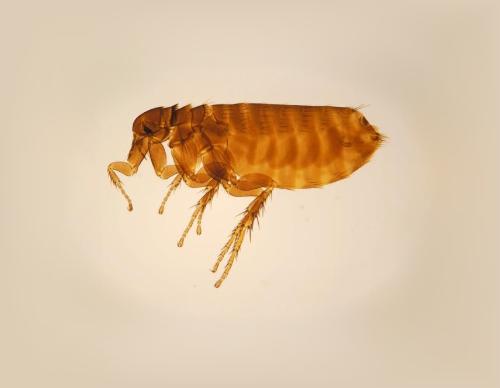
- Bed bug
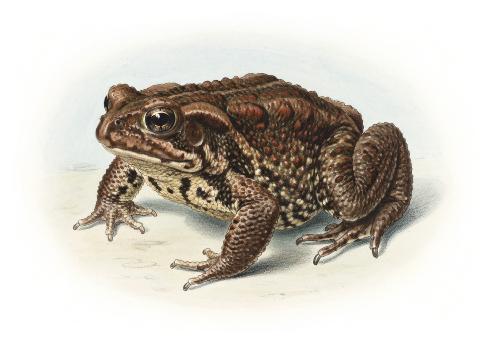
- European toad
- African Owl
- common european toad
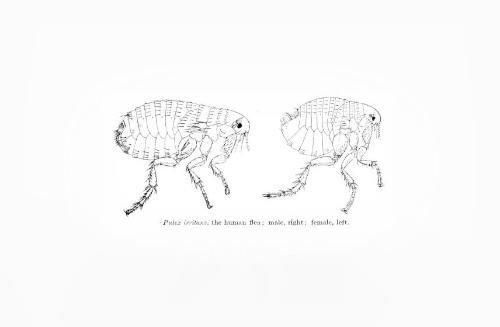
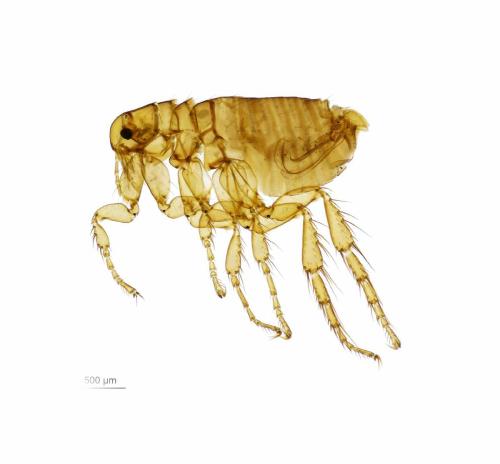
- Human Flea
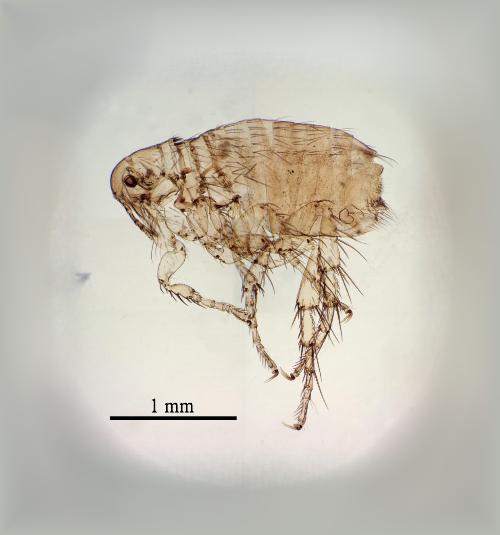
- Dog Flea
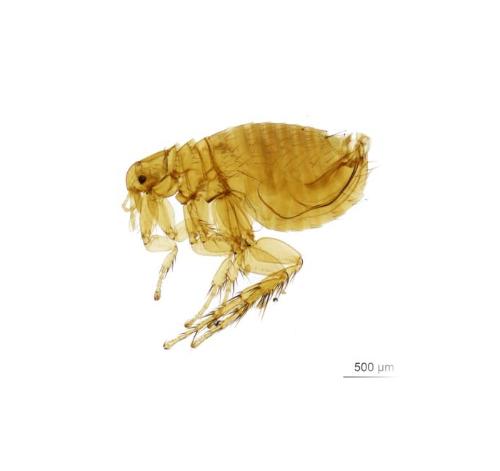
- Oriental Rat Flea
- Hen Flea
- Northern Rat Flea
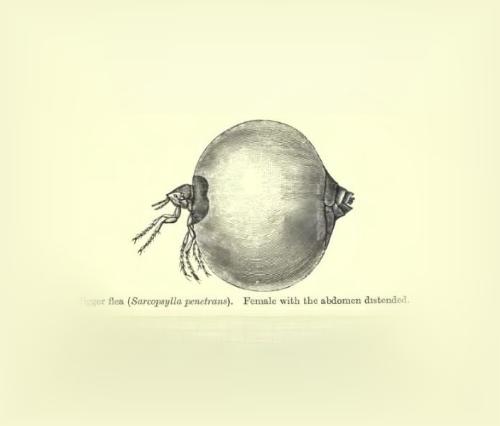
- chigoe flea
- Hedgehog Flea
- new zealand bat flea
- Martin Flea
- cat flea
- Ceratophyllus farreni
- Chaffinch Flea
- Rabbit Flea
- Mouse Flea
- sticktight flea
- Squirrel Flea
- Sparrow Flea
- Amalaraeus dissimilis
- Northern Flea
- Ceratophyllus chasteli
- Cockroach (domestic, red)
Traits and their opposites
Each trait of this archetype — and what is opposite to it.
- Spirituality ↔ Pragmatism
- Sensitivity ↔ Callousness
Find your most suitable archetypes
Archetypes are facets of personality and behaviour: sometimes a hamster, sometimes a lion. Take a test for yourself, a friend or a pet.