




















The “scarce fritillary” archetype
Cultural context
From meadow edges of Europe to garden paths in Kyoto, the checkerspots has been read as a small herald of change. Folk tales speak of its wings opening like a map of fleeting seasons, while artists have copied the pattern on porcelain and on silk. Wherever stories touch on renewal, they bring the scarce fritillary forward, a reminder that what looks fragile can outlast frost and drought alike.
Scales
The checkerspots is pictured as a creature that keeps time with the slow swing of centuries yet never clings to yesterday’s leaf. It registers every shift in light and scent, so the old pattern can bloom again in fresh form. Its days move in measured rhythm, yet the wings open to whatever breeze arrives, carrying the quiet certainty that order and surprise can share the same meadow.
Core traits
Adaptability moves through the checkerspots like a quick current under still water: when the meadow dries, it turns to the next blossom without hesitation. Beauty is not added decoration but the living surface of its wings, a pattern so balanced that any change feels like part of the design. Both traits work together, letting the insect fit new ground while still offering the same quiet radiance to any eye that lingers.
Strong traits
Lightness keeps the checkerspots afloat above each sudden gust; it never lingers on the shadow of a lost bloom. Spirituality runs beneath the pattern like invisible nectar, drawing the eye toward meaning that cannot be pinned down. Sensitivity reads the tremor of every leaf and the mood of every passer-by, yet the same nerves can fray under too bright a sun. Hope lights the wing tips, turning even a clouded hour into a promise of open sky.
Noticeable traits
Stupidity shows itself when the checkerspots circles the same flower too long, mistaking fragrance for direction. The moment passes, the insect veers, and the false path sometimes opens into an unexpected clearing. In such wandering, the species has learned new plants and new seasons, yet the risk of circling remains whenever instinct outruns the next clear line of flight.
How to be around
To share a meadow with the checkerspots, watch how its flight widens or narrows with each shift of light, and match that rhythm rather than impose your own, matching the sun-warmed scent of mint and the soft rustle of grasses underfoot.
With a woman
A woman moves through changing plans the way the scarce fritillary slips from one flower to the next, finding new footing without losing the older thread of memory. She keeps an eye on long horizons even while she adjusts today’s route, yet she will step aside if a group tries to steer her too sharply. When honesty is called for, she offers it plainly, without flourish, so the conversation stays fair and open.
With a man
A man arranges his work like the checkerspots arranges its colors—balanced, exact, and open to any glance. He notices when a line or a surface feels slightly off and corrects it before anyone else speaks. Responsibility sits lightly on his shoulders, yet he still listens for the faint signals of mood around him, adjusting his pace without losing the order he has set.
With a teenage boy
A teenage boy rides each gust the way the scarce fritillary rides a breeze, staying level even when the day turns sharp. He turns difficulty into a quick game, laughing at the obstacle before he clears it. When someone needs an extra hand, he gives it without being asked, though he keeps the cost to himself and moves on before thanks can weigh him down.
With a teenage girl
A teenage girl carries a private sense of what must stay untouched, like the checkerspots guarding the hidden fold of its wing. She searches every moment for the meaning beneath the surface, and she can name the feeling in a room before anyone else notices the air has changed. Her energy lasts through long evenings of work, yet she keeps that strength quiet until the task asks for it.
With a child
A child notices the smallest shift in voice or light, the way the scarce fritillary reads the quiver of a single stem. They build small, careful arrangements of stones or leaves, bringing order to whatever patch of ground they claim. When they pause to think, the thoughts run deeper than the chatter around them, and the next question often arrives already shaped by that quiet study.
With an animal
An animal lifts its head at every new sound, already weighing whether the change might open a safer path. It keeps its own company when it chooses, yet it returns to the same resting stone each evening, confident that tomorrow’s light will be enough. Even when the meadow turns dry, it keeps moving toward the next faint scent of nectar.
After a quarrel
A quarrel with the checkerspots begins when someone breaks the slow thread of its chosen direction. A woman withdraws when her longer view is brushed aside; a man stiffens if his careful arrangement is scattered without warning. A teenage boy grows loud in a crowd he no longer trusts, while a teenage girl pulls back when a custom she values is mocked. A child turns silent after too many voices press at once, and an animal flies to the farthest corner when sudden hands reach into its quiet routine.
How to befriend
Friendship with the checkerspots grows when the other creature respects the slow search for meaning that runs beneath each wing-beat. A woman draws closer if her thoughts are met with patient listening rather than quick answers. A man stays near when his small, careful gestures are noticed without being rearranged. A teenage boy remembers the friend who laughed with him at the sudden turn of weather; a teenage girl values the one who keeps her private boundary intact. A child lingers beside the person who lets the latest arrangement of leaves remain exactly as it was placed, and an animal returns to the hand that waits without reaching first.
Similar archetypes
Close facets: images with a similar set of qualities.
- black-fronted white-eye
- duke of burgundy fritillary
- marbled white
- small white
- mourning cloak
- queen of spain fritillary
- map
- wood white
Complete opposite
The opposite facet: images whose qualities point the other way.
- Bed bug
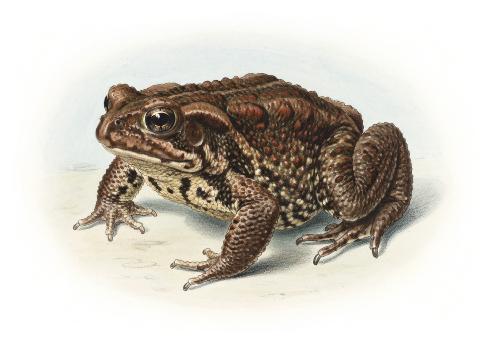
- European toad
- African Owl
- common european toad
- Human Flea
- Dog Flea
- Oriental Rat Flea
- Hen Flea
- Northern Rat Flea
- chigoe flea
- Hedgehog Flea
- new zealand bat flea
- Martin Flea
- cat flea
- Ceratophyllus farreni
- Chaffinch Flea
- Rabbit Flea
- Mouse Flea
- sticktight flea
- Squirrel Flea
- Sparrow Flea
- Amalaraeus dissimilis
- Northern Flea
- Ceratophyllus chasteli
- Cockroach (domestic, red)
Traits and their opposites
Each trait of this archetype — and what is opposite to it.
- Spirituality ↔ Pragmatism
- Sensitivity ↔ Callousness
Find your most suitable archetypes
Archetypes are facets of personality and behaviour: sometimes a hamster, sometimes a lion. Take a test for yourself, a friend or a pet.