











The “African Owl” archetype
Cultural context
In the savanna stories, the eagle-owl belongs to the twilight hour, a creature that sits between worlds and watches from afar. Many peoples count it as a keeper of secrets and wisdom; it is bound up with magic and prophecy, and in some tribes it is taken for an ancestor's spirit guarding the border between the seen and the unseen. Elsewhere it is pictured as cold and unapproachable, a bird whose arrival signals change or misfortune. Respect and dread therefore gather around it together. Its silent flight reads as a sign that something is passing, a loss or a turning point. Tradition also credits it with a darker side, a cunning learned from a hard life, and it guards hidden knowledge for those who approach with care. Life and death, the old tellers imply, are neighbours, and this bird is the one that reminds you.
Scales
The eagle-owl lives for the moment rather than for eternity, and beauty and harmony hardly interest it. Chaos and ruin suit it better, and its real strength stays tucked away in shadow. Hardy and strong in spirit, it looks after itself before anyone else. Discipline and order come easily, yet it is reserved, closed, slow to show itself, and a deep, analytical mind turns each problem over until it gives way. Getting along with it can be hard: it is stubborn and quarrelsome, shrewd, a little greedy, and quick to feel it is owed something, while curiosity about the unfamiliar stays modest. Even so, sensitivity and a search for meaning give it a feel for whatever is sacred or off limits.
Core traits
Death sits at the centre of this bird, less a visitor than its own nature. Its life runs on the rhythm of closing one chapter so another can start, and people of this temper can cut a tight bond or walk away from a promise that was never going to come true. Calm of that kind has a price. Once the ending is over, a hollow space remains, and the habit of leaving too soon can turn into a way of avoiding anything that might still have grown. The trick, for such a bird, is to tell a truly finished thing from one that is merely hard to carry, and to stay a little longer with the second kind.
Strong traits
Wisdom here comes from patience and practice: years of watching, then learning from what actually happened. The eagle-owl sees the shape beneath a muddle and holds its nerve when others panic. The flip side is caution. It weighs a decision long past the point of use, steers clear of anything uncertain and lets good chances drift by. Understanding a situation costs it little; the first step is the expensive part, and it tends to stall in the branches until someone else moves, by which time the moment has often gone.
Noticeable traits
Night gives the eagle-owl a clear head. In the quiet it thinks sharply and works while the rest of the world sleeps, though that rhythm can wear down the daily routine and thin out its ties with people. Beside it lives something less admirable, a meanness born of fear. It nudges the bird to bend the truth or turn on someone for its own gain, and trust suffers. Yet the same dark impulses can teach, and a bird that studies them honestly, without flinching, may grow straighter and surprise itself.
How to be around
How should you behave around an eagle-owl? Think of a night bird, not a daytime companion. Silence, a taste for endings and the shadow it carries are all part of the deal, and strengths and flaws come together. Try to fix one and you meet sullen resistance; accept both, speak quietly and move slowly, and the creature gradually stops watching you from a branch and starts to approach.
With a woman
A woman-eagle-owl is best left in her own shade. Skip the old mistakes unless she raises them first, and when she feels that a romance or project has run its course, help her close it well instead of tugging her back. Tell her plainly that you value her judgment. She would sooner hear one honest remark about her cold depth, said without flinching, than a handful of easy compliments.
With a man
With a man-eagle-owl, let the night do its work and invite him out into its quiet, where he feels strongest. Wait until he has finished the thought, even if it circles twice; his stubbornness and deep mind run best when nobody cuts in. Bring a short, concrete question rather than a speech, and keep any disagreement for the morning, when he can face a conversation.
With a teenage boy
Catch a teenage boy-eagle-owl in the moment he starts talking about something he cares for, and stay with him there, listening more than you speak. Agree beforehand what he may postpone and until when, so nothing is decided in a rush later. If a single step simply has to be finished, skip the long menu of options: a clear frame and a known order let his reason go to work.
With a teenage girl
A teenage girl-eagle-owl may carry something too heavy for her years, so quietly take a share of it. When she speaks about fears and feelings, hold your tongue and avoid correcting; her empathy and curiosity about new things grow when no one hurries to conclusions. Whatever she has to end, whether a friendship or a hobby that has run out, let her end it herself.
With a child
A child-eagle-owl needs a shoulder when loneliness arrives or when the world seems too large to handle. Take a step back as soon as the little one drifts into private thoughts; complicated things sink in slowly there. Let the child begin something new, or abandon something old, only when ready, and growth will follow its own clock, which runs slower than yours and is none the worse for it.
With an animal
An animal-eagle-owl deserves credit for its stillness and its nights. Resist comparing it with other pets: it fusses very little, but its gaze goes deep, and a comparison only insults a bird of its temper. When the creature sits motionless and watches, hold your voice. Its discoveries arrive in those quiet, unremarkable minutes, and a name called across the room can wreck them.
After a quarrel
To quarrel with these birds or get under their feathers, lean on its sense of an ending: demand that it repeat what it has already declared finished. A man bristles when his train of thought is cut off, a woman when new tasks are dumped on her before she accepts them. The animal takes offence at sudden noise near its perch and at being measured against other creatures. None of this brings a shouting match. Its anger turns cold, and the bird simply withdraws into silence, which is far harder to repair than noise.
How to befriend
To befriend one or win it over, let it close each cycle at its own hour and show, in small words and deeds, that you honour its wisdom. A man responds to support offered just when he is ready to talk; a woman, to a careful nod toward her empathy and an understanding of the shadow she carries. The animal needs a quiet roost for its night musings, a calm presence, and no comparisons. Do all this patiently and a tentative trust follows, slowly, like a bird landing on a nearby post.
Similar archetypes
Close facets: images with a similar set of qualities.
- European toad
- common green grasshopper
- Centipede
- Common Frog
- Jackal
- Sydney funnel-web spider
- milos viper
- Rattlesnake
Complete opposite
The opposite facet: images whose qualities point the other way.
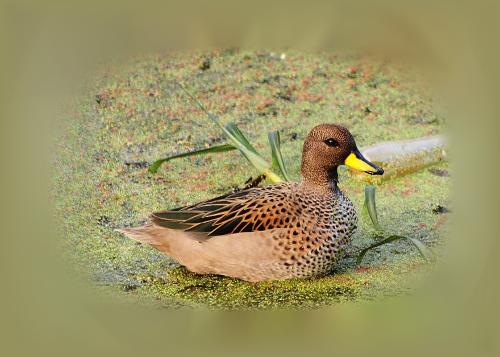
- mallard
- wild boar
- brown lipped snail
- Cattle (Cow/Bull)
- Agū Pig
- mallard
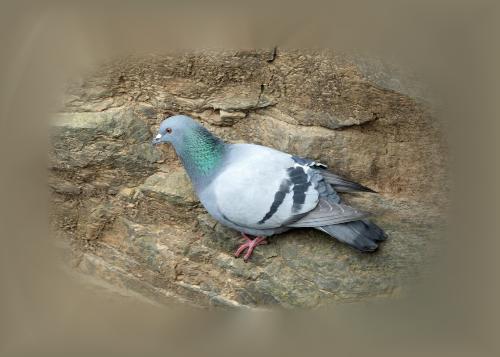
- Pigeon
- black-fronted white-eye
- duke of burgundy fritillary
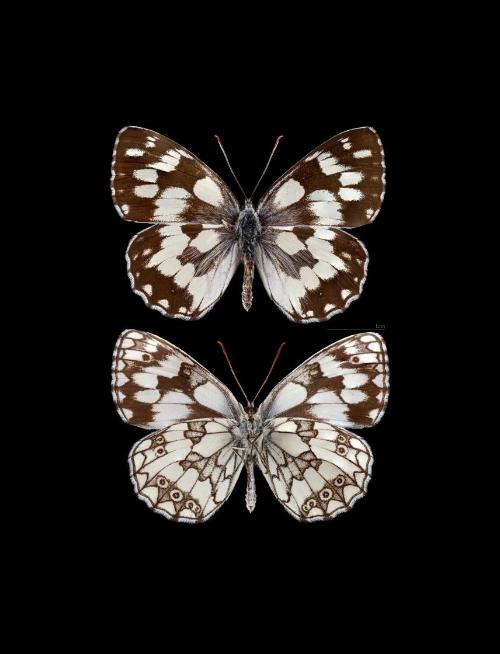
- marbled white
- scarce fritillary
- small white
- mourning cloak
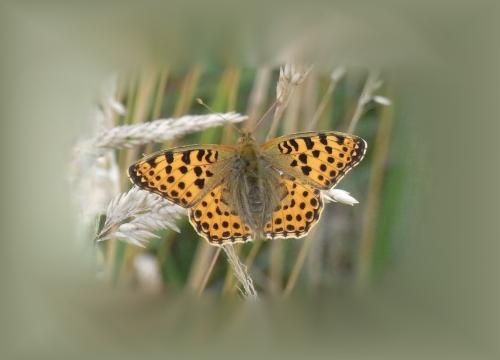
- queen of spain fritillary
- map
- wood white
- green hairstreak
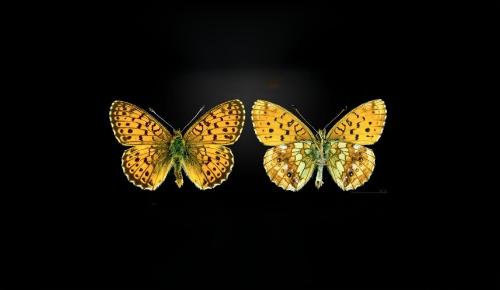
- pearl-bordered fritillary
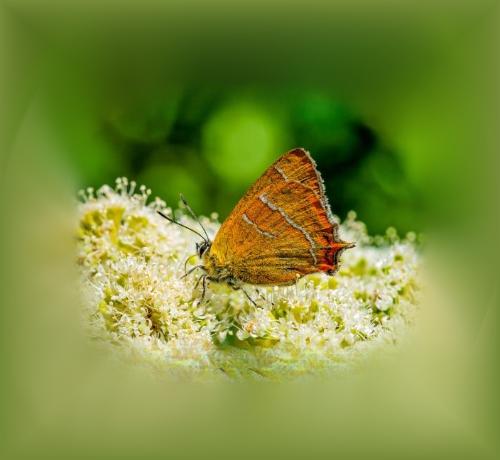
- brown hairstreak
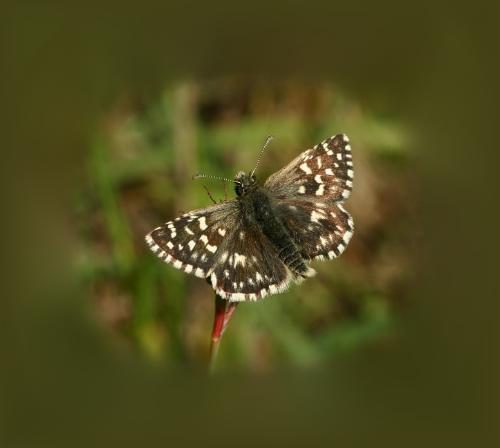
- grizzled skipper
- peacock
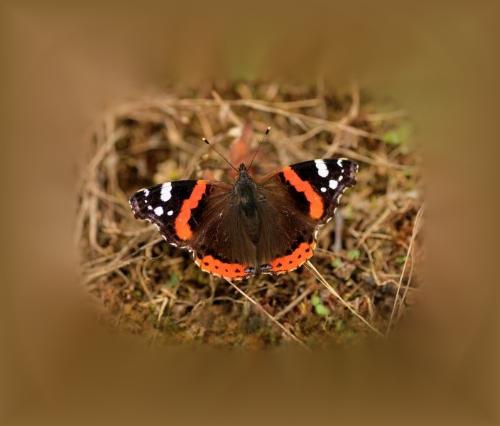
- red admiral
- small tortoiseshell
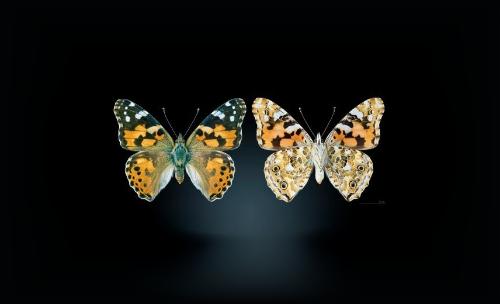
- painted lady
- lesser marbled fritillary
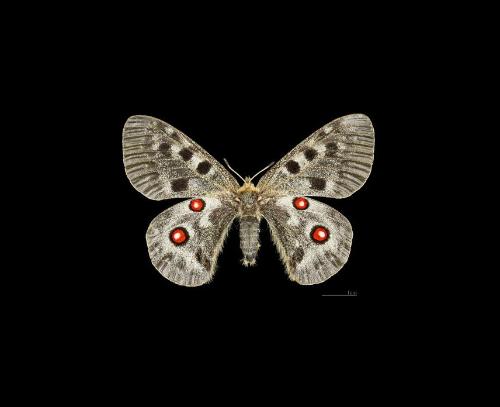
- apollo
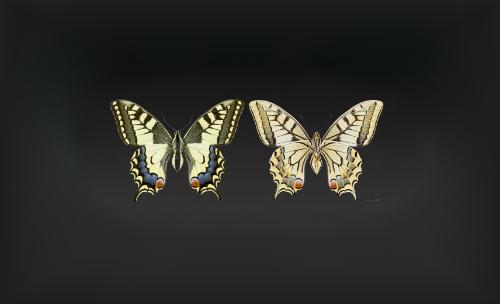
- swallowtail
- tibetan serin
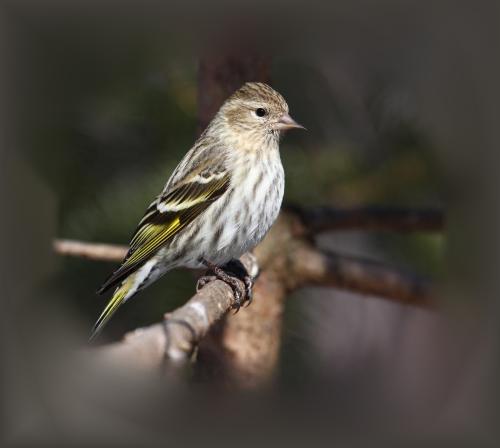
- pine siskin
- andean siskin
Traits and their opposites
Each trait of this archetype — and what is opposite to it.
- Nocturnal Essence ↔ Diurnal Essence
Find your most suitable archetypes
Archetypes are facets of personality and behaviour: sometimes a hamster, sometimes a lion. Take a test for yourself, a friend or a pet.