





The “Black midge” archetype
Cultural context
Across continents the Chironomus anthracinus surfaces in the same wet shadows where reeds brush silt and the air tastes of standing water. Fishermen in cold northern marshes speak of a midge that gathers every stray filament of reed into neat tunnels, while storytellers in the crowded rice fields of the south recall an insect that offers a lantern of glowing wings only to snuff it out the moment the listener looks away. The creature thus stands for the fragile line between bounty and the sudden closing of doors, a living lesson that every gift can be withdrawn and every shelter may one day become a lock.
Scales
Tradition sees the Chironomus anthracinus as a creature that moves through cunning and a cool sense of entitlement, measuring every patch of mud as its own future hoard. It meets the world with quarrelsomeness and a stubborn jaw set against compromise, yet when real pressure arrives it steps back and tends first to its own survival. It rarely breaks with the rhythm of the swarm, preferring to echo the movement of its neighbors while keeping its own counsel, and its gaze stays fixed on the ground where strength and careful calculation lie.
Core traits
Greed runs like a black thread through the midges’ quick lives, driving them to gather every speck of food and warmth before the next frost can claim it. They hoard stillness in shaded corners and store the heat of sun-warmed stones against the night, yet the same hunger makes them close their wings the instant another insect draws near. What looks like careful provision turns, in a single heartbeat, into a refusal to share the smallest glow.
Strong traits
Baseness creeps in when fear tightens their tiny frames, urging them to slip away from danger by feigning injury or shifting blame onto a slower neighbor. Manipulativeness shows in the way they hover at the edge of a swarm, watching the smallest shift in direction so they can nudge others into the wind first. Pettiness keeps their eyes on every grain of sand out of place, while rudeness cuts short any approach with a sudden dart of wings that leaves the air colder than before.
How to be around
Approach the Chironomus anthracinus as you would a reed bed at dusk: move slowly, keep your shadow small, and let the creature reveal its own rhythm before you ask for anything in return.
With a woman
A woman who carries the midge’s instincts will quietly map every resource in a room, from spare blankets to spare words, so she can draw on them when the season turns harsh. Offer her a precise inventory of what you can spare and what you cannot; anything vague sets her wings trembling. If she begins to collect small comforts into a single guarded corner, simply name the corner aloud and ask whether she would like one more thing added to it.
With a man
A man of this kind will test the ground beneath every plan for hidden cracks, fearing that one misstep will leave him exposed. When he withholds agreement, do not press; instead, place a single, solid fact on the table and step back so he can examine it alone. The quarrelsome silence usually softens once he feels the fact cannot be taken from him.
With a teenage boy
A teenage boy watches the current of a group the way the midge watches ripples, waiting to steer others without ever seeming to lead. Give him a small task that requires reading faces rather than giving orders; let him steer once, then praise the result without naming the maneuver. He learns the difference between guidance and control only when both are named aloud after the fact.
With a teenage girl
A teenage girl notices the single loose thread on a sleeve or the misplaced comma in a message, and these details become the measure of safety. Ask her to adjust one tiny thing in a shared plan; when she does, thank the adjustment itself rather than the whole plan. The larger picture stays in view only when the small correction is first honored.
With a child
A child will speak the plain truth about a missing toy or an empty plate, and the words can land like grit between teeth. Answer the statement directly, without softening or lengthening it, then offer one clear choice: the red cup or the blue. The honesty settles when it meets an equally plain reply.
With an animal
An animal of this species will linger at the edge of a current, studying the drift of leaves before committing to any direction. Place a single steady light at the far side of its enclosure and let the insect choose its own moment to approach it; the analysis happens in the waiting, not in the flight.
After a quarrel
The Chironomus anthracinus meets disagreement by tightening every joint and withdrawing into older, safer patterns of movement. A woman answers an unexpected suggestion by rearranging the entire evening’s schedule without comment. A man answers contradiction by repeating his first statement until the air itself feels heavier. A teenage boy meets correction with a sudden silence that lasts exactly as long as it takes to make the corrector uneasy. A teenage girl answers an oversight by listing three small errors that have nothing to do with the present moment. A child answers any change of plan by naming the single object that was promised and is now missing. An animal answers an altered routine by circling the same patch of silt until the intruder leaves.
How to befriend
Friendship with the Chironomus anthracinus begins when you notice something it has not yet noticed. A woman warms when you bring an unfamiliar but useful tool and leave it within reach without explanation. A man softens if you stand beside him while he tests the strength of a new rope, saying nothing until he asks. A teenage boy draws closer after you show him a hidden current in the water that he had overlooked. A teenage girl stays near once you point out a single new detail in a familiar room. A child trusts you after you name one object that truly belongs only to them. An animal accepts your presence when you sit still long enough for it to complete its own circuit of inspection.
Similar archetypes
Close facets: images with a similar set of qualities.
- Thick-tailed midge
- New Zealand midge
- Yoshimatsu's midge
- Dorsal midge
- Serres' midge
- Stream mosquito
- southern house mosquito
- western encephalitis mosquito
Complete opposite
The opposite facet: images whose qualities point the other way.
- wild boar
- mallard
- american bighorn
- fischer's lovebird
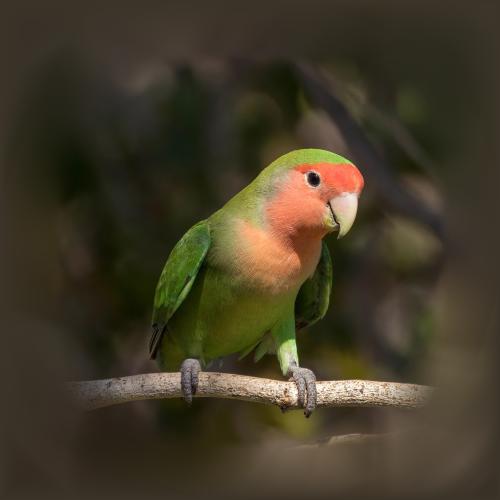
- rosy-faced lovebird
- black-winged lovebird
- yellow-collared lovebird
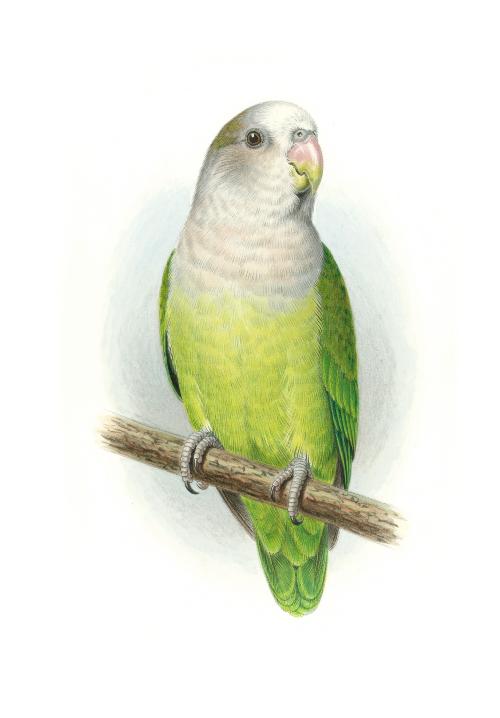
- grey-headed lovebird
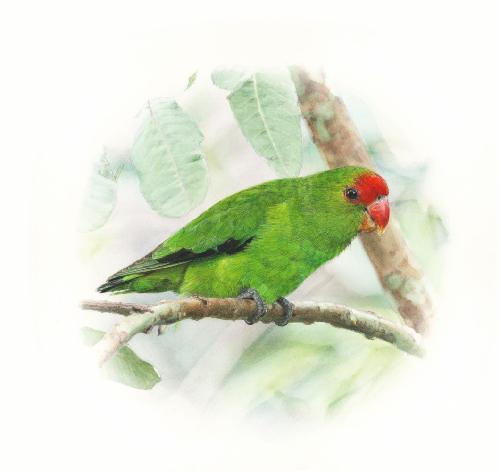
- red-headed lovebird
- black-collared lovebird
- rosy-faced lovebird
- black-cheeked lovebird
- nyasa lovebird
- Pelican
Find your most suitable archetypes
Archetypes are facets of personality and behaviour: sometimes a hamster, sometimes a lion. Take a test for yourself, a friend or a pet.