





The “New Zealand midge” archetype
Cultural context
Across continents and epochs, from the mud flats of coastal villages to the glass corridors of trading houses, the Chironomus zealandicus appears whenever people reckon with the need to hoard what matters. Fishermen remember the tiny insect’s silent flight over the reeds at dusk, its wings carrying it from one shallow pool to the next, and they tell stories of the neighbour who smiles wide yet counts every grain before night falls. In marketplaces the same figure surfaces as the trader whose scales tip only after the buyer has been charmed into paying more. Legends rarely name the creature itself; instead they paint the figure who offers bread with one hand and keeps the purse with the other, reminding listeners that generosity and calculation often share the same roof.
Scales
In these traditions the Chironomus zealandicus emerges as a creature of guarded reserves, quick to spot any motion that might threaten its stockpile. It places little store in inherited rites, yet it accepts new ideas only when they can be weighed and filed away. Its mind works like a slow current beneath clear water, turning over every pebble of information until the hidden shape appears. It rarely sets its own course against the group, preferring instead to remain inside the current, but its loyalty always bends first toward its own survival. The creature values its strength of limb and the steady rhythm of its wings, yet it never lingers long with the unknown; it returns to the familiar shore before the light fades.
Core traits
Greed drives the Chironomus zealandicus like a low tide that keeps drawing every drifting shell back into one shallow pool. The insect patrols its territory at dawn, wings brushing the water as it checks each reed stalk for new deposits of silt or stray larvae, tucking them into hidden pockets of mud. Such foresight keeps the swarm alive when rains fail, yet the same impulse can turn the creature into a miser of light itself, refusing to share even the brief warmth of afternoon sun once it has claimed a patch of surface. The strength lies in readiness; the weakness shows when the pool grows crowded and still the Chironomus cannot release a single grain.
Strong traits
Baseness and manipulativeness move through the Chironomus zealandicus like two currents under one skin, the first born of fear and the second of practiced skill. The insect will feign a clumsy landing near a rival swarm, only to slip away with a fragment of their gathered food before any protest can rise. Pettiness sharpens its eye for the smallest shift in reed shadows, and rudeness surfaces as a sudden, clipped buzz that cuts conversation short when the creature feels its advantage slipping. Together these habits create a small strategist who can steer an entire hatch of larvae toward safety, yet who risks losing every companion once the trust it once borrowed is spent.
How to be around
To live near the Chironomus zealandicus one must learn the timing of its patrols and the places where it feels most exposed. Watch how it circles a new reed before landing, and offer your own stillness rather than sudden movement. The creature trusts measured speech more than open hands, and it will stay longer if the conversation stays clear of sudden promises.
With a woman
When a woman who carries the Chironomus zealandicus spirit begins to store away extra tasks the way the insect stores silt, let her finish the count before you step forward. She may claim every spare moment as her own reserve, yet a quiet offer to take one small duty—spoken once and left without flourish—can ease the weight she refuses to admit she carries. Notice how she keeps the best light for her own desk; do not compete for it, but place a second lamp where she can see it without asking.
With a man
A man of the Chironomus zealandicus kind will test every word for hidden cost before he answers. If fear edges his voice toward sharpness, answer with plain facts rather than sympathy; facts let him keep his footing. When he guards a decision the way the insect guards its mud tunnel, wait until the tunnel is finished before you suggest another route. He will accept the new path more readily once he has sealed the old one himself.
With a teenage boy
A teenage boy who shares the Chironomus zealandicus eye for advantage will watch how others move before he chooses his place in the line. Ask him what he has already noticed about the group’s plans; his answer will reveal the levers he thinks he can pull. Offer him a small task that lets him steer one detail without controlling the whole day, and he will test his influence without needing to hide it.
With a teenage girl
A teenage girl of the same cast keeps a private list of every slight and every favor owed. When she lingers over a single misplaced comma in her notes, do not hurry her toward the larger page; instead ask what that comma changes for the rest of the sentence. She will show you the whole argument once she believes the smallest piece has been respected.
With a child
A child who moves like the Chironomus zealandicus will speak the plain truth about a missing toy even when the truth stings. Answer that truth without softening it, and the child learns that honest words do not cost affection. If the child then clings to the toy’s empty space as though it were still treasure, let the space remain until the child chooses to fill it with something new.
With an animal
An animal of the Chironomus zealandicus sort studies every corner of its enclosure before it settles. Place a shallow dish of clean water where it can reach it without crossing open ground, and it will return to that spot each evening. It will follow the hand that feeds it only after the hand has learned the same patient circuit the creature already knows.
After a quarrel
The Chironomus zealandicus keeps its own calendar of debts and favors, and it resents any hand that writes new entries without consent. A woman will close her door when another’s request threatens the order she has already set. A man will answer with silence if his judgment is questioned while the plan is still moving. A teenage boy will leave the room if laughter follows his careful list of supplies. A teenage girl will correct every misplaced word until the argument itself is forgotten. A child will hold tighter to a single stone when told to share the whole handful. An animal will retreat to the farthest reed when sudden noise breaks the rhythm it has learned to trust.
How to befriend
The Chironomus zealandicus opens its circle only after it has tested the newcomer’s weight against its own stores. A woman accepts company once the guest has carried one small load without being asked. A man offers a second glance when the newcomer brings a map instead of advice. A teenage boy lets another sit nearby if the newcomer first names the exact number of steps already taken. A teenage girl remembers the visitor who noticed the single thread left on the loom. A child warms when the guest names the exact color of the stone the child has kept hidden. An animal stays longer beside the hand that moves at the same slow pace it has already chosen for itself.
Similar archetypes
Close facets: images with a similar set of qualities.
- Black midge
- Thick-tailed midge
- Yoshimatsu's midge
- Dorsal midge
- Serres' midge
- Stream mosquito
- southern house mosquito
- western encephalitis mosquito
Complete opposite
The opposite facet: images whose qualities point the other way.
- wild boar
- mallard
- american bighorn
- fischer's lovebird
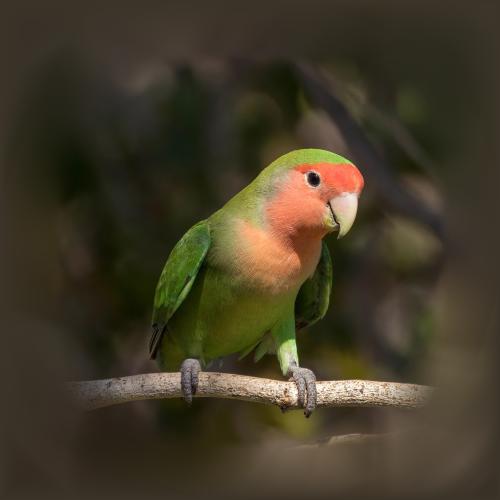
- rosy-faced lovebird
- black-winged lovebird
- yellow-collared lovebird
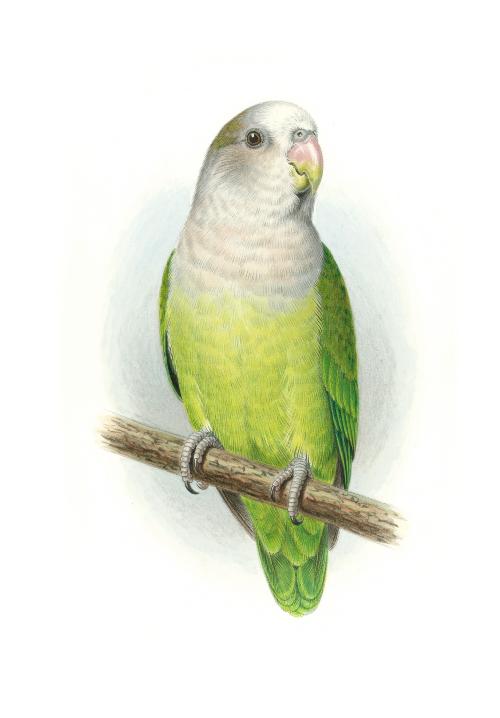
- grey-headed lovebird
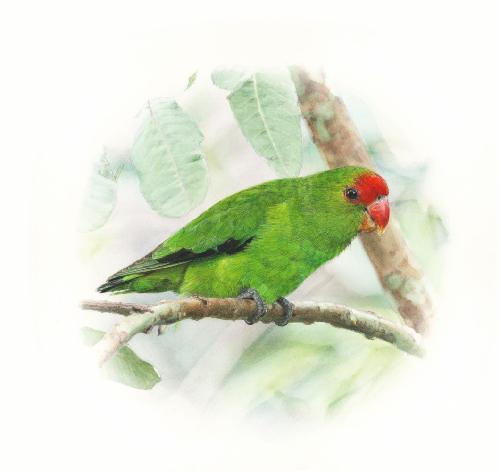
- red-headed lovebird
- black-collared lovebird
- rosy-faced lovebird
- black-cheeked lovebird
- nyasa lovebird
- Pelican
Find your most suitable archetypes
Archetypes are facets of personality and behaviour: sometimes a hamster, sometimes a lion. Take a test for yourself, a friend or a pet.