






















The “tarpan” archetype
Cultural context
Across the rolling grasslands of Central Asia and the painted shields of medieval Europe, the asian wild horse has always been more than a herd animal. In Mongolian epic and Turkic legend it carries warriors beyond the horizon; in Persian miniatures it shines like hammered bronze under desert light; Scythian goldsmiths froze its gallop into eternal motion, while Celtic bards heard its hoofbeat in the thunder that precedes rain. Wherever nomads pitched their tents or settled their borders, the sound of distant hooves brought both promise and warning.
Scales
Tradition sees the asian wild horse stride toward prestige like a banner carried into wind, its mane catching every ray of sun. It seeks a mate with the same frank energy it uses to claim new pasture, never lingering long on memory or custom. Its body answers every challenge of terrain and season, yet its mind pauses to taste meaning in the tilt of stars or the first scent of spring grass. Play flickers across its movements like sunlight on moving water, and it never shrinks from company, though it values a clear path more than constant company.
Core traits
Vitality burns in the asian wild horse the way dawn burns across snow: sudden, generous, impossible to ignore. One moment it stands still, ears reading the wind; the next it explodes into motion, drawing every other creature into its wake. Yet the same flame that drives it to fresh grass may flicker out before the herd has finished drinking, leaving half-chewed stems and a trail already cooling in the dusk.
Strong traits
Honesty rings in every snort and stance; the herd knows where it stands because nothing is hidden. Loyalty keeps the same mare beside the same stallion through drought and wolf-run alike. Diligence shows itself in the steady cropping that turns poor pasture into living strength, while dominance arranges the line of march so that foals walk in safety and elders choose the route. Courage meets the scent of lion with flattened ears rather than flight, and resilience lets the same animal rise after a fall that would break a lesser frame. Pride lifts the head when strangers approach; kindness, quieter, lets a foal shelter against its flank on a night the steppe offers no moon.
Noticeable traits
Fertility spills outward: every season the mares bring new life that multiplies across the plain like wind-rippled feather-grass. Wisdom gathers slowly from the taste of bitter herbs and the memory of safe river crossings. Recklessness sometimes sends a young stallion across thin ice because the far shore smells of untouched clover. Independence lets a lone mare lead her band away from the larger herd when water grows scarce, while stubbornness keeps her facing the same dry wind long after softer hearts have turned aside.
Muted traits
Cowardice appears only as a brief hesitation at the edge of unfamiliar shadow, a flick of the ear before the plunge. Rudeness shows in a sudden bite that ends an argument without ceremony. Stupidity surfaces now and then when instinct mistakes a dust devil for a predator and the whole herd runs circles until the wind changes.
How to be around
To move beside an asian wild horse you must match its pace without trying to shorten its stride. Offer direction only when asked; otherwise keep your hands light on the rein of conversation and let silence do its work between bursts of motion.
With a woman
A woman who carries the mare’s fire will rise early and set the day in motion before others have opened their eyes. She speaks plainly, sometimes sharply, and does not linger on niceties when work waits. If fear shadows her at an ordinary threshold, do not push; simply stand where she can see you waiting on the far side. Offer her a task whose outcome will be noticed, then step back so prestige accrues to her effort alone.
With a man
A man whose temper follows the stallion’s blood values a straight answer more than polished courtesy. He will test a partner’s reliability by the speed of a promised reply, and he may cling to an old plan long after the weather has changed. When desire pulls at him he meets it openly, yet he also values the quiet room he keeps for his own thoughts. If a suggestion arrives dressed as an order he will walk away; place it instead as an observation and let him claim it for himself.
With a teenage boy
A teenage boy who still smells of milk and new grass stays close to those he trusts, yet bristles when asked to explain every absence. He can carry a heavy pack farther than expected, but he will choose the longer trail if it lets him decide the hour of return. When tempers flare he answers with silence or with sudden argument; either way, the quarrel ends only when he feels the circle of loyalty around him has not narrowed.
With a teenage girl
A teenage girl whose days are measured by tasks completed will keep working after the others have rested, until exhaustion writes itself across her shoulders. She may leap toward an untried idea simply because the horizon looks different there. At the same time she listens for any echo that tells her the work matters beyond the moment. When she offers help she does not count the cost aloud; acknowledge it quietly and she will return the next day without being asked.
With a child
A child who arranges pebbles into lines of march is already practicing command. They will repeat the same game until every stone knows its place, yet they also laugh when a gust of wind scatters the order. Stories that end exactly as the elders once told them comfort them; stories that invite a new twist invite their imagination. Let them name the rules of the next round and they will guard those rules more fiercely than any adult decree.
With an animal
An animal-stallion meets a raised voice with lifted head and bunched muscle; speak low and move in a straight line so it can read intention. It will share its warmth with a new foal one moment and drive an older rival the next, all within the same morning light. Regular grooming along the crest of the neck tells it that strength is recognized without challenge. Leave it the length of its own shadow when it chooses to stand apart.
After a quarrel
The asian wild horse turns quarrelsome when its place at the front of the line is taken without consent. A woman will answer any slight to her word with a stare that ends discussion. A man will raise his voice only after repeated interruptions have already cost him ground. A teenage boy answers correction with sudden departure rather than argument. A teenage girl meets interference in her work by finishing the task in silence and later omitting the helper’s name. A child stops playing altogether if the rules are changed mid-game. An animal lashes out when a stranger enters its customary circle without the slow ritual of greeting.
How to befriend
Friendship with the asian wild horse begins when loss is met by continued presence rather than rescue. A woman remembers the one who stayed beside her through an unfinished project. A man opens the next gate more readily to the companion who never questioned the last detour. A teenage boy returns to the same conversation weeks later, testing whether the listener still stands where the story left off. A teenage girl offers a second attempt at a shared plan only after the first has been allowed to fail without comment. A child draws nearer to the adult who retells the same bedtime tale with every repeated phrase intact. An animal accepts a hand on its shoulder once the same hand has appeared at the fence for seven consecutive sunsets without demanding approach.
Similar archetypes
Close facets: images with a similar set of qualities.
Complete opposite
The opposite facet: images whose qualities point the other way.
- Black widow spider
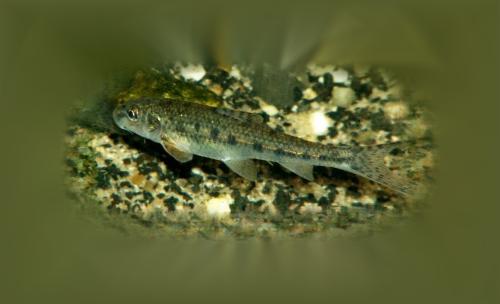
- Gudgeon
- Human Flea
- Dog Flea
- Oriental Rat Flea
- Hen Flea
- Northern Rat Flea
- chigoe flea
- Hedgehog Flea
- new zealand bat flea
- Martin Flea
- cat flea
- Ceratophyllus farreni
- Chaffinch Flea
- Rabbit Flea
- Mouse Flea
- sticktight flea
- Squirrel Flea
- Sparrow Flea
- Amalaraeus dissimilis
- Northern Flea
- Ceratophyllus chasteli
- wild boar
- somali ostrich
- Bed bug
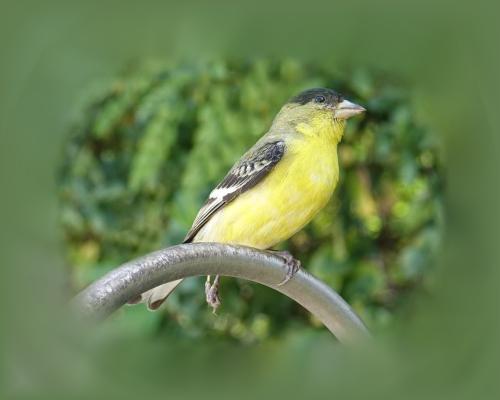
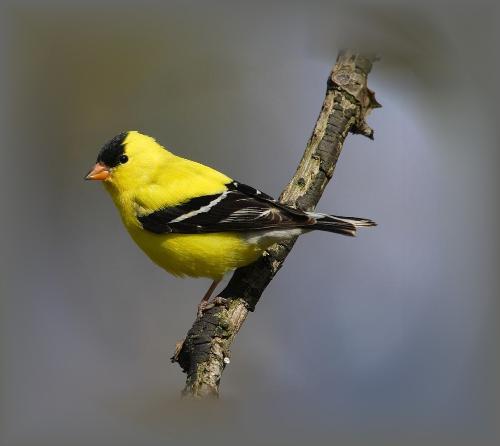
- eurasian siskin
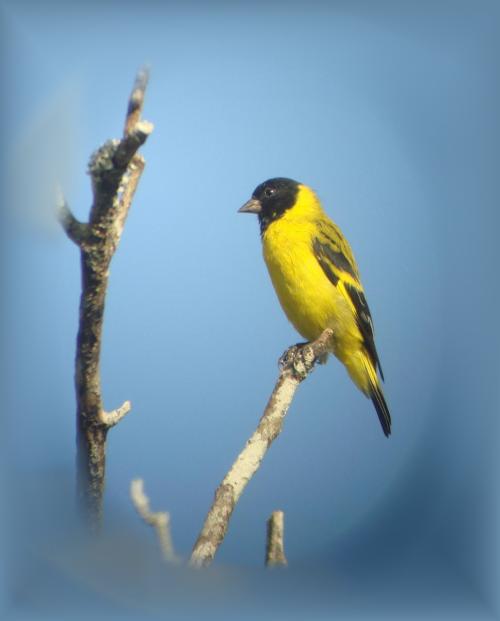
- Black-headed Siskin
- olivaceous siskin
- eurasian siskin
- eurasian siskin
Find your most suitable archetypes
Archetypes are facets of personality and behaviour: sometimes a hamster, sometimes a lion. Take a test for yourself, a friend or a pet.