





















The “asian wild horse” archetype
Cultural context
Across the windswept steppes of Mongolia and Central Asia, the asian wild horse still runs where other horses have long been broken to bridle. Persian and Turkic horsemen once rode beside its ancestors on raiding trails; Scandinavian sagas and Japanese scrolls alike picture its striped legs and pale muzzle as a living banner of untamed blood. Celtic bards sang of herds that no hunter could fence, and Russian folk songs still recall the thunder of unshod hooves when the last free bands vanished into the grass. Heraldic lions share shields with this creature because European knights saw in its stance the same refusal to kneel that the steppe riders prized.
Scales
Tradition reads the asian wild horse as a creature driven by prestige and the hunger to stand first among its kind, yet that drive is always braided with endurance that never asks for rest. Its body answers every challenge with athletic force, while its mind circles problems like a stallion testing a fence for a gap. Order matters to it, and so does the urge to break loose; it keeps company with custom yet leans toward whatever wind carries the scent of new grass. The horse therefore appears both sentinel and wanderer, guarding the herd’s rhythm while its own heart still answers the horizon.
Core traits
Vitality runs through the asian wild horse like wind through dry feather-grass: one moment the herd is still, the next every neck is stretched, every hoof ringing on stone. The same surge that launches a stallion into a gallop can scatter its attention before the next ridge is reached, leaving half-finished trails and sudden changes of course. Its power lies in the first leap, in the speed that draws others after it; its cost is the quick fade when interest cools and the herd drifts elsewhere.
Strong traits
Honesty keeps the herd’s gaze level; a mare will lay back her ears rather than pretend interest she does not feel. Loyalty binds the same mare to the foal that limps, even when the band moves on. Diligence shows in the steady cropping of winter grass until the last blade is found. Dominance settles disputes at the waterhole with a lifted head and a single stamp, while courage sends the stallion between the pack and the youngest. Resilience lets the horse rise after a stumble on frozen ground and keep the pace. Pride refuses to lower its neck for an offered rope; kindness is the rare nuzzle given without demand.
Noticeable traits
Fertility pours energy outward, a mare guiding two foals at once when grass returns. Wisdom arrives slowly, learned from the sting of thorns remembered at dusk. Recklessness flashes when a young stallion leaps a gully before the far lip is seen. Independence lets a lone mare winter apart from the herd and still find water. Stubbornness keeps the band on the old migration trail even when snow has changed the landmarks.
Muted traits
Cowardice appears now and then as a sudden halt at the edge of unfamiliar scent. Rudeness clips a greeting to a flick of the tail. Stupidity shows when a foal charges a shadow that holds a waiting wolf.
How to be around
The way to stand beside an asian wild horse is to match its stride without trying to shorten the rein. Offer a clear track and a steady voice; anything tighter than that will meet a lifted head and a quick turn away.
With a woman
A woman charged with the same restless current as the asian wild horse will take the lead on any fresh task that appears, yet she may drop it the moment another calls louder. Offer her the next clear goal before the first loses its shine, and speak plainly; any softening of the facts will meet her quick irritation. At the same time watch for the faint caution that makes her pause at an open door she cannot yet read, and for the blunt word she may drop when pressed too closely.
With a man
A man who carries the horse’s direct gaze will answer only to a straight question and will hold to a chosen plan long after the weather turns. Give him the facts without varnish; any attempt to dress the truth will close the exchange. At the same time remember that his persistence can lock him inside an empty pasture if no one points out the broken fence, and that an occasional muddled impulse still slips through his guard.
With a teenage boy
A teenage boy whose loyalty runs as deep as the horse’s winter coat will stand by a friend through any weather, yet he may refuse a warmer coat offered by someone new. Let him keep the old allegiance while inviting him to test his own strength on a shared climb; the invitation itself matters more than the summit. His stubborn streak will flare if the route is changed without warning, so keep the plan visible and the pace even.
With a teenage girl
A teenage girl whose diligence mirrors the mare’s steady grazing will work until the last light fades, then forget the hour altogether. Place a visible limit before she does; otherwise she returns home hollow-eyed. Her quick leaps into new interests can leave earlier promises scattered, so mark the finish line together and let her see the cost of leaving it behind.
With a child
A child who already tries to line up the wooden horses before play begins needs room to give orders and then to watch them followed. Hand over the smallest herd and step back; any correction spoken while the game still runs will meet a fierce scowl. The same child will listen longest to a story that ends exactly where it began, the loop of custom more comforting than any surprise.
With an animal
An animal that still carries the wild blood will choose its own square of ground and defend it with sudden teeth if crossed. Give it that square, keep the daily round steady, and it will accept a quiet hand at the shoulder. When strength and the urge to breed rise together, the safest place is outside the fence until the season turns.
After a quarrel
Quarrel begins the moment the asian wild horse feels its chosen order pushed aside. A woman will flare when another voice claims the work she has already claimed; a man will square his shoulders if his plan is questioned in front of others. A teenage boy answers any sudden change of route with silence that lasts for miles. A teenage girl withdraws when her steady effort is met with another added task. A child will stamp and refuse the next game if the rules are rewritten mid-play. An animal will wheel and show teeth if its square of ground is stepped across without warning.
How to befriend
Friendship grows when the same horse sees that its setbacks are noticed and left to mend at its own speed. A woman warms when her quick recovery after a fall is simply recorded, not turned into advice. A man stays near the one who waits without offering a hand until it is asked. A teenage boy returns to the circle after a quarrel if the old plan is left untouched. A teenage girl trusts the friend who lets her finish one project before suggesting the next. A child keeps company with anyone who retells the same story without adding new verses. An animal will stand at the fence if the visitor arrives at the same hour each day and never reaches across first.
Similar archetypes
Close facets: images with a similar set of qualities.
Complete opposite
The opposite facet: images whose qualities point the other way.
- Black widow spider
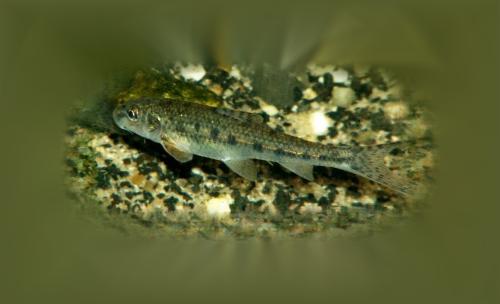
- Gudgeon
- Human Flea
- Dog Flea
- Oriental Rat Flea
- Hen Flea
- Northern Rat Flea
- chigoe flea
- Hedgehog Flea
- new zealand bat flea
- Martin Flea
- cat flea
- Ceratophyllus farreni
- Chaffinch Flea
- Rabbit Flea
- Mouse Flea
- sticktight flea
- Squirrel Flea
- Sparrow Flea
- Amalaraeus dissimilis
- Northern Flea
- Ceratophyllus chasteli
- wild boar
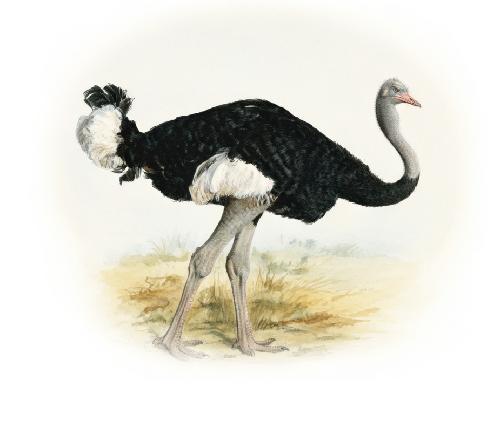
- somali ostrich
- Bed bug
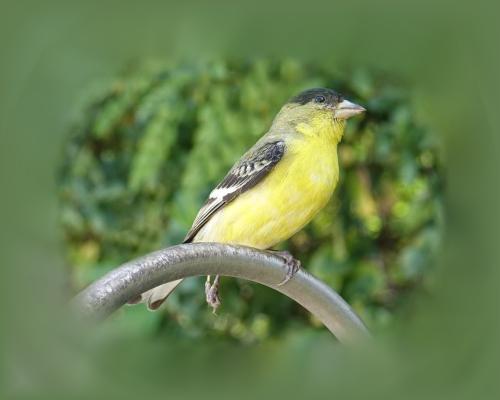
- eurasian siskin
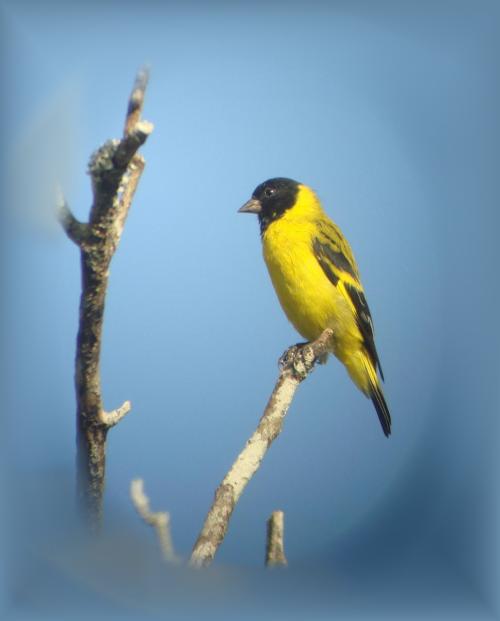
- Black-headed Siskin
- olivaceous siskin
- eurasian siskin
- eurasian siskin
Find your most suitable archetypes
Archetypes are facets of personality and behaviour: sometimes a hamster, sometimes a lion. Take a test for yourself, a friend or a pet.