






















The “Duck” archetype
Cultural context
In European tradition the mallard is the bird of the farmyard pond and the village green, a creature people associated with a full larder and a well-kept home. Folk memory made it practical rather than grand: a bird that leads its brood to the quietest reedbed, takes off at the first crack of a twig, and returns to the same water year after year. Those who recognise themselves in it tend to prize integrity and a settled household above glory. They would sooner keep the peace than win an argument, and they remember that safety, once lost, is slow to rebuild. Their loyalty is not showy; it shows up as the habit of being there on the bad days, steady in judgment and hard to talk out of what they know to be true.
Scales
Two currents run through this temperament. The first is plain honesty joined to modesty: the mallard type dislikes flattery, dislikes taking more than its share, and would rather be fair than be first. The second is a warm, forgiving manner that welcomes company and ideas it has not met before, backed by real discipline about order and promises. Add a sturdy constitution that shrugs off long hours and bad weather, a mind that likes to take a problem apart, and a quiet streak of resistance when a crowd leans on it, and you have someone far from timid in thought. Yet underneath sits a restless watchfulness. Sensitivity to other people's moods makes the mallard feel every ripple, and its willingness to sacrifice for those it loves often turns into avoiding any fight that might cost them peace.
Strong traits
Vigilance and honesty are the core of this archetype. A mallard on the pond never fully lowers its head: it notes the new shadow, the unfamiliar footstep, the figure on the bank that was not there yesterday. That alertness protects the flock, but it also makes real rest hard, since part of the mind keeps counting exits. Honesty works the same double way. People trust a mallard because it says what it sees and does what it says. The price is bluntness; the truth arrives unpadded, and a friend who wanted a softer landing may feel struck. Its strength is clarity and consistency, its weakness the diplomacy it never learned.
Noticeable traits
Loyalty comes next, and it is the thread that ties this archetype to its people. A mallard stays with the family through illness, money trouble and long winters, and does not keep score while doing so. The other side of that devotion is a grip on the past. Old addresses, old friends and old habits are hard to leave, so important decisions get postponed until circumstances make them for you. Because the mallard is always looking after someone else, its own needs slip down the list, and it may go years before noticing that it wanted something different.
Muted traits
Cowardice sounds harsher than the trait deserves; in a mallard it is a strong instinct for self-preservation that stays switched on even where nothing threatens. It declines the unnecessary gamble, takes the longer path around the fence, and so avoids many troubles that bolder souls walk straight into. The cost appears when a moment demands a firm stand. Then the mallard tends to retreat, find a reason to wait, or let someone else speak up, and later regrets the silence. Courage is there, but it needs a reason bigger than its own safety, usually the safety of someone it loves.
How to be around
Getting along with a mallard begins with reading its caution correctly: it is a form of care, not coldness. Arrive at the hour you promised, say plainly what you intend, and avoid surprises, however pleasant. When it studies you from a distance, let it. A mallard that has checked you out twice and found you consistent will eventually move closer by itself, and its trust, once given, is hard to shake.
With a woman
With a woman-duck, name aloud the careful planning behind something she recently finished, and be specific: the list she made, the backup she arranged. She rarely hears credit for diligence, since it looks unspectacular. Later, thank her for something she did for the family that nobody asked her to do. A plain "I noticed you handled that" will mean more than a bouquet and will tell her she can lower her guard.
With a man
A man-mallard keeps his days in a certain order, and he feels safest inside it. Before suggesting any change, ask him why the routine looks the way it does; he usually has solid reasons and enjoys explaining them. Then propose the adjustment as an addition that protects what he cares about, for instance a spare key, a second route or a written plan, so the new idea arrives as a safeguard rather than a threat.
With a teenage boy
With a teenage boy-duckling, take his worries about the future seriously even when they sound exaggerated. Sit down with him over one concrete task, such as comparing training courses or writing out what he would do if the first plan failed. Then step back and let him pick the method, even if it is not the one you would choose. A teenager of this kind carries his own watchfulness already and resents being managed.
With a teenage girl
A teenage girl-duckling often tidies her shelves or revises a lesson twice because ordering things gives her some control back. Don't tease her about it, and don't hurry her into a new circle of friends. She tests people slowly: a message answered, a secret kept. Pass those small tests, then leave a mug of tea by the desk and say you are around if she wants to talk.
With a child
With a child-duckling, skip the interrogation about what scares them at night. Ask them to draw the monster, or hand over a flashlight and let them inspect the room first. When they are explaining the rules of a game, hear the whole thing out before you object; a child who has been listened to feels the rules are safe.
With an animal
With an animal-mallard, set up a corner with a clear view of the door and a place to slip out of sight. Introduce visitors one at a time, and agree on a signal, a lowered hand or a particular word, that tells everyone the creature wants to be left alone. Reward each voluntary step toward you with food, not with a grab.
After a quarrel
To quarrel with a mallard or get under its skin, doubt its word in front of others, then change the plan without telling it. Few things wound this archetype more than being called a liar, or being caught off guard on ground it thought it had secured. A woman-duck bristles when her careful arrangements are overturned by someone who never checked with her. A man-mallard goes cold when his caution is mocked as fear, and he may stop speaking for days rather than shout back. A teen boy flares up when he is pushed on stage, and a teen girl when her confidences travel. A child-duckling is rattled by slammed doors; an animal-mallard by a hand reaching from behind while it scans the room. The quarrel rarely explodes. It hardens into quiet withdrawal that can last long after the cause is forgotten.
How to befriend
To befriend a mallard or win it over, be exactly as reliable as you claim to be. Keep small promises first; the big ones are judged by them. A woman-duck warms to shared practical work, such as planning a trip together or sorting out a family tangle. A man-mallard opens up when you ask for his opinion on a risk and then actually weigh it. Teens of either kind respond to being trusted with something real, a key or a secret you will protect. A child-duckling melts at hide-and-seek where you play the guard, and an animal-mallard comes closer for patient feeding at a fixed time, day after day.
Similar archetypes
Close facets: images with a similar set of qualities.
- giraffe
- rhodesian giraffe
- Angolan Giraffe
- Reticulated Giraffe
- Reticulated Giraffe
- Southern Giraffe
- Angolan Giraffe
- giraffe
Complete opposite
The opposite facet: images whose qualities point the other way.
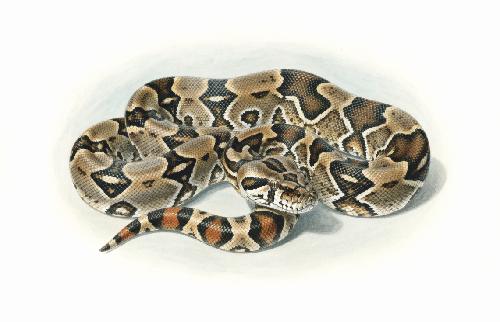
- Boa
- Golden Jackal
- Turkey
- Human Flea
- Dog Flea
- Oriental Rat Flea
- Hen Flea
- Northern Rat Flea
- chigoe flea
- Hedgehog Flea
- new zealand bat flea
- Martin Flea
- cat flea
- Ceratophyllus farreni
- Chaffinch Flea
- Rabbit Flea
- Mouse Flea
- sticktight flea
- Squirrel Flea
- Sparrow Flea
- Amalaraeus dissimilis
- Northern Flea
- Ceratophyllus chasteli
- Horsefly
- Bed bug
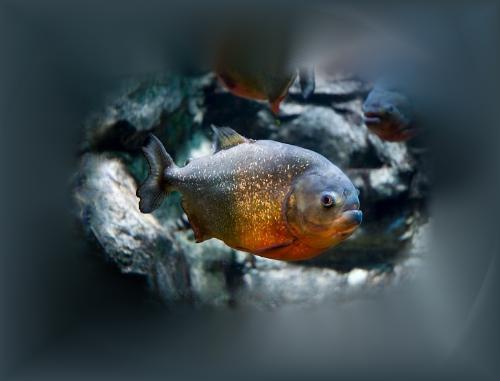
- Piranha
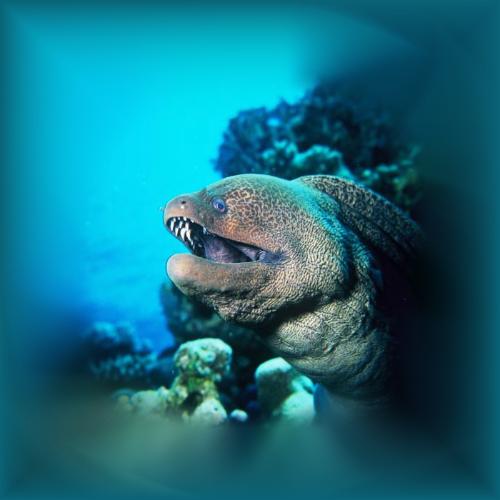
- laced moray
- eel
- dark moray
- giant moray
Find your most suitable archetypes
Archetypes are facets of personality and behaviour: sometimes a hamster, sometimes a lion. Take a test for yourself, a friend or a pet.