










The “Tunisian tortoise” archetype
Cultural context
The common tortoise carries an ancient passport stamped in four distant courts. Japanese ink-brushes traced its domed back as the island upon which the world rests, its shell a slow-turning axis for seasons and empires. Greek thinkers watched its measured steps and heard in them the ticking of a deeper metronome, a lesson against the rush of market and agora. In India the god Vishnu once took its shape, holding up the churning ocean so that life itself would not drown. Across Chinese hills the same creature is painted guarding the scrolls of heaven, its progress through grass a map of how wisdom is laid down, grain by grain, century by century.
Scales
In these traditions the common tortoise reads time the way a mason reads stone: every fissure promises a future crack, every sun-warmed slab a chance for patient repair. It turns questions over and over until the grain shows, preferring the slow polish of thought to the glitter of quick answers. New sights and climates do not frighten it; it simply notes their angle and weight, filing them beside older knowledge rather than discarding the old for the thrill of arrival. Its spirit leans toward the unseen order that binds soil to sky, and the same quiet current keeps its body moving when others have already stopped. Even its reserve feels less like retreat than like a door left ajar, ready for company yet never flung wide in greeting.
Core traits
Resilience in the common tortoise is not the flash of recovery after injury but the daily refusal to be hurried off its chosen line. Under summer drought or winter flood it keeps the same deliberate gait, each footfall pressing the same measured claim upon the earth. The shell, grown thick through seasons of heat and frost, becomes both fortress and calendar; inside it the creature can outwait famine, flood, or the brief hysteria of predators. Yet this same constancy may leave it lingering at the edge of a dried stream long after safer routes have opened elsewhere, its caution turning every new shadow into a reason to stay put one more day.
Strong traits
Wisdom arrives in the common tortoise as a slow sediment, each year adding another clear layer through which light still passes. It does not boast accumulated facts; instead it recognises the single vein that runs beneath scattered stones and names the pattern before others have finished counting. Calmness travels with it like the scent of warm resin, steadying the air around it even when wind or footfall signals alarm. In that stillness the creature can wait for the danger to pass or the opportunity to ripen, yet the same composure may keep it from noticing when a nestling’s first cry carries a note of genuine distress rather than ordinary hunger.
Noticeable traits
Protection shows itself in the common tortoise as an instinctive widening of the shell’s shadow: anything that has once rested beneath that dome is thereafter counted among its own. When a footstep or a scent crosses the invisible boundary, the animal pivots without flourish, placing its armoured flank between the threat and whatever it shelters. Honesty rides beside this vigilance, plain as the rasp of its claws on gravel; it offers no softened version of the terrain ahead, only the unvarnished layout of rock and root. The same directness can leave a smaller creature startled by the sudden map laid out without preamble or cushioning phrase.
Muted traits
Cowardice in the common tortoise is less a tremor than a careful ledger of exits. Even on ground it has crossed a hundred times, it pauses to weigh the slope of each stone and the echo of its own footfall. The habit keeps it alive when real hazard appears, yet it may also cause the animal to draw back from a perfectly safe patch of new clover simply because the light falls differently there.
How to be around
To move in step with a common tortoise is to accept that its rhythm already contains its own reasons. Offer your presence as steady ground rather than urgent wind; let the creature set the interval between one considered step and the next.
With a woman
A woman shaped by the common tortoise gathers tasks the way the shell gathers warmth, layer after layer, until the day holds its own quiet architecture. She will study a problem from every usable angle before she speaks, so place your question beside her work rather than in front of it; she will turn it over until its grain shows. When she finally answers, the words carry the weight of hours already spent, and any impatience on your part will only make the next interval longer.
With a man
A man who carries the common tortoise’s patience listens for the centre of a story before he answers. He welcomes a fresh fact as a mason welcomes a new chisel, testing its edge against what he already knows. Give him the detail without demanding an instant verdict; he will file it beside older observations until the whole structure stands clear enough to walk around.
With a teenage boy
A teenage boy who moves like the common tortoise keeps his thoughts aligned with an inner plumb line even when the room tilts. He may sit through a noisy argument without adding his voice, yet later he can trace the single thread that still holds. Let the conversation rest between you like a shared shadow; he will speak when the angle of light feels right, and the words will already have been tested against both tradition and the day’s new weather.
With a teenage girl
A teenage girl who shares the common tortoise’s carapace treats every offered plan as a possible weight on her back. She will test its balance before she agrees to carry it, and she will quietly shift anything that threatens to tip. Stand beside her while she makes the adjustment; do not reach to lift the load yourself unless she asks. Her strength lies in the measured refusal, not in the dramatic rescue.
With a child
A child who keeps the common tortoise’s honesty will name a crooked drawing as crooked and a fair rule as fair, without embroidery. When the truth lands sharply, stay with the sting instead of softening it; the child is already weighing whether the next sentence will be trusted. Offer the next small choice—blue cup or red—and let the plain answer arrive in its own unhurried time.
With an animal
An animal bearing the common tortoise’s caution will pause at the threshold of any new enclosure until the air itself has been tasted. Place food and water at the edge of its chosen corner and then step back; it will approach only after the space has proved itself empty of sudden movement. Once settled, it will accept the same corner tomorrow and the day after, provided nothing has altered the light or the scent of the floor.
After a quarrel
The common tortoise builds its days around an invisible grid of duties and safe distances; anything that kicks that grid out of true is felt as an attack on the shell itself. A woman will close her schedule against the person who keeps rearranging her tasks without notice. A man will harden into silence if his careful sequence of steps is declared unnecessary in front of others. A teenage boy will retreat behind textbooks when his long-considered plan is mocked as overly slow. A teenage girl will withdraw her cooperation the moment her private boundary is treated as public property. A child will refuse the next offered choice if today’s routine has already been overturned twice. An animal will pull every limb inside its shell if a hand reaches for it while it is still deciding whether the floor is safe.
How to befriend
Friendship with the common tortoise grows where repetition is honoured and small kindnesses are allowed to accumulate like rings inside horn. A woman values the friend who appears at the same hour each week without needing to be asked. A man remembers the one who waits for his answer instead of supplying it. A teenage boy warms to the companion who lets a shared silence stretch until a single, well-placed question fits. A teenage girl trusts the person who keeps her private map of thresholds exactly as she left it. A child feels steadier beside the adult who keeps the same reading chair and the same tone of voice. An animal accepts the hand that always sets the bowl down in the same place and then withdraws without waiting for thanks.
Similar archetypes
Close facets: images with a similar set of qualities.
- greek tortoise
- Greek Tortoise
- afghan tortoise
- leith's tortoise
- margined tortoise
- mediterranean spur-thighed tortoise
- western hermann's tortoise
- hermann's tortoise
Complete opposite
The opposite facet: images whose qualities point the other way.
- Turkey
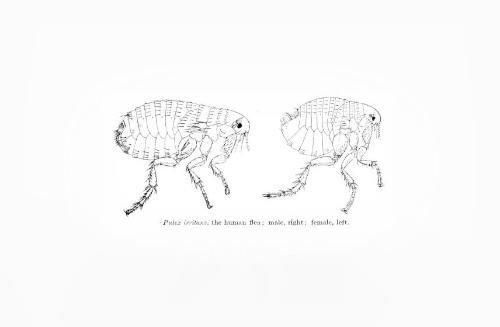
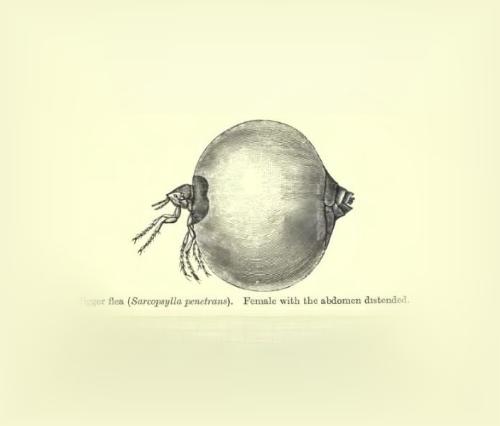
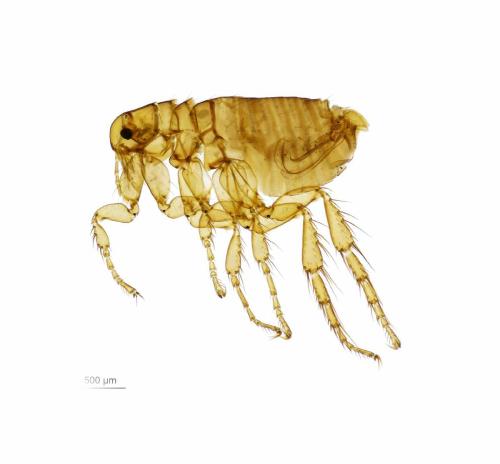
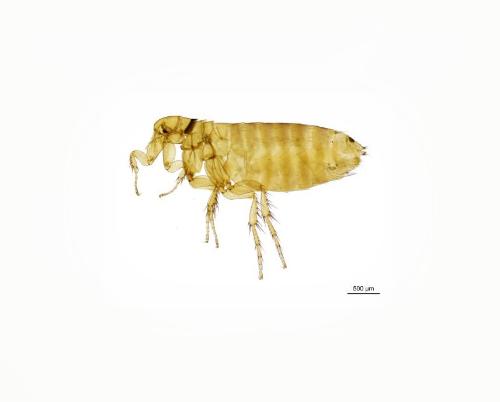
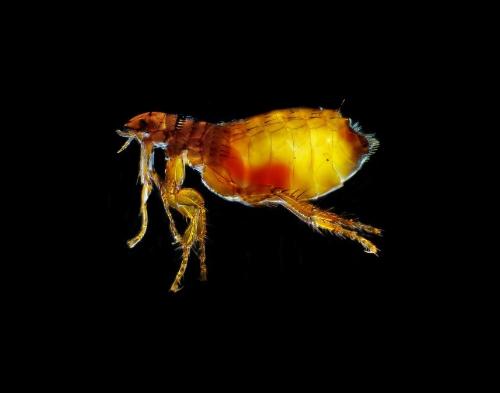
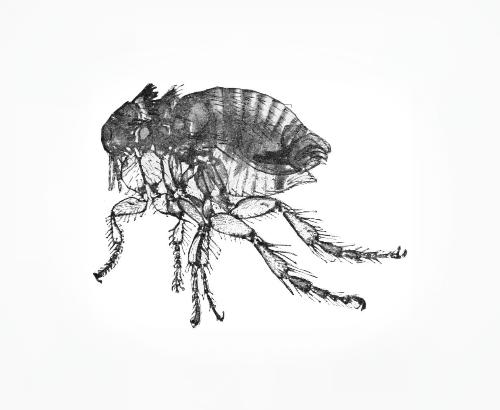
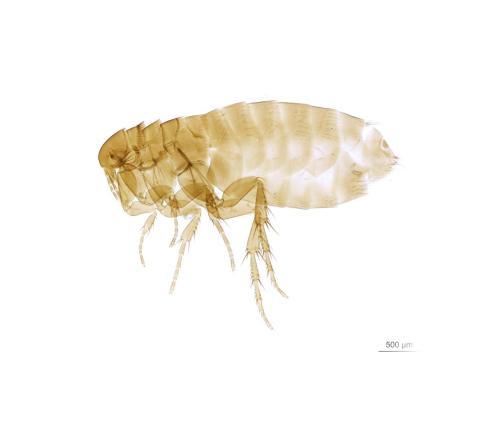
- Human Flea
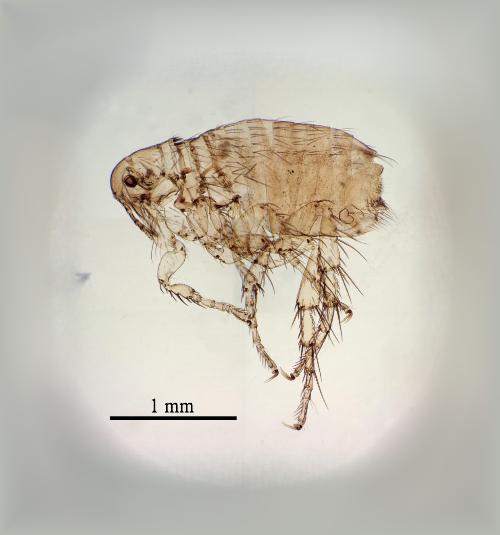
- Dog Flea
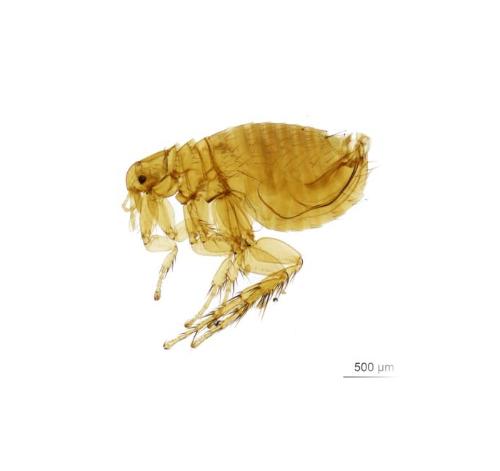
- Oriental Rat Flea
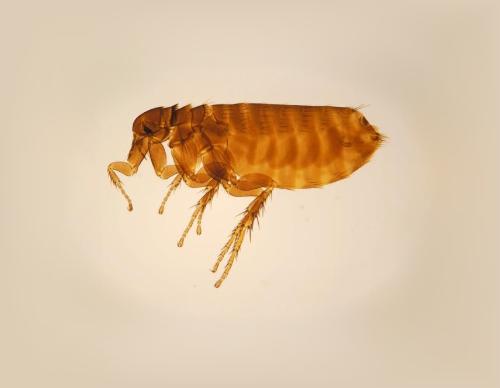
- Hen Flea
- Northern Rat Flea
- chigoe flea
- Hedgehog Flea
- new zealand bat flea
- Martin Flea
- cat flea
- Ceratophyllus farreni
- Chaffinch Flea
- Rabbit Flea
- Mouse Flea
- sticktight flea
- Squirrel Flea
- Sparrow Flea
- Amalaraeus dissimilis
- Northern Flea
- Ceratophyllus chasteli
- Bed bug
- Blanc de l'Ouest Pig
- Golden Jackal
- common european toad
- laced moray
- eel
- dark moray
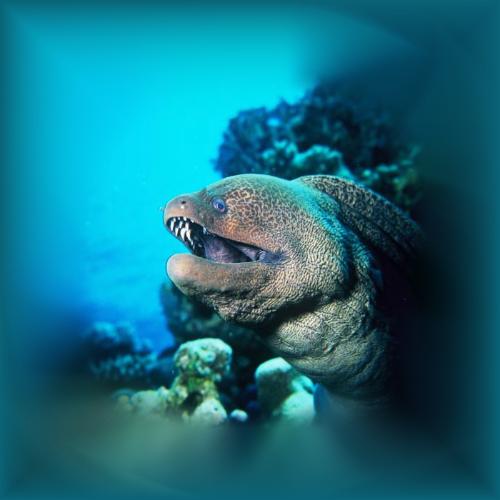
- giant moray
- congo
Traits and their opposites
Each trait of this archetype — and what is opposite to it.
- Resilience ↔ Fragility
Find your most suitable archetypes
Archetypes are facets of personality and behaviour: sometimes a hamster, sometimes a lion. Take a test for yourself, a friend or a pet.