




















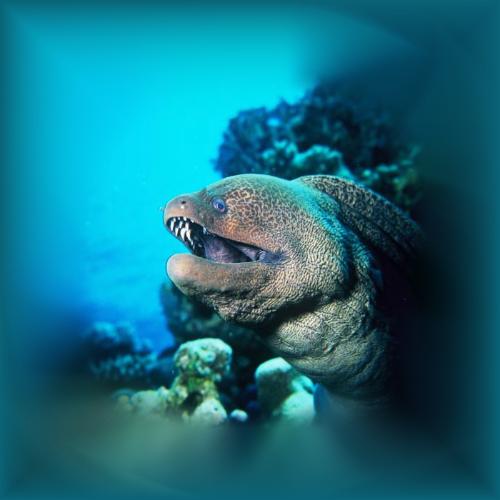

The “Egyptian tortoise” archetype
Cultural context
Japanese painters set the tortoise upon lacquered screens as the emblem of measured time, a creature that carries centuries on its back like a lacquered box of poems. Greek thinkers saw in the same slow steps the steady unfolding of reason, the world understood not in a flash but grain by grain, while Indian sages heard the same measured tread in the measured recitation of an ancient hymn. Chinese ink masters sketched its shell as the vault of heaven itself, fixed and unmoving, a silent counterweight to the wind of changing fashion. In all these traditions the tortoise speaks with the same quiet voice: endurance is the truest form of courage, and the surest wisdom lies in simply continuing.
Scales
Through these traditions the tortoise appears as a creature of deep thought, its gaze fixed upon the layered patterns of rock and root rather than chasing the next passing shadow. It meets the unknown with a slow, deliberate openness, tasting each new scent of earth before deciding whether to step forward or remain where it stands. Its inner life turns toward an inward bond with the land, a sense of belonging that needs no altar. Vitality in this creature shows itself as a long, even flame rather than a sudden blaze, a steady warmth that outlasts many brighter fires. It moves through the world with a seriousness that leaves little room for idle play, yet in rare moments it will pause to watch a beetle cross its path as if reading a small, unexpected chapter. Honesty governs every step it takes across the dust; fairness and modesty are written into the very curve of its shell. It keeps its days in quiet order, following the rhythm of sun and shadow without haste or rebellion, content to walk alone when the path demands it.
Core traits
Resilience sits at the center of the tortoise’s being, the quiet power that lets it move forward through drought and storm without complaint. Its shell is more than armor; it is the visible record of years spent bearing weight and heat, a living archive of endurance. When the ground cracks and the grasses wither, the tortoise simply lowers its head and keeps its course, trusting that rain will return in its own season. This same steady strength, however, can turn cautious to the point of hesitation, the animal pausing at the edge of a familiar path long after danger has passed. Its patience becomes a double-edged gift, sheltering it through hardship yet sometimes slowing its response when swift action is needed.
Strong traits
Wisdom gathers in the tortoise like water in a stone basin, fed drop by drop from each season of sun and shade. It does not chase every new scent on the wind; instead it studies the slow turn of shadows across its shell, learning the language of light and silence. Calmness travels with this knowledge, a stillness that lets the creature rest even when jackals pass nearby or dust devils spin across the plain. In the quiet of midday the tortoise can stand unmoving, a living anchor for any smaller creature that seeks shade beneath its carapace. Yet this same calm can drift into detachment, the tortoise withdrawing so completely into its shell that it misses the small tremors of fear or joy in those around it.
Noticeable traits
Protection lives in the tortoise’s very shape, the dome of bone and horn that shields both itself and any hatchling tucked beneath its belly. When a hawk’s shadow crosses the sand, the animal halts and braces, ready to become a living wall between threat and kin. Honesty runs through its movements as plainly as the straight line it leaves in the dust, each step an honest record of its intention. It never feigns speed it does not possess, nor hides the weariness in its limbs; its truthfulness can sometimes cut as sharply as its beak, leaving little room for the gentle lies that ease social passage.
Muted traits
A trace of cowardice lingers in the tortoise, a quick retreat into its shell even when the only danger is an unfamiliar shadow or a sudden gust of wind. This instinct keeps it safe from needless risk, yet it can also hold the animal back when a single bold step would open a clearer path. In the hush after danger has passed, the tortoise may remain sealed inside its armor long after the threat has moved on, its caution outlasting the moment that first called it forth.
How to be around
To move alongside a tortoise is to match its deliberate rhythm and to trust that silence between steps carries its own meaning. Offer observations rather than commands, and allow the creature time to test the ground before it commits to any new direction.
With a woman
When a woman carries the tortoise’s measured stride, she weighs each choice with the depth of thought that comes from long observation. She will study every angle of a decision before she moves, so give her the hours she needs rather than pressing for an answer before the light changes. If she lingers over details that seem small to others, remember that her analysis protects the whole path ahead, not merely the next step.
With a man
A man shaped by the tortoise meets each new possibility with a careful curiosity, tasting the unknown before he steps into it. He learns from seasons past rather than from hurried counsel, so speak to the pattern he already sees instead of urging him toward untried ground. When he hesitates, it is not fear but the slow turning of experience that holds him back until the next clear sign appears.
With a teenage boy
A teenage boy who moves like the tortoise keeps an inner quiet even when the air around him grows loud. He seeks a meaning that cannot be rushed, and he may turn away from customs that feel empty to him. Stand beside his stillness without demanding he explain it; his calm can steady others, yet it may also keep his own feelings at a distance until he is ready to name them.
With a teenage girl
A teenage girl with the tortoise’s protective shell will guard those she loves with steady attention, sometimes tightening her watch until it feels like a cage. She draws strength from her own endurance and prefers to solve problems without leaning on others. Trust her to set her own pace, and offer help only when she asks; her self-reliance grows stronger when it is respected rather than questioned.
With a child
A child who shares the tortoise’s honesty will speak plainly about what they see, even when the truth lands without cushion. They study small things with serious attention, watching an ant cross a leaf as though it carried news from another world. Let them finish their own thoughts before you answer, and do not rush them toward play they have not chosen; their quiet resistance to pressure is part of how they learn to stand alone.
With an animal
An animal tortoise will withdraw into its shell at the smallest shift in light or sound, a faint but constant caution that keeps it safe. It values the honesty of a steady routine and the modesty of a shaded corner where no eyes intrude. Leave it to rest without sudden movement or loud voices; its reserve is not rejection but the simple need to measure the world before it offers trust.
After a quarrel
The tortoise grows unsettled when its careful order is broken or when its strength is tested without warning. A woman withdraws when new tasks pile onto an already measured day; a man turns inward when his steady plan is questioned mid-step; a teenage boy hardens when his quiet focus is scattered by noise; a teenage girl closes her shell if her endurance is mocked; a child retreats when asked to hurry through something they are still examining; an animal stops moving altogether if its path is blocked without reason.
How to befriend
Friendship with the tortoise deepens through gentle cooperation and small acts of quiet help offered without demand. A woman draws nearer when someone shares her patient watch over what matters; a man feels trust grow when another respects his chosen rhythm without trying to quicken it; a teenage boy opens when his search for meaning is met with steady, unhurried presence; a teenage girl softens when her strength is met with equal steadiness rather than rescue; a child warms when their honest observations are received without correction; an animal accepts company when the shared space remains calm and predictable.
Similar archetypes
Close facets: images with a similar set of qualities.
- greek tortoise
- Greek Tortoise
- afghan tortoise
- leith's tortoise
- margined tortoise
- mediterranean spur-thighed tortoise
- western hermann's tortoise
- hermann's tortoise
Complete opposite
The opposite facet: images whose qualities point the other way.
- Turkey
- Human Flea
- Dog Flea
- Oriental Rat Flea
- Hen Flea
- Northern Rat Flea
- chigoe flea
- Hedgehog Flea
- new zealand bat flea
- Martin Flea
- cat flea
- Ceratophyllus farreni
- Chaffinch Flea
- Rabbit Flea
- Mouse Flea
- sticktight flea
- Squirrel Flea
- Sparrow Flea
- Amalaraeus dissimilis
- Northern Flea
- Ceratophyllus chasteli
- Bed bug
- Blanc de l'Ouest Pig
- Golden Jackal
- common european toad
- laced moray
- eel
- dark moray
- giant moray
- congo
Traits and their opposites
Each trait of this archetype — and what is opposite to it.
- Resilience ↔ Fragility
Find your most suitable archetypes
Archetypes are facets of personality and behaviour: sometimes a hamster, sometimes a lion. Take a test for yourself, a friend or a pet.