










The “Greek Tortoise” archetype
Cultural context
Across the rocky ridges and thyme-scented hills of the Aegean, the Greek tortoise has held a quiet place in the oldest stories. Greek eyes saw a creature that moved as steadily as the turning seasons, neither hurrying nor pausing, its dome-shaped shell the very image of a steadfast heart. Philosophers and poets alike took the animal’s measured tread as proof that excellence grows through patient, unshowy work, and they placed its likeness on coins and mosaics to remind citizens that lasting worth comes only to those who can bear the slow weight of time.
Scales
In the ancient gaze the tortoise lives within the heavy press of time, its thoughts sinking deep into each small decision as roots drink from stony soil. It greets the unknown with steady curiosity rather than fear or haste, yet it keeps the thread of memory unbroken, seeking meaning in the quiet repetition of sun and shadow. Endurance runs beneath its skin like stored water in a drought, and it honours the strength of honest limits more than the glitter of quick victories, even as it prefers its own company to the noise of crowds.
Core traits
Resilience lies at the centre of the Greek tortoise like the slow, unbreakable grain inside olive wood. When the summer sun hardens the ground, the animal does not crack; it simply presses on, absorbing heat and dust until cool nights return. That same quiet strength can turn rigid, however, holding the creature to a single path even when a fresh trail appears, as if the shell itself resists bending to any new wind.
Strong traits
Wisdom and calmness travel together in the tortoise’s measured gait. It has watched the same hills through countless springs and storms, reading the language of shifting shadows until patterns rise like faint carvings on its shell. When others rush or panic, the animal stays still, offering a silent centre; yet the same calm can delay action until the moment for choosing has slipped past like water through dry grass.
Noticeable traits
A strong current of protection and honesty moves beneath the tortoise’s quiet surface. It will block its burrow with its own body rather than let an intruder reach the eggs beneath, and its words, when they come, land without ornament or detour. That plainness builds trust, yet it can sting like sharp thyme in the mouth when the truth arrives without softening.
Muted traits
A thread of cowardice runs thin but steady through the Greek tortoise. At the slightest vibration of danger it draws head and legs inside the shell, even when the footfall is only wind across stones. This quick retreat keeps the creature alive, though it sometimes leaves opportunity standing outside, waiting unnoticed while the animal stays curled in the dark.
How to be around
To move beside the Greek tortoise, match its unhurried rhythm and leave space for long silences. The animal trusts those who appear regularly and speak without haste, allowing it to weigh each new presence as carefully as it weighs a fallen fig before tasting.
With a woman
When a woman carries the tortoise’s steady patience, she builds long projects the way the animal stacks one careful step upon another. She pauses over choices with the same depth of thought that turns a single leaf into a map of seasons, and she welcomes analysis far more than rushed solutions; yet if the task grows too tangled she may linger, weighing every angle while daylight fades.
With a man
A man of the same pattern gathers experience the way the tortoise gathers years, letting each memory settle before he speaks. He meets fresh ideas without alarm, turning them over like stones to see what lives beneath, yet the same habit of careful looking can keep him from stepping onto untried ground when a quicker leap would serve.
With a teenage boy
A teenage boy shaped by this archetype keeps his thoughts clear even when tempers rise, becoming the quiet point others drift toward. He searches for meaning in small rituals and old tools, yet he may hold back from the group’s newest plans, sensing that tradition, once broken, cannot be mended like a cracked shell.
With a teenage girl
A teenage girl with the tortoise’s protective instinct stands between her friends and any sudden threat, her endurance surprising those who expect softness. She values the strength that comes from standing alone when needed, and she keeps her own counsel rather than asking others to decide her path.
With a child
A child of this temperament speaks the truth plainly, even when the words land hard, and the clarity of that honesty draws others close. At the same time the child meets every game with solemn attention, treating a line of pebbles as seriously as an ancient boundary, and resists any rule that feels unfair to the smallest player.
With an animal
An animal of the Greek tortoise kind withdraws at the first hint of threat, pulling into its shell before danger has even shown its face. It keeps its modest distance from strangers, yet once trust is earned it offers a quiet, fair presence that asks nothing more than the space it has already claimed.
After a quarrel
The Greek tortoise answers pressure with stillness rather than noise. A woman will continue her work in silence, letting the argument dissolve against her steady discipline. A man sets his feet and refuses to shift, his physical weight itself becoming an argument. A teenage boy closes his notebook and walks away, order restored by absence. A teenage girl meets every raised voice with an unmoving stare that cools the room. A child curls around a favourite stone and will not be moved until the air clears. An animal simply seals its shell, its strength and stillness turning every further word into an echo against stone.
How to befriend
Friendship with the Greek tortoise grows through gentle, repeated gestures rather than sudden closeness. A woman warms to anyone who offers help without being asked, her gratitude shown in quiet tolerance of small faults. A man values a companion who listens before speaking and never claims credit for shared labour. A teenage boy draws nearer when someone sits nearby without demanding conversation. A teenage girl accepts a friend who waits outside the circle until invited inside. A child opens up to the one who defends its small territory without taking charge. An animal learns to trust the hand that brings food and then withdraws, leaving peace behind.
Similar archetypes
Close facets: images with a similar set of qualities.
- greek tortoise
- afghan tortoise
- leith's tortoise
- margined tortoise
- mediterranean spur-thighed tortoise
- western hermann's tortoise
- hermann's tortoise
- Tunisian tortoise
Complete opposite
The opposite facet: images whose qualities point the other way.
- Turkey
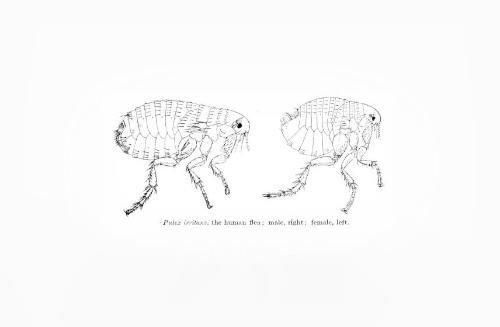
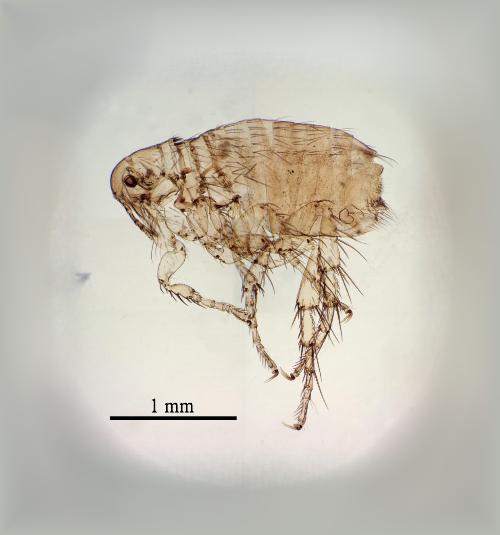
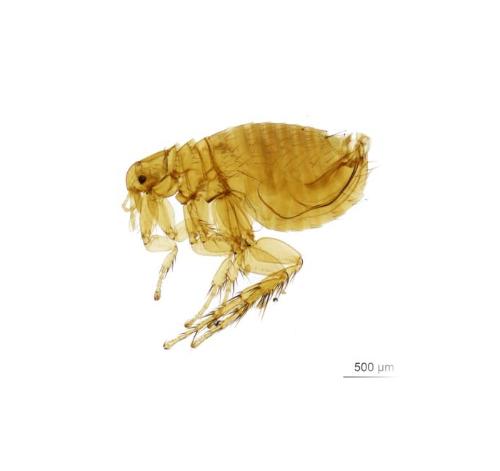
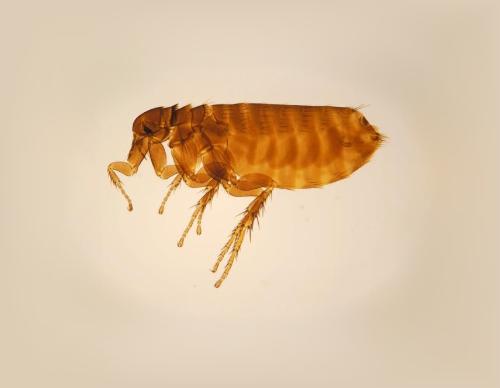
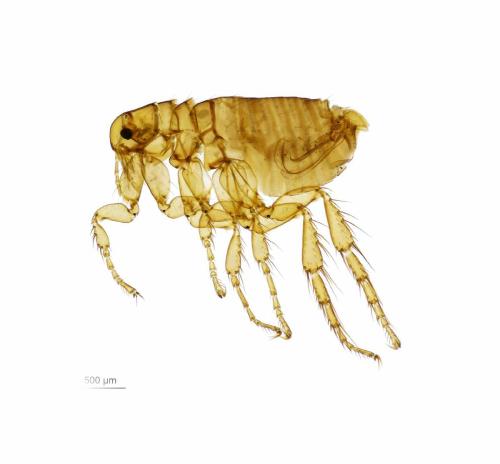
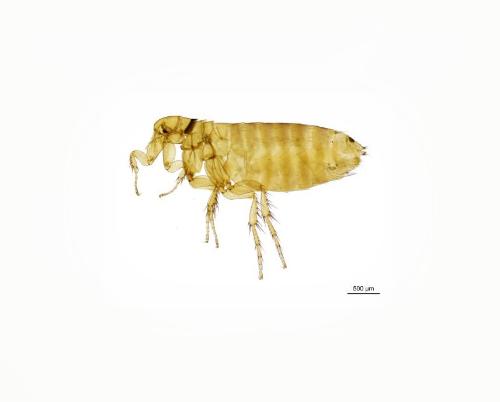
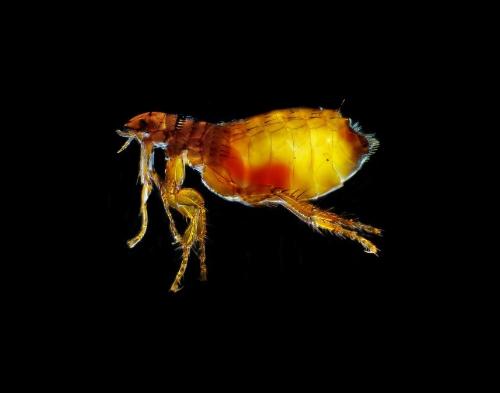
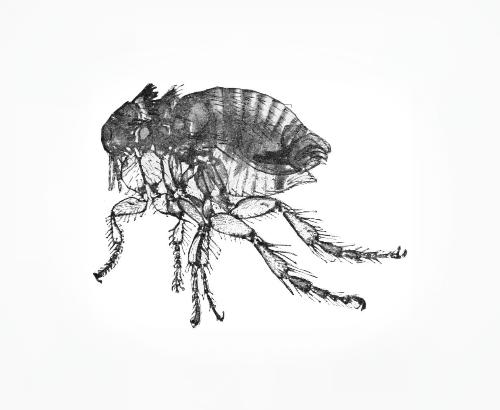
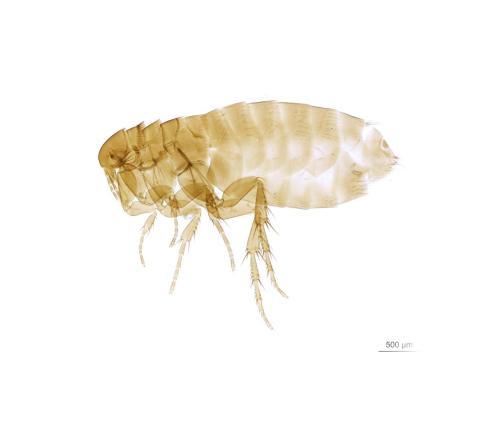
- Human Flea
- Dog Flea
- Oriental Rat Flea
- Hen Flea
- Northern Rat Flea
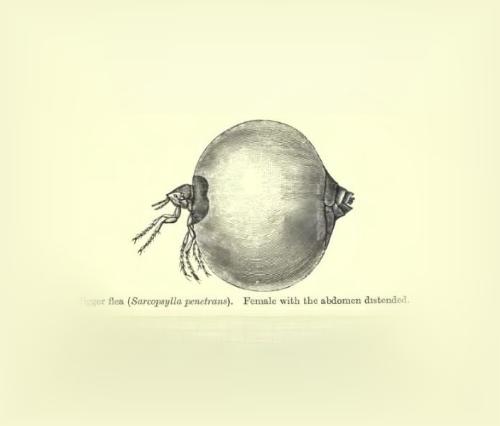
- chigoe flea
- Hedgehog Flea
- new zealand bat flea
- Martin Flea
- cat flea
- Ceratophyllus farreni
- Chaffinch Flea
- Rabbit Flea
- Mouse Flea
- sticktight flea
- Squirrel Flea
- Sparrow Flea
- Amalaraeus dissimilis
- Northern Flea
- Ceratophyllus chasteli
- Bed bug
- Blanc de l'Ouest Pig
- Golden Jackal
- common european toad
- laced moray
- eel
- dark moray
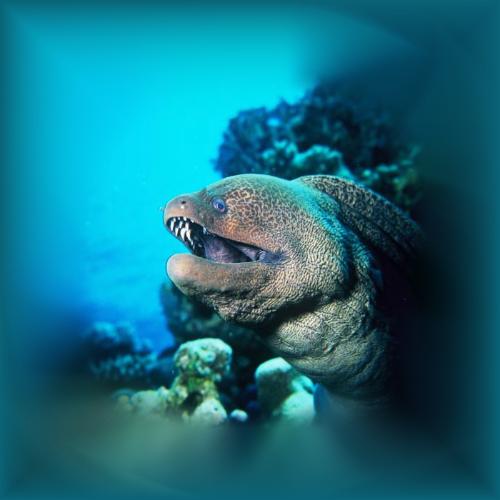
- giant moray
- congo
Traits and their opposites
Each trait of this archetype — and what is opposite to it.
- Resilience ↔ Fragility
Find your most suitable archetypes
Archetypes are facets of personality and behaviour: sometimes a hamster, sometimes a lion. Take a test for yourself, a friend or a pet.