











The “Hellenic tortoise” archetype
Cultural context
Across the terraced gardens of Japan and the marble courtyards of ancient Greece, Testudo hellenica moves like a slow breath drawn across centuries. Indian householders set its likeness beside the door so that the house itself may learn to outlast seasons, while in China its curved shell is read as the quiet roof of memory. Each measured step leaves a faint track that rain erases only after many moons, a living record of time kept without hurry.
Scales
Tradition sees in its plodding advance a mind that turns every stone before stepping, an intellect that pauses at the edge of each new patch of moss and weighs scent, shadow and soil. The same creature, however, will lift its blunt snout toward an unfamiliar breeze and follow it farther than the day’s warmth suggests, open to whatever the wind may carry. Inside that steady shell a quiet pulse seeks the larger order beneath leaf-fall and stone, while the body itself keeps a long, uncomplaining watch over the patch of earth it claims.
Core traits
Resilience runs through Testudo hellenica like the grain in ancient oak: the creature can stay motionless beneath a sudden downpour, then resume its path as though the water had never fallen. Patience gathers slowly, built of countless small decisions to keep moving or to wait; that same patience sometimes delays the first step toward safer ground when change is needed. The shell, thick with rings of growth, shelters the slow pulse within, letting storms pass overhead while the animal remains unchanged at its core.
Strong traits
Wisdom rests in the creature’s unhurried survey of every new stone and shadow, reading the slope of the land as a record of past rains. Calmness spreads outward from its unmoving head like the cool scent of moss at midday, steadying any smaller life that pauses beside it. Yet both qualities can linger too long at the brink of action, the shell half-lifted while the moment for crossing slips away.
Noticeable traits
Protection shows in the way Testudo hellenica angles its body between open ground and the nest hollow, head turning at every rustle in the grass. Honesty appears as a direct retreat or advance, never feinting or circling; the motion is plain, the boundary clear. Both habits can close the circle too tightly, leaving the creature suspicious of any stranger that crosses the scent line it has drawn.
Muted traits
Cowardice flickers only as a faint tightening of the limbs when an unexpected shadow sweeps across the shell, a brief pause before the next step is risked. The hesitation keeps the animal from needless exposure, yet once or twice in a season it may pull back from a patch of sun that is perfectly safe, choosing the shade it already knows.
How to be around
To move comfortably beside Testudo hellenica, match its rhythm rather than urge it forward. Offer steady ground and a clear path; sudden noises or quick rearrangements of its space will cause the head to draw inward until the disturbance passes.
With a woman
A woman who carries the same deep patience will finish a long task without fanfare; sit nearby with the tools she may need later and let her set the order of work. She weighs each new suggestion against the grain of what she has already built, so speak plainly about any change and give her time to test the idea against the whole plan before she answers.
With a man
A man of this kind will study an unfamiliar tool or path for a long while before touching it; bring the object into view, leave it within reach, and step back while he turns it over in his mind. He welcomes a fresh angle only after he has placed it beside everything he already understands, so wait for his first careful question rather than pressing an explanation.
With a teenage boy
A teenage boy keeps a quiet distance when feelings run high, his stillness mistaken for indifference; offer a single, steady task that needs no words and let him work beside you in silence until the edge of the moment softens. He may turn from family ritual yet still seek the same patch of shade each evening, finding his own small order within the larger one he seems to reject.
With a teenage girl
A teenage girl shields her projects the way the shell shields its hidden chambers; ask once whether she wants the door closed and then leave the choice to her. She draws strength from finishing what she begins, even when the work seems small to others, and any offer of help must arrive without taking the work from her hands.
With a child
A child speaks the exact size of a hurt or a discovery without softening the edges; answer with the same plain measure and do not dress the truth in extra words. The child’s play often follows one narrow track for a long stretch of morning light; place the needed pieces within reach and let the line of attention remain unbroken.
With an animal
An animal of this kind will freeze at a sudden footfall even on familiar ground; move slowly, keep your scent steady, and give the creature a clear line of retreat to its shelter. It prefers the same corner of straw each evening and will accept a quiet presence only after the routine has been repeated without surprise.
After a quarrel
Testudo hellenica draws its boundaries with the same care it uses to choose each footfall, and any crossing of those lines brings a slow, immovable stillness rather than noise. A woman feels the trespass most when her careful schedule is rearranged without warning; a man when the order of his work is questioned mid-step; a teenage boy when an unfinished task is taken from his hands; a teenage girl when her private corner is entered without permission; a child when a single repeated motion is broken by an impatient voice; an animal when its chosen resting place is lifted or shifted.
How to befriend
Friendship with Testudo hellenica grows from repeated, unhurried presence rather than sudden gestures of warmth. A woman accepts company most readily when it arrives already equipped to share the next stretch of work; a man when the other person waits without comment while he finishes his own thought; a teenage boy when the companion simply occupies the same quiet patch of shade; a teenage girl when her careful arrangements are noticed and left untouched; a child when the adult places the next needed piece without asking what comes after; an animal when the same hand appears at the same hour each day and then withdraws without demand.
Similar archetypes
Close facets: images with a similar set of qualities.
- greek tortoise
- Greek Tortoise
- afghan tortoise
- leith's tortoise
- margined tortoise
- mediterranean spur-thighed tortoise
- western hermann's tortoise
- hermann's tortoise
Complete opposite
The opposite facet: images whose qualities point the other way.
- Turkey
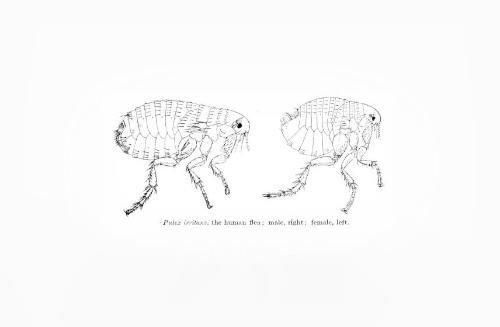
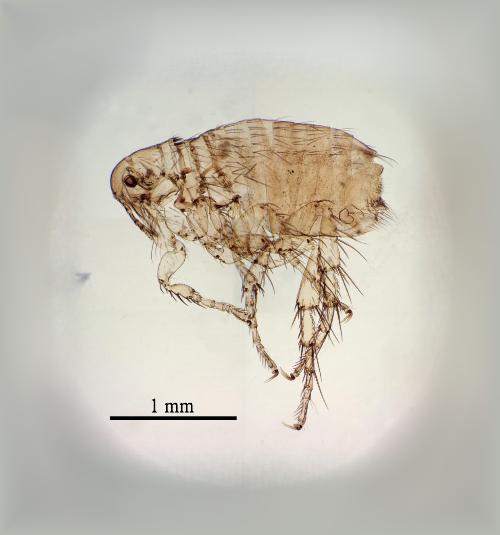
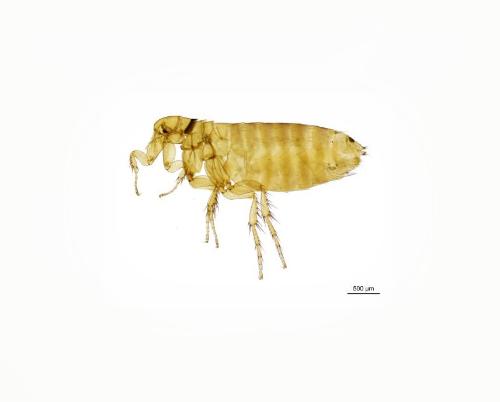
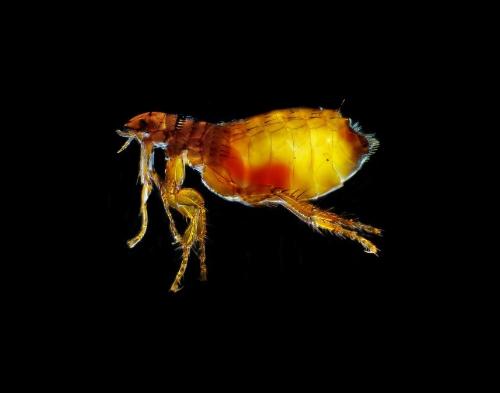
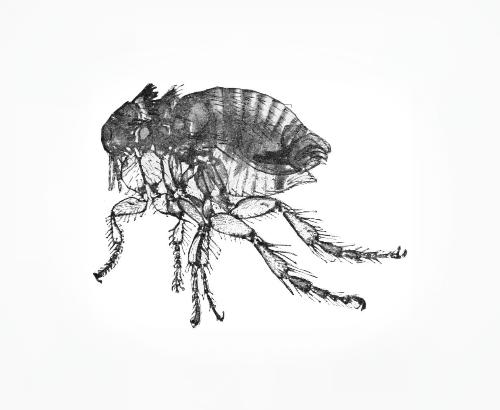
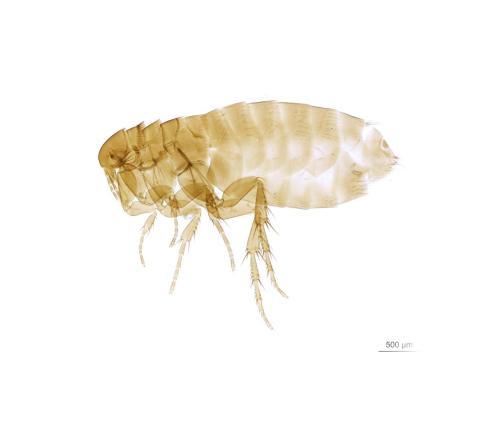
- Human Flea
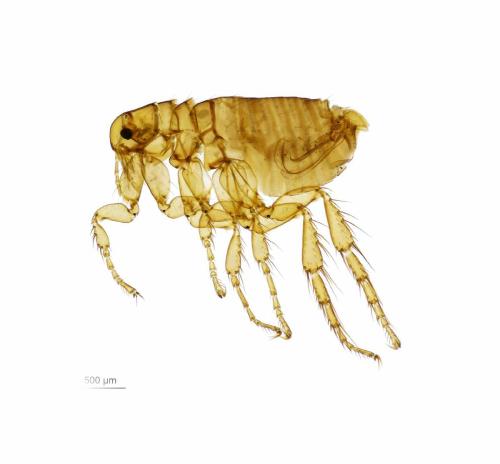
- Dog Flea
- Oriental Rat Flea
- Hen Flea
- Northern Rat Flea
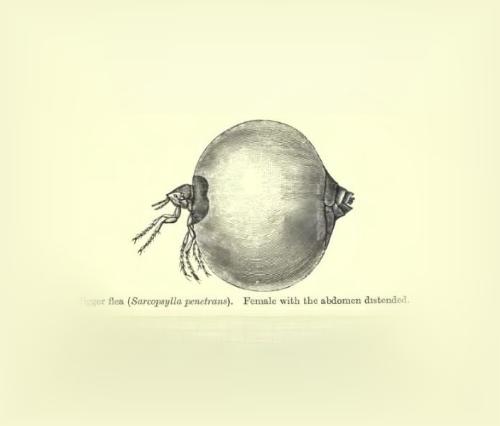
- chigoe flea
- Hedgehog Flea
- new zealand bat flea
- Martin Flea
- cat flea
- Ceratophyllus farreni
- Chaffinch Flea
- Rabbit Flea
- Mouse Flea
- sticktight flea
- Squirrel Flea
- Sparrow Flea
- Amalaraeus dissimilis
- Northern Flea
- Ceratophyllus chasteli
- Bed bug
- Blanc de l'Ouest Pig
- Golden Jackal
- common european toad
- laced moray
- eel
- dark moray
- giant moray
- congo
Traits and their opposites
Each trait of this archetype — and what is opposite to it.
- Resilience ↔ Fragility
Find your most suitable archetypes
Archetypes are facets of personality and behaviour: sometimes a hamster, sometimes a lion. Take a test for yourself, a friend or a pet.