











The “Tortoise (land)” archetype
Cultural context
In Europe and North America the land tortoise has long stood for wisdom, longevity and calm. People watch its unhurried gait and read it as depth of thought rather than sluggishness, as if anything that moves so slowly must be weighing every step. The shell adds another layer: a house carried on the back, it has become a picture of safety, stability and patience. In some folk beliefs the tortoise turns into a keeper of secrets, an ancient creature able to look straight through time. A person who carries this archetype is imagined the same way, as the quiet elder at the edge of the room who says little, remembers a great deal, and is seldom rattled by the noise of the moment. Hermann's tortoise, with its sun-baked hillsides and its decades of life, suits that image easily, and so do its cousins across the Atlantic.
Scales
Where this archetype shows itself fully, the tortoise is a thinker first. It likes to take a problem apart, looks for the pattern under the surface, and carries a quiet hunger for meaning that goes beyond the practical. Its calm is real: crises arrive and it answers them slowly, without drama. There is plenty of stamina in it, and an open streak too, a mild curiosity about unfamiliar things that never turns into restlessness. It is serious rather than playful, reserved rather than sociable, and its shy exterior hides a rich inner life. Duty matters to it more than whim, and it deals plainly and fairly with others, gentle and tolerant, glad to cooperate and willing to give up its own comfort for someone else's. Its body is sturdy and strong, built for hauling itself over any obstacle. It does not bend to the opinion of the herd, prefers to walk its own road, and sits a little loosely to tradition, though never in a noisy way. Whatever it decides, it decides alone, and it sticks with the result long after the crowd has lost interest.
Core traits
Endurance is the keel of this character. A tortoise brings patience and steadiness to long undertakings and simply keeps walking while others tire, which is how it gets through crises that flatten faster animals. Deadlines come and go, fashions change, and it is still plodding along the same path, one measured step after another. The same steadiness has a price: it can grow so cautious that decisions take forever, and the habit of holding firm sometimes keeps it from changing when change is exactly what the moment asks for.
Strong traits
Wisdom comes to the tortoise by way of experience; it learns from what has happened, sees to the heart of things, and keeps its patience when matters get tangled, though it may hesitate over a choice because it dislikes risk. Its calm keeps thinking clear under stress and makes it a steady support for others, yet now and then it stays too distant when an event deserves feeling. It bounces back from setbacks and turns losses into practical know-how, but that persistence can harden into refusing to stop or admit defeat. And it guards its people well, spotting threats fast, at the risk of too much control and too little trust in the world outside.
Muted traits
Fear hides in the background rather than in front. The tortoise has a strong instinct for self-preservation and pulls in its head even where the road is perfectly safe. It is also the reason it avoids needless gambles, and that is a real psychological strength. The cost appears when someone must step forward and take charge: then it retreats, and a chance goes by.
How to be around
How should you treat a Hermann's tortoise? Lean on its inner steadiness and honour its wish for quiet and protection. Keep the surroundings predictable, take its slow pace for thoroughness rather than weakness, and let it reach conclusions by its own route. Loud rooms and sudden plans wear it out; a calm voice and a clear, simple agenda win its trust faster than any amount of charm.
With a woman
A woman-tortoise often weighs a decision for weeks, so ask her what she sees ahead; she will take the question as trust. Then let her choose which burdens to carry for the people she looks after, and do not replace her plan with yours. Offer a hand with something practical and mean it when you ask, «What would lighten the load?»
With a man
With a man-tortoise, praise a specific result and say what you noticed in how he got there, even if the step was small. He opens up when someone asks for his advice and then waits for the whole answer. Never joke about his caution; it is how he looks after the people he cares for.
With a teenage boy
A teenage boy-tortoise listens better when you point out, as a plain observation, that careful planning is a strength of his. Offer a quiet hour before a challenge instead of a pep talk. Something like, «I see you're thinking it through. Want to sketch a plan together?» works better than any instruction, and afterwards he is likely to bring his next puzzle to you himself.
With a teenage girl
A teenage girl-tortoise notices things others miss, and she retreats to sort them out. Leave her a corner that is only hers, and knock before you enter it. Later, ask what she noticed rather than what she feels; the first question is easier to answer, and the second tends to follow.
With a child
A child-tortoise pulls back after a stumble. Sit beside the little one and tell a story of your own failed attempt, one that ended with a lesson rather than a lecture. Keep the evening routine fixed: bath, book, the same lamp. A shell is easier to leave when you know it will be there on return.
With an animal
An animal-tortoise lives by routine, so feed it at the same hour and keep its basking spot where it always was. Sit near its enclosure now and then and simply watch; stillness is the language it understands. Sudden noises, shadows overhead and unexpected grabbing send it deep into its shell.
After a quarrel
To quarrel with a tortoise is mostly to misunderstand it, and to get under its skin you only have to interrupt its thinking, wave away its need to consider, and attack its decisions without offering something better. A woman-tortoise bristles when her protective instinct is mocked, a man-tortoise when his worked-out plan is overruled mid-sentence, the teenage boy when action is demanded at once, the teenage girl when her quiet remarks are brushed off. A child-tortoise is wounded by a sudden change of routine, an animal-tortoise by rough hands and a crowded space. Slamming doors, hurried ultimatums and a cheerful insistence that everything is fine when it plainly is not will finish the job. After that it goes quiet, and the silence can last a very long time.
How to befriend
To befriend a tortoise or win it over, show that you value stability, enjoy its deliberate pace, and respect what it holds to. A woman-tortoise appreciates practical help that leaves her independence untouched. A man-tortoise warms to real curiosity about his achievements and respect for the thinking behind them. A teen boy likes admiration for his chosen pursuit, and a teen girl likes having her own point of view welcomed. A child-tortoise relaxes with a steady routine and a familiar presence; an animal-tortoise trusts clear boundaries, quiet company and unfailing care. Turn up regularly, keep your promises small and kept, and over time it will walk out to meet you.
Similar archetypes
Close facets: images with a similar set of qualities.
- greek tortoise
- Greek Tortoise
- afghan tortoise
- leith's tortoise
- margined tortoise
- mediterranean spur-thighed tortoise
- western hermann's tortoise
- hermann's tortoise
Complete opposite
The opposite facet: images whose qualities point the other way.
- Turkey
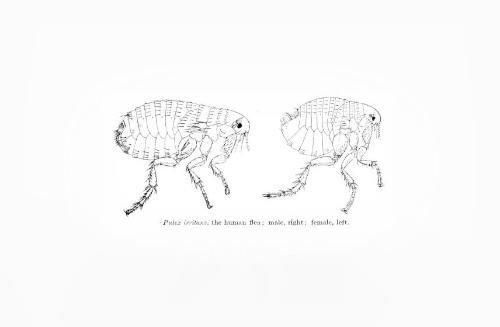
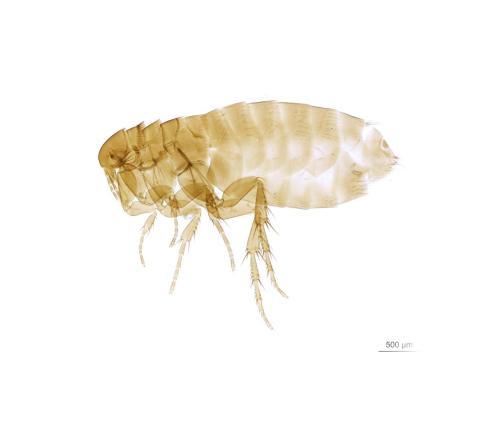
- Human Flea
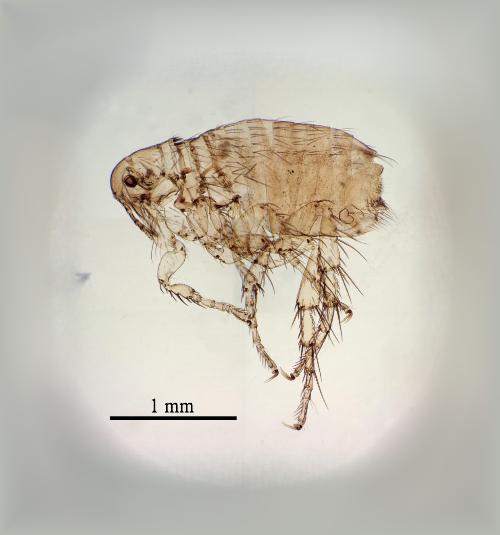
- Dog Flea
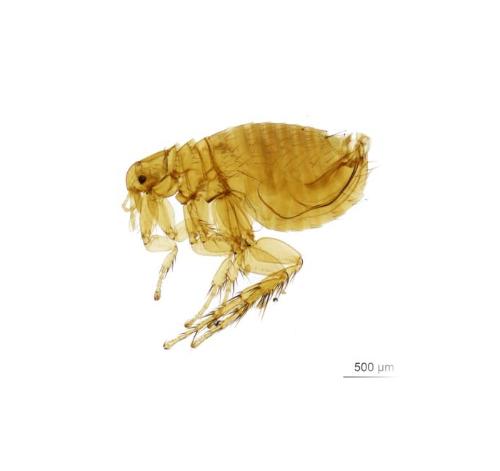
- Oriental Rat Flea
- Hen Flea
- Northern Rat Flea
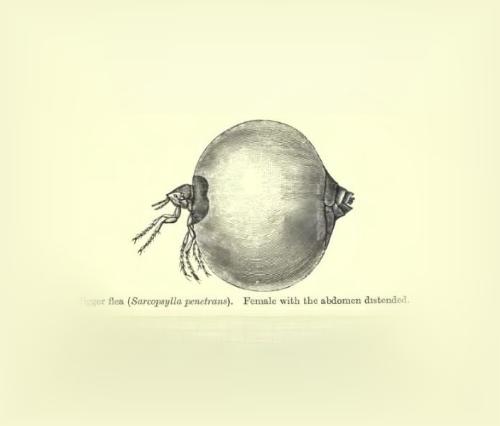
- chigoe flea
- Hedgehog Flea
- new zealand bat flea
- Martin Flea
- cat flea
- Ceratophyllus farreni
- Chaffinch Flea
- Rabbit Flea
- Mouse Flea
- sticktight flea
- Squirrel Flea
- Sparrow Flea
- Amalaraeus dissimilis
- Northern Flea
- Ceratophyllus chasteli
- Bed bug
- Blanc de l'Ouest Pig
- Golden Jackal
Traits and their opposites
Each trait of this archetype — and what is opposite to it.
- Resilience ↔ Fragility
Find your most suitable archetypes
Archetypes are facets of personality and behaviour: sometimes a hamster, sometimes a lion. Take a test for yourself, a friend or a pet.