





















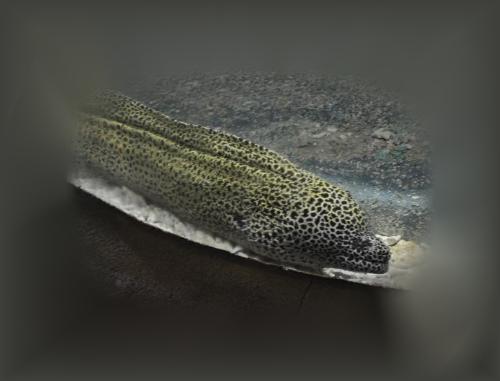


The “brown trout” archetype
Cultural context
Wherever people have lived beside rivers and lakes, the brown trout has been a fish to watch and respect. Its sea-going form leaves the home stream, spends seasons in open water, and then finds its way back to the gravel where it was born; that return is what people remember. The tradition is not tied to one named culture. It is the ordinary talk of riverbank life, where the trout stands for steadiness, long memory and a calm that outlasts changing currents. Some see it as a keeper of the water, others as a good sign for a household that stays rooted. To call someone a trout is to say they can travel far without forgetting where home is, and bend with the flow without being carried off by it.
Scales
The brown trout is a creature of generous effort. Its readiness to spend itself for others sits beside a stubborn vitality that carries it upstream through cold, flood and drought. Something in it feels set apart, even untouchable, and people around it sense this without being able to say why. Its search for meaning is bound up with the body: strength, stamina and the plain pleasure of cold water on the skin. Duty keeps that appetite in order, so promises are kept, schedules are respected and work is finished properly, whether or not anyone is watching. Custom comforts the trout, and so does company; it can be bold among others and happy in a crowd, bringing warmth to a gathering without needing to rule it. Beauty matters to it as part of daily life, in a well-made net, a clean pool or a bright morning, and so does the wish to build something orderly that will outlast the builder. A clear mind, a taste for working things out alone and a fair, modest honesty guide its choices; it would rather be right quietly than loudly, and it does not claim more than it has earned. It feels deeply, yet stays gentle, tolerant and willing to cooperate, so that even a sharp disagreement rarely turns bitter. Ambition for standing is quiet, openness to the unfamiliar is moderate, and a small streak of defiance wakes only when the group leans too hard.
Core traits
Spirituality and abundance are the bedrock of the brown trout. Reverence is not a doctrine here but a felt sense that everything is joined, and it feeds a vitality that outlasts hardship. The trout notices patterns that logic alone would miss, and acts on them with calm confidence, the way a fish reads a current long before it can see the bank. Plenty makes it expansive instead of greedy: it likes to share a good catch and a full table.
The body and the senses come next: appetite, touch, warmth, the wish for a partner. These sit beside a faithful attachment to custom, a love of ritual and lineage, and a dignity that does not need to be announced. Closeness matters too, and the trout is drawn to the one it can swim beside for years. Social courage and plain energy among people give the trout a visible presence.
Beauty, harmony and the pull toward lasting things shape its sense of purpose. It admires good craft and well-made moments, wants what it builds to stay, and tends to choose the slow, durable thing over the quick and flashy one. A tidy home, a family table and a shared song all count as art to it.
Intellect, independence, honesty, tenderness, gentle cooperation, curiosity and a trace of rebellion hum in the background. They rarely lead, but they keep the character balanced: a thinker who does not lecture, a loner who still comes home, an honest voice that is soft, and a rebel who mostly stays polite.
How to be around
Dealing well with this fish-natured person starts with respecting its current. It is not about polite noise or forced agreement; it is about noticing the strength that comes from being rooted and patient. Listen first, watch what it does with its day and what it quietly protects, and then fit your requests into that flow rather than across it, and you will find it far more generous than it first appears.
With a woman
A woman-trout opens up over shared work for the hands. Cook something together, mend a net or a coat, sort a box of old letters, and tell her what you inherited from your own family. She will answer in kind, usually with a story you have never heard. Ask her to teach you one skill that she learned from her elders, and listen to the whole method rather than only the result.
With a man
The man-trout thinks while he moves. Invite him on a long walk, a swim or a row against the wind, and let him pick the route. Mention what you admire in his stamina, and keep your praise specific. When he drifts off to be alone with a finished task, treat it as a pause, not a wall, and ask about it the next day.
With a teenage boy
A teenage boy who is a brown trout needs a job that is truly his. Give him the keys to a small project, such as planning a fishing trip or repairing a bike, and stick to the deal you made about who decides what. He is quick to notice an unfair word or a broken promise, so apologise plainly when you slip, and he will trust you.
With a teenage girl
The teenage girl-trout notices beauty and mood. Slip a good pen, a sketchbook or a ticket to a gallery into her day, and ask what caught her eye. If she turns inward, leave a short note on her desk instead of a long talk. She tends to answer in writing or in a quiet moment on the way somewhere, and she remembers who waited.
With a child
A child-trout is a collector of the living world. Walk with them to a stream, kneel at the edge, and let them name what moves there. Do not hurry them off the muddy bank; a wet sleeve is the price of curiosity. Invent a bedtime story about a fish that swam to sea and came home, and expect to hear it requested again and again.
With an animal
An animal-trout, whether a water-loving dog or a fish in a tank, reads the house by its routines. Feed it at the same hour, keep its bowl or stones in place, and leave one corner dim and quiet. Bring in new people one at a time. Once its map of the day holds, it will approach you itself.
After a quarrel
To quarrel with a trout or get under its skin, laugh at what it holds sacred or brush its customs aside as old-fashioned. A woman-trout bristles when her work for the family is taken for granted, a man-trout when he is told to sit still, and a teenage boy when a promise is broken. A teenage girl hates a sneer at her taste, a child a shout in the middle of play, and a pet its feeding bowl moved to another room.
How to befriend
To befriend a trout or win it over, speak plainly, keep your word and turn up with a real task in hand. A woman-trout warms to attention for the small details of her home, a man-trout to a shared road and a firm handshake, and a teen boy to being trusted with something that matters. A teen girl will remember a quiet gesture and a lovely object, a child a patient story, and a pet a warm corner plus the same hand bringing food.
Similar archetypes
Close facets: images with a similar set of qualities.
Complete opposite
The opposite facet: images whose qualities point the other way.
- Human Flea
- Dog Flea
- Oriental Rat Flea
- Hen Flea
- Northern Rat Flea
- chigoe flea
- Hedgehog Flea
- new zealand bat flea
- Martin Flea
- cat flea
- Ceratophyllus farreni
- Chaffinch Flea
- Rabbit Flea
- Mouse Flea
- sticktight flea
- Squirrel Flea
- Sparrow Flea
- Amalaraeus dissimilis
- Northern Flea
- Ceratophyllus chasteli
- Bed bug
- laced moray
- eel
- dark moray
- giant moray
- congo
- freshwater moray
- greek
- sharktooth moray
- conger
Traits and their opposites
Each trait of this archetype — and what is opposite to it.
- Resilience ↔ Fragility
Find your most suitable archetypes
Archetypes are facets of personality and behaviour: sometimes a hamster, sometimes a lion. Take a test for yourself, a friend or a pet.