






















The “Leatherback turtle” archetype
Cultural context
In Japanese waters the leatherback rides the black-glass swells like an envoy between worlds, its ridged carapace flecked with phosphorescence. Greek islanders once watched the same silhouette slide past their headlands and named it a sign of endurance against the sea’s thunder. Indian storytellers placed it among the first beings that rose from the primordial tide, carrying prayers between the living and the deep. Along the South China coast, fishers still greet its slow surfacing as the keeper of currents older than any chart.
Scales
These traditions see the leatherback as a living measure of physical endurance and solemn purpose. Its migrations speak of an ancient contract with time itself, a readiness to surrender comfort so the eggs buried in warm sand may outlast the storm. The creature carries little appetite for display; instead it trusts the slow turning of seasons and the weight of its own body against the current. In every culture that names it, the leatherback moves like a pilgrim whose only ornament is the scar of the journey already made.
Core traits
Family loyalty runs through the leatherback like the steady heartbeat that never leaves the nest. She returns to the same stretch of shore year after year, her flippers smoothing the sand until the eggs rest beneath a cool, dark roof. That devotion draws a circle around her young and leaves the rest of the ocean outside; once the circle is drawn, the leatherback rarely steps beyond its edge.
Strong traits
The leatherback carries resilience the way a tide carries driftwood: after every loss it rises again, reshaping the same journey into new strength. Its patience stretches across decades, letting storms pass while it keeps the same heading; yet that same patience can freeze the animal against the shore when turning back would be wiser. Harmony colours its every dive, turning the clash of waves into a single, measured breath that steadies the surrounding waters.
Noticeable traits
Swift judgment flickers now and then when the leatherback chooses a current, yet the choice can carry it past richer feeding grounds it never paused to weigh. At the same time the animal sinks into the ocean’s darker layers, reading pressure and light as clues hidden from every surface eye, and sometimes lingers there long after the moment to surface has come.
How to be around
Approach a leatherback by keeping your own shadow small so it does not ripple across the water like a circling gull. Watch the rhythm of its surfacing before you speak; once the pattern is clear, move beside it rather than ahead, your steps matching the slow lift of the shell and the soft hiss of foam sliding down its flanks.
With a woman
A woman who carries the leatherback’s heart keeps her family inside a current of warmth that rarely leaks outward. She gathers her children with the same measured strength that drives her through open water, and the house grows calm beneath her steady flippers. Offer her practical help with the daily tide of tasks rather than advice about how to rearrange them; she will notice the extra pair of hands more than any spoken plan. Yet do not crowd the quiet hours she spends at the edge of that circle; when her gaze turns inward, let the silence settle like sand over eggs.
With a man
A man marked by the leatherback’s endurance rises after every setback with the same dark, deliberate stroke that carried him across an entire ocean. He will shoulder another’s burden without complaint, yet he resents anyone who tries to steer his course while he is still swimming. Stand with him when he charts the next long leg of the journey, but step back the moment he asks for the lead; the prestige he seeks is not applause but the knowledge that his path remained his own.
With a teenage boy
A teenage boy who shares the leatherback’s patience moves toward every decision as though the horizon itself were watching. He will study a problem until the angles lie flat in his mind, sometimes missing the quicker route that others have already taken. Give him room to test his own compass; if the route changes mid-journey, speak only after he has reached the next quiet cove. When he finally turns toward you, your steady presence will feel like the same shore he has always trusted.
With a teenage girl
A teenage girl bearing the leatherback’s sense of the sacred treats small rituals like hidden reefs that must not be disturbed. She keeps her notebooks in perfect order and expects the same quiet discipline from the spaces she shares. Join her in arranging those spaces rather than questioning their purpose; once the order feels complete she may laugh, light as foam breaking over the shell, and the day moves forward without argument.
With a child
A child who moves like the leatherback tastes the world through skin and salt. Their hands linger on wet stones and drifting feathers, and any sudden rule can feel like a wave knocking them off balance. Walk beside them along the tideline, letting them set the pace; when they pause to watch a crab trace its path, the moment itself becomes the lesson they will carry.
With an animal
An animal leatherback rests best when the room holds the same deep rhythm as open water. Place its favourite mat where light falls in a single shaft and leave the rest of the space empty; it will return to that shaft at the same hour each day. Speak softly if you must speak at all; the animal reads interruption the way a diver reads sudden pressure, and too many words can send it sliding back into stillness.
After a quarrel
The leatherback keeps its strength like a held breath; break that breath and the whole body turns rigid. A woman will close every door in the house if another task is added without her consent. A man will keep swimming straight through an argument rather than admit the current has shifted. A teenage boy falls silent and stays submerged in his own plans until the interruption ends. A teenage girl straightens every misplaced object before she answers. A child stiffens at the first tug on their wrist and may simply walk away. An animal withdraws to the farthest corner and refuses to surface until the air clears.
How to befriend
Friendship with the leatherback grows in the same slow rhythm as its longest migration. A woman remembers the smallest kindness offered to her family long after the gesture itself has faded. A man values the companion who walks the entire stretch of beach without suggesting a shorter path. A teenage boy opens up once the two of you have sat in silence long enough for the tide to turn twice. A teenage girl invites you into her ordered world when you respect the exact placement of each shell. A child trusts the adult who lets them guide the walk without once checking a watch. An animal settles beside you only after you have stayed still for an entire afternoon.
Similar archetypes
Close facets: images with a similar set of qualities.
Complete opposite
The opposite facet: images whose qualities point the other way.
- Human Flea
- Dog Flea
- Oriental Rat Flea
- Hen Flea
- Northern Rat Flea
- chigoe flea
- Hedgehog Flea
- new zealand bat flea
- Martin Flea
- cat flea
- Ceratophyllus farreni
- Chaffinch Flea
- Rabbit Flea
- Mouse Flea
- sticktight flea
- Squirrel Flea
- Sparrow Flea
- Amalaraeus dissimilis
- Northern Flea
- Ceratophyllus chasteli
- Bed bug
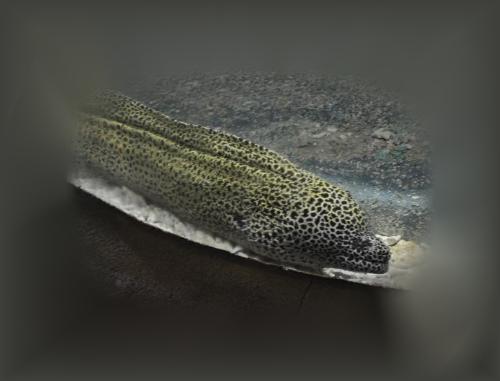
- laced moray
- eel
- dark moray
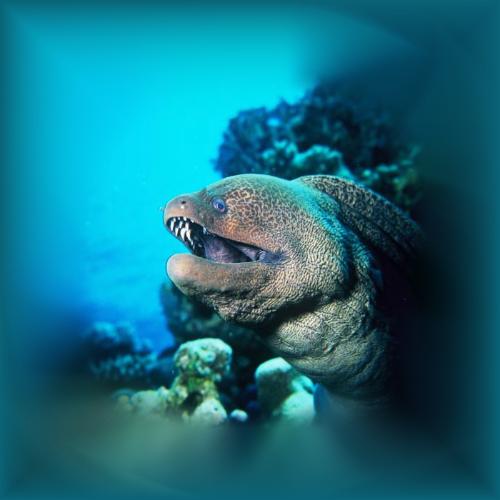
- giant moray
- congo
- freshwater moray
- greek
- sharktooth moray
- conger
Traits and their opposites
Each trait of this archetype — and what is opposite to it.
- Resilience ↔ Fragility
Find your most suitable archetypes
Archetypes are facets of personality and behaviour: sometimes a hamster, sometimes a lion. Take a test for yourself, a friend or a pet.