





















The “Seahorse” archetype
Cultural context
Wherever seahorses glide through the shallows, their spiral tails fasten them to coral like threads stitched into a living tapestry. The common seahorse therefore drifts through human memory as a guardian of steady bonds, its image surfacing in tales of quiet endurance rather than in any single creed or realm. Fishermen watch the animal sway with the current and remember the slow turn of seasons, the patience of hands that mend nets before dawn breaks. Its curved silhouette, half-hidden among stems, suggests a creature that waits without impatience, sheltering eggs and future alike in the same unhurried grip.
Scales
In the common seahorse tradition the sacred feels like breath held beneath the surface, an intimacy too delicate for common speech yet impossible to ignore. Its gaze seems to seek another, the paired dance of mating a promise that two lives may merge without vanishing. The animal carries its young rather than abandon them, offering strength while giving itself away, and the very shimmer of its scales draws eyes the way a pearl pulls light. It moves with measured rhythm, restoring the broken line of the reef until order settles like silt after storm. The common seahorse lingers where change is slow, favoring the deep memory of coral over fleeting novelty, yet it never turns away from what the tide might bring.
Core traits
The common seahorse carries beauty the way a shell holds light, its slender form and slow, graceful sway drawing every eye in the reef. This elegance is not display but invitation, a harmony of line and color that steadies the gaze of those nearby. At the same time the creature fears the blunt judgment of the current; one careless touch can bruise its delicate skin, and the memory of that touch lingers like salt on open gills.
Strong traits
The common seahorse builds its life inside a single stem of coral, curling its tail so tightly that the whole colony feels the pulse of its presence. It waits through storms to keep the clutch safe, sensing every tremor that passes through the water. Its devotion extends beyond its own eggs; it lingers near injured companions, offering shelter though the effort drains its own strength. When the tide shifts, the seahorse absorbs the mood of the reef, withdrawing into silence if fear rises among its neighbors.
Noticeable traits
A common seahorse soothes quarrels by drifting between rivals until the current settles; its touch carries no sting, only a gentle pressure that loosens tension. Yet this softness can leave it clinging to the same stem long after the reef has changed, unwilling to release yesterday’s safety even when the water grows thin.
How to be around
The common seahorse lives by rhythm rather than command, so the surest path beside it is to match its pace and notice the small signals it gives when the current turns.
With a woman
A woman whose bearing recalls the common seahorse will pause to adjust the angle of a lamp until the room feels whole again; praise that quiet calibration directly and she will let you share the next small task, her hand brushing yours in a gesture that feels both intimate and exact.
With a man
A man whose temperament echoes the common seahorse will stay late to finish the joint project even when the others have gone; speak of the shared future you both guard and he will answer with a plan that folds your comfort into his own steady design.
With a teenage boy
A teenage boy who carries the common seahorse’s spirit may vanish into his room after an argument, emerging only when he has written the quarrel into a poem; ask what line still troubles him and he will hand you the page without meeting your eye, trusting the words to bridge the distance.
With a teenage girl
A teenage girl who moves like the common seahorse will rearrange the books on her shelf until their spines form a single unbroken line; notice the new order aloud and she will offer you the chair nearest the window, her posture softening as the space becomes shared.
With a child
A child who follows the common seahorse’s rhythm may spend an hour watching an ant cross the floor before deciding where to step; offer a hand only when the journey ends, and the child will place a small stone in your palm as thanks for letting the moment finish itself.
With an animal
An animal whose nature mirrors the common seahorse will circle its basket three times before settling; once the circuit is complete, place a folded cloth at the rim and it will rest its head there, accepting the boundary as part of its chosen calm.
After a quarrel
The common seahorse clings hardest when its familiar stem is threatened, so any sudden change can tighten its grip until the water itself feels thin. A woman withdraws into silent polishing of already spotless surfaces. A man answers with longer lists of duties that must be finished before any talk can begin. A teenage boy repeats yesterday’s plan as if repetition alone could restore it. A teenage girl answers every question with the same polite phrase until the phrase itself becomes a wall. A child grows quiet and begins sorting toys by color, refusing to finish until the pattern feels safe again. An animal retreats to the farthest corner of its enclosure and refuses to meet an offered hand.
How to befriend
The common seahorse answers loyalty that lasts longer than a single tide; the surest welcome is therefore a repeated, unhurried presence that asks nothing in return. A woman remembers the exact phrase you used weeks ago and quotes it back when she needs reassurance. A man saves the last unbroken shell from a shared walk and places it where you will find it without comment. A teenage boy leaves an unfinished sketch on the table, trusting you will recognize the next line he cannot yet draw. A teenage girl keeps the corner of a scarf you once praised and wears it on days when the current runs cold. A child offers the same pebble each time you meet, the stone growing smoother in both your hands. An animal stops its circling the moment your shadow falls across the basket rim.
Similar archetypes
Close facets: images with a similar set of qualities.
Complete opposite
The opposite facet: images whose qualities point the other way.
- Bed bug
- Human Flea
- Dog Flea
- Oriental Rat Flea
- Hen Flea
- Northern Rat Flea
- chigoe flea
- Hedgehog Flea
- new zealand bat flea
- Martin Flea
- cat flea
- Ceratophyllus farreni
- Chaffinch Flea
- Rabbit Flea
- Mouse Flea
- sticktight flea
- Squirrel Flea
- Sparrow Flea
- Amalaraeus dissimilis
- Northern Flea
- Ceratophyllus chasteli
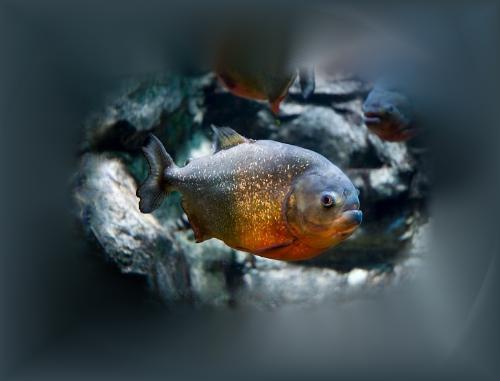
- Piranha
- Horsefly
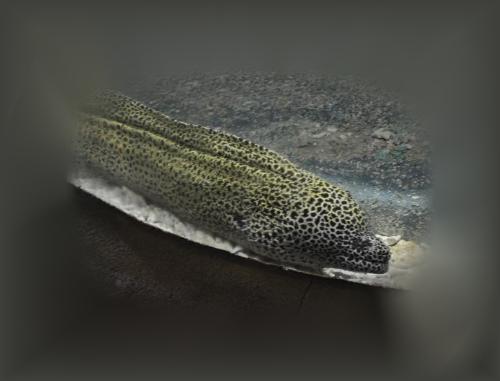
- laced moray
- eel
- dark moray
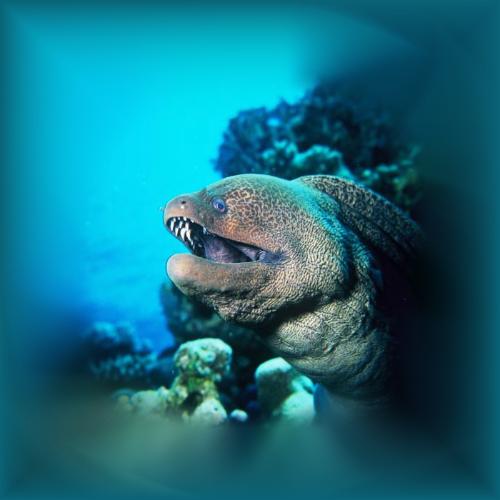
- giant moray
- congo
- freshwater moray
- greek
Traits and their opposites
Each trait of this archetype — and what is opposite to it.
- Spirituality ↔ Pragmatism
- Sensitivity ↔ Callousness
Find your most suitable archetypes
Archetypes are facets of personality and behaviour: sometimes a hamster, sometimes a lion. Take a test for yourself, a friend or a pet.