













The “Sea bass” archetype
Cultural context
European, Russian and Scandinavian shores share a long regard for creatures that claim the same reef year after year, returning to the same dark cavern even when nets scrape the rocks and storms roll boulders down the slope. The giant grouper answers that regard: it anchors itself at the lip of the continental shelf, a motionless pillar of muscle whose mottled flanks echo the granite and kelp around it. Fishermen speak of the fish the way villagers speak of the winter pine that never leans, a living marker of the boundary between the known harbour and the open water where maps end and stories begin. Its presence feels like an old custom preserved in salt and silence, a reminder that a place belongs to those patient enough to remain.
Scales
The traditions read the giant grouper through a body that feels every current against its skin, a life-force that outlasts the turning of tides, and a steady climb toward the highest ledge of the reef. Prestige clings to its stillness the way barnacles cling to its gill plates; autonomy shows in the way it refuses every hand that reaches for its flank. Its thought runs deep, tasting each change before the wave arrives, while a taste for lasting order and measured beauty keeps its cavern swept and its outline clean against the shifting sand. Yet a faint chill lingers at the edge of its gaze, a preference for measured distance over easy warmth, and a small resistance to any tide that would push it from its chosen stone.
Core traits
Resilience keeps the giant grouper on the same ledge through winter gales and summer trawls, the same deep scar reappearing season after season until the scar itself becomes part of the rock. When a net tears away a fin or a rival claims the cavern mouth, the fish does not flee; it waits, breathing slow, until the current returns what was taken or until the intruder tires and drifts elsewhere. That same endurance can lock it in place when retreat would serve it better, a living statue refusing to admit that the tide has changed.
Strong traits
Long patience, a guarded stretch of reef, an instinct to direct every passing school, and a quiet dignity mark the giant grouper. It returns to the same hollow year after year, measuring each newcomer against the memory of those already tested. When two younger fish circle too close, the older one rises, gill covers flared, until the pair turns aside; the same rise later becomes the signal that calls the school into ordered ranks. Its outline, half stone and half shadow, commands space without a sound, and the smaller fish drift into its wake as though the current itself had given an order.
Noticeable traits
Cunning and a fluid way of meeting change appear together when the giant grouper slips behind a coral pillar the instant a diver’s shadow crosses its flank, only to emerge from another crevice minutes later on an unexpected bearing. It reads the drift of baitfish the way a reader follows a half-hidden clause, adjusting its ambush line without ever seeming to move until the strike. That same sideways thinking can keep it circling a problem instead of meeting it head-on, drifting with the current when a firm stand would serve it better.
How to be around
Approach the giant grouper only after you have learned the rhythm of its breathing and the exact distance at which its gill covers lift. Offer nothing sudden; wait for the slow blink that signals permission to remain. Once that threshold is crossed, the fish will let you share its ledge, provided you keep your shadow from falling across its eye.
With a woman
A woman who carries the giant grouper’s temper will test a setback the way the fish tests a torn fin, turning the loss over until it yields a usable angle. When she meets resistance she circles once, twice, then settles on the same stone as before, unwilling to declare the plan finished. Offer her the weight of your shoulder against the current rather than a new map; she will feel the pressure through skin and bone long after words have faded. Leave her the choice of when to rise again; any attempt to steer her course only locks her gills tighter against the flow.
With a man
A man who shares the giant grouper’s patience will stay at his post while younger rivals circle and tire. He measures each proposal against the memory of earlier seasons, slow to shift even when the tide turns. Stand beside him without pressing; the steady pulse of his effort will eventually draw the scattered fish back into line. His regard for closeness is quiet and rare, offered only after long observation, and any sudden reach can fracture the order he has spent years maintaining.
With a teenage boy
A teenage boy who mirrors the giant grouper’s sense of place will mark the corner of the reef as his own and watch every newcomer with the same unblinking eye. Prestige matters more than company; he will defend the ledge even when no threat exists. Ask permission before you enter that space, and never mock the solemn way he arranges his stones. A game offered too lightly will be refused; a single serious challenge, accepted on his terms, may open the gate he keeps closed to everyone else.
With a teenage girl
A teenage girl who carries the giant grouper’s will to order will gather her scattered friends the way the fish gathers baitfish before a storm. She expects her word to settle arguments, and when it does not she withdraws to the deepest part of the cavern. Give her room to name the rules for the day, then step back; any correction spoken before the group will be remembered as an invasion. Later, when the others have gone, a single private word of respect can reopen the passage she has closed.
With a child
A child who echoes the giant grouper’s bearing will arrange toys into strict ranks and stand guard at the edge of the rug as though it were a reef ledge. Strength shows in the careful stacking of blocks; distance appears when an adult reaches across the boundary without invitation. Let the child choose which shelf the largest piece occupies, and do not rearrange it afterward. Any sudden grab for the centre stone will be met with the same slow, unyielding stare the fish turns on a drifting hand.
With an animal
An animal-giant grouper reads the angle of approaching footsteps the way it once read the shadow of a shark. It will slip behind the filter intake or under the coral arch rather than meet the hand directly. Offer food at the same hour each day and leave the drop zone empty afterward; the fish will emerge only when the surface is still. Any attempt to stroke or lift will be answered by a sudden turn and a cloud of sand, the animal’s way of restoring the distance it requires.
After a quarrel
The giant grouper answers pressure by sliding into deeper water rather than meeting it head-on, letting the current carry the quarrel away until the challenger tires. A woman will keep circling the same argument long after others have declared it settled, refusing to admit the plan has failed. A man will simply close his gill covers and remain on his ledge, letting silence become the wall. A teenage boy will retreat to the farthest corner of his room and mark it as forbidden ground. A teenage girl will rearrange her alliances overnight, leaving the quarreling party outside the new circle. A child will stack every toy between themselves and the disputed space and will not speak until the intruder withdraws. An animal will vanish behind the coral and refuse every offered hand until the hand itself has left the tank.
How to befriend
The giant grouper grants trust only after the newcomer has proved both predictable and useful, the way a reef ledge earns its place by remaining unmoved through every tide. A woman accepts help when it arrives without announcement and leaves without demanding thanks. A man remembers the single clear suggestion offered at the right hour and will later clear a space beside him on the same stone. A teenage boy opens when a question about his hidden project is asked once and then left alone. A teenage girl softens when her smallest completed task is noticed without fanfare. A child stays near the adult who lets the child decide the order of stones. An animal will accept the quiet presence of a hand that never reaches, provided the hand keeps the same distance day after day.
Similar archetypes
Close facets: images with a similar set of qualities.
Complete opposite
The opposite facet: images whose qualities point the other way.
- wild boar
- Sheep
- mallard
- Japanese Firefly
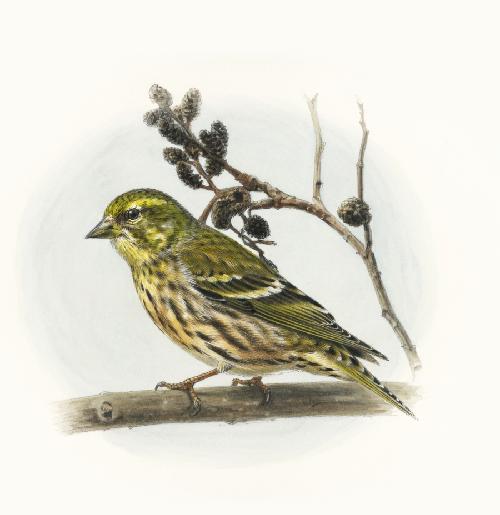
- eurasian siskin
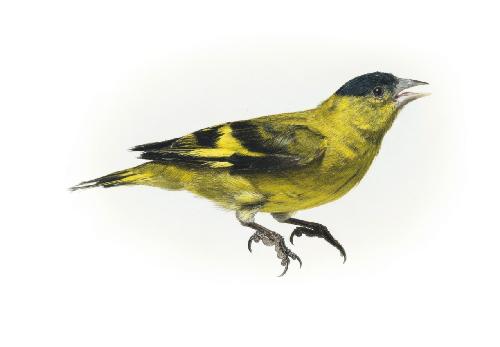
- Black-headed Siskin
- olivaceous siskin
- eurasian siskin
- eurasian siskin
- eurasian siskin
- eurasian siskin
- eurasian siskin
- eurasian siskin
- eurasian siskin
- hooded siskin
- eurasian siskin
- tibetan serin
- andean siskin
- yellow-bellied siskin
- saffron siskin
- lawrence's goldfinch
- fischer's lovebird
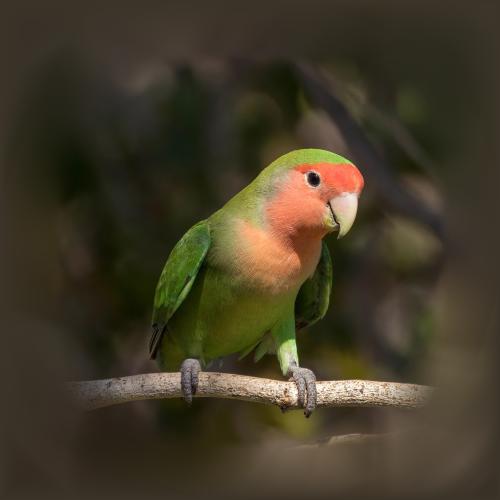
- rosy-faced lovebird
- black-winged lovebird
- yellow-collared lovebird
- grey-headed lovebird
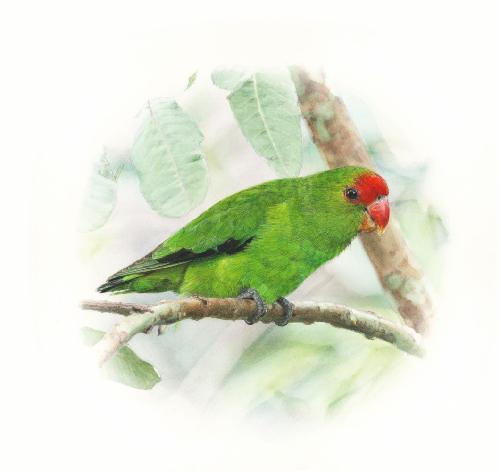
- red-headed lovebird
- black-collared lovebird
- rosy-faced lovebird
- black-cheeked lovebird
Traits and their opposites
Each trait of this archetype — and what is opposite to it.
- Resilience ↔ Fragility
Find your most suitable archetypes
Archetypes are facets of personality and behaviour: sometimes a hamster, sometimes a lion. Take a test for yourself, a friend or a pet.