




















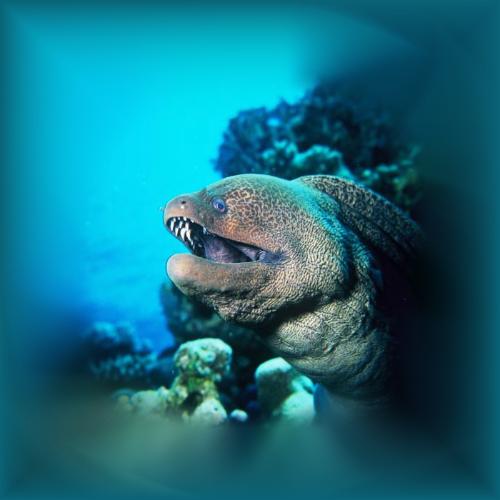

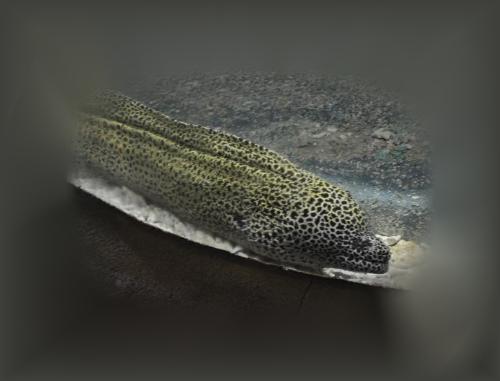
The “Pufferfish” archetype
Cultural context
Across coral reefs of the Indo-Pacific the white-spotted puffer draws its living from the same shifting currents that once carried Polynesian canoes and still guide the nets of Tamil fishermen. In those places it is no emblem of kingship; it is the neighbour that stays when storms have emptied the beach, the quiet sentinel whose quick change from gentle glide to bristling sphere reminds every village that a single life can hold its ground against the sea. The creature’s small, watchful eyes, its habit of circling one chosen patch of sand as if it were an island, mirrors the old islander belief that survival itself is the highest craft, passed from parent to child like the way of reading cloud and swell.
Scales
In the language of its reefs the white-spotted puffer speaks first of rebelliousness against the press of the school, of autonomy won each morning when it claims its own hollow among the coral. Vitality shows in the constant pulse of its fins, in a body that inflates and deflates like a living sail. Bodily sense, the live attention to touch and pressure, keeps it tuned to every shift of water; conscientiousness appears in the neat rows of algae it guards; harmony in the measured patrol that restores order to its private stretch of reef. A sense of eternity guides its choice of the same cave year after year, while physicality is the quick, athletic dart that carries it through gaps too narrow for predators.
Core traits
Resilience is the white-spotted puffer’s first gift: after a net tears its shelter or a rival claims its ledge, the fish returns at dusk, reclaims the same square of sand, and sets about rebuilding with the same measured strokes of its fins. It turns every setback into a new contour of knowledge, every bruise of current into a lesson held in muscle and memory, until the reef itself seems to carry the record of its recoveries.
Strong traits
Survivability lets the white-spotted puffer slip through the sudden silence that follows a predator’s shadow, finding a crevice no chart has named; yet the same quickness can leave tomorrow’s shelter unplanned. Independence keeps it circling alone while schools flash past, content with its own judgment even when the reef grows loud with warning. Cunning shows when it spits a jet of water to flip a crab rather than chase it, turning the reef’s own rules to its advantage. Aquaticness appears in the fluid way it rides each new current, bending its path without ever losing the memory of home.
Noticeable traits
Hoarding appears in the neat piles of broken shell the white-spotted puffer tucks beneath its ledge, a larder against lean seasons; the same impulse can grow into fretful circling if a single pebble is missing. Prickliness rises the instant another fish drifts too close, spines lifting like a sudden hedge of thorns that warns before any bite is given. Territoriality keeps every stranger at the edge of a measured distance, the fish returning again and again to the same invisible line drawn in sand and memory.
How to be around
Approach a white-spotted puffer by moving as the reef itself moves: steady, unhurried, never crowding the invisible circle it draws around its chosen stone. Watch first, speak later, and let silence do the work of invitation.
With a woman
When a woman must decide whether to keep an old plan or abandon it after sudden loss, give her two clear routes and then step back; she will test each against her own recovered strength before she chooses. Her quiet refusal to yield an inch of yesterday’s ground is the same motion that once carried her through a storm of criticism; yet if the hour grows late she may linger over the map long after the sensible hour for rest. Offer no crowd of voices; a single, steady question asked once is enough to set her course again.
With a man
A man finds his footing fastest when a crisis breaks without warning; hand him the immediate task and leave the larger chart for later. He will improvise a shelter from whatever lies at hand, yet the same speed that saves the day can leave next month’s provisions forgotten. Answer his direct question with equal brevity, and if his voice carries a tremor of doubt do not press; the tremor itself is already a private map he is reading.
With a teenage boy
A teenage boy works best when the project is his own to finish or abandon; stand where he can see you but do not reach for the tool in his hand. The energy that keeps him at the bench until the light fades is the same force that later lets him walk away from a quarrel without looking back. If he offers a half-truth about where he spent the afternoon, meet it with the plain fact of supper waiting; honesty travels farther when it is not chased.
With a teenage girl
A teenage girl reads the reef of a conversation before she steps into it; let her choose the hour and the corner where she will speak. Her body already knows the weight of every glance, and the slight shift of her shoulders tells you when the topic has crossed into waters she keeps for herself. If she keeps an old bracelet that no longer fits, do not call it clutter; the clasp still holds a promise she once made to her own future self.
With a child
A child drifts from one shallow pool to the next, tasting each new temperature with bare feet before deciding where to settle for the afternoon. The same motion that lets the child abandon a half-built castle and begin another also teaches the first lesson in returning to a task when the tide has changed. Leave a single smooth shell where small hands can find it; the gift is accepted without announcement and kept without explanation.
With an animal
An animal gathers every scrap of algae that drifts within reach and tucks it beneath the same flat stone each evening; disturb that stone and the fish will circle until the order is restored. It measures the passing of light across the coral and returns to the same ledge when the shadow lengthens; give it that ledge and it will accept your presence at the margin without raising a single spine.
After a quarrel
The white-spotted puffer draws its line in sand the way a cartographer draws a frontier: once marked, it is expected to remain. A woman feels the line crossed when an uninvited voice rearranges her carefully ordered afternoon; a man when his quick repair is halted mid-motion by a question about tomorrow’s weather. A teenage boy turns sharp when laughter follows his retreat to the far side of the room; a teenage girl when a hand reaches for the bracelet she has already decided not to explain. A child withdraws when a toy is lifted from the pool before the game is finished; an animal inflates the moment a stranger’s shadow falls across the stone it has claimed since dawn. In each case the offence is the same: the sudden claim upon space that was never offered.
How to befriend
Friendship with the white-spotted puffer begins at the boundary it has already drawn and never steps across it unasked. A woman accepts company most readily when the offered task matches the strength she has already measured in her own hands; a man when the work requires only the two of you and no audience. A teenage boy stays longest beside someone who can keep pace without speaking; a teenage girl beside someone who notices the bracelet yet asks nothing about its story. A child remembers the adult who left the shell and later pretended not to see it taken; an animal learns the footfall that stops three paces short of its ledge and never comes closer without invitation. Over time these small distances become the architecture of trust.
Similar archetypes
Close facets: images with a similar set of qualities.
Complete opposite
The opposite facet: images whose qualities point the other way.
- Turkey
- Black widow spider
- Bed bug
- Human Flea
- Dog Flea
- Oriental Rat Flea
- Hen Flea
- Northern Rat Flea
- chigoe flea
- Hedgehog Flea
- new zealand bat flea
- Martin Flea
- cat flea
- Ceratophyllus farreni
- Chaffinch Flea
- Rabbit Flea
- Mouse Flea
- sticktight flea
- Squirrel Flea
- Sparrow Flea
- Amalaraeus dissimilis
- Northern Flea
- Ceratophyllus chasteli
- Golden Jackal
- laced moray
- eel
- dark moray
- giant moray
- congo
- freshwater moray
Find your most suitable archetypes
Archetypes are facets of personality and behaviour: sometimes a hamster, sometimes a lion. Take a test for yourself, a friend or a pet.