



















The “Armadillo” archetype
Cultural context
Wherever armadillos live, people have noticed the same thing: the animal asks nobody for protection. It carries a banded shell on its back, digs a burrow wherever it likes, and can vanish into the earth faster than a pursuer can blink. Folk tradition turned that image into a quiet ideal. The armadillo stands for the person who stocks the pantry before winter, keeps their own counsel, and gets up again after every blow. Admiration goes to endurance rather than show, to the one who builds a stable home from patient digging and needs no audience. The shell is read as healthy boundaries, a way of keeping the tender belly safe, and the burrow as the foundation a person lays down for the years ahead.
Scales
In that tradition the armadillo is a creature of pleasing contradictions. It is deeply at home in its body, loving warm soil, the weight of its own frame and the feel of the ground, yet it answers to nobody and makes its own rules. Order matters to it, and so does duty; the burrow is kept tidy and the stores are counted. Anything hidden or forbidden draws it in, and new things get a cool, analytical sniff before being admitted. Feelings are another matter, for it keeps them locked away, which can look like frost from the outside. Ornament leaves it cold, and so do rank and applause. What it wants is a place that is solid, private and quiet enough to enjoy.
Core traits
Self-reliance and a talent for laying things by sit at the center of this archetype. The armadillo is at ease in its body, tough and slow to tire, with a vitality that lets it recover from cold, hunger or a bad season. It keeps promises and keeps its burrow in order, and it builds as it digs, one patient chamber after another, until the whole structure holds together. Something is held sacred in the way it guards what is hidden: a back room not shown to visitors, a habit not explained to outsiders, a corner of the self that stays off limits.
Faint traits
Beneath the practical surface runs a search for meaning. The armadillo listens to the ground it lives in, and feels bound to a world larger than any single day. Its gaze goes toward the lasting: it would rather make one thing that endures than ten that please for a week. Its body is strong, built for digging and carrying, and it trusts muscle more than talk. Curiosity is present but cautious, like a snout nudged at a new smell before a paw is committed, and its thinking prefers to take things apart and see how they fit. Closeness and pairing interest it, though in a modest, private way.
Honesty comes naturally to the armadillo, along with a plain modesty that does not announce its good deeds. It has a gentle side as well, tolerant of oddities and willing to work alongside others when the task is clear. Old customs are kept because they carry the memory of those who came before, and tradition is treated as inheritance rather than cage. Yet a streak of rebellion runs through it: pressure from a crowd only makes it plant its feet, and it will quietly go its own way before it signs onto a fashion. And for those it loves it will spend itself, taking on the worst of the digging without asking for thanks.
The same armor has a price. The armadillo keeps to itself, spends little time in company and finds long gatherings tiring, so it can seem closed, even chilly. Its feelings stay behind the shell, and talk of emotions makes it wince. Beauty barely registers, since a tool is judged by how it works rather than how it looks. Rank and titles interest it even less, and it is content with a plain burrow and a plain name. Many mistake that modesty for indifference, though it is simply a creature that loves in actions and not in words.
How to be around
Getting along with an armadillo is mostly a matter of manners at the door. Knock before you enter, say what you want plainly, and keep your promises in small things, because trust here is collected slowly, like stores laid down for winter. Behind the armor lives a soft and watchful creature, and it will show itself only to those who have proved they are not going to prod it.
With a woman
With a woman-armadillo, lend a shoulder in the heavy weeks, when she is carrying everyone else's load and has stopped mentioning it. Bring dinner, take over a chore without announcing it, and stop hovering over the way she runs things; she has a system, and it works. When she finally says something, answer with one honest sentence about what you saw her do, rather than a pile of advice or a rescue plan she never asked for.
With a man
With a man-armadillo, be gentle with his projects of order, the labeled shelves, the schedules, the toolbox where everything has an outline. Behind them is a wish to keep his people safe. When a real crisis hits, don't leave him alone with it; turn up with gloves or a ledger and ask which end he wants you to take. Thank him by name for something specific he fixed or foresaw.
With a teenage boy
With a teenage boy-armadillo, don't brush off the closed door and the headphones; that is his burrow under construction. Lead by example instead: fix the bike chain beside him, in silence, and let him watch how you handle a mistake. Offer a real job, such as sorting the garage or running the household budget for a week, because he wants duties that treat him as capable and keep him from being fussed over.
With a teenage girl
With a teenage girl-armadillo, don't overlook the stubborn streak that makes her turn down what the whole class is doing. Instead of pushing her to join in, ask what she would choose and then back that choice in public, whether it is an odd hobby or a solitary walk to school. Tell her plainly that you saw her hold her ground, because she will treasure that sentence long after the compliment about her hair is forgotten.
With a child
With a child-armadillo, notice the little rituals: the toys lined up by size, the bedtime order that cannot be shuffled. Praise the care itself and hand over a nook all their own, a blanket fort or a lidded box where nothing may be touched without leave. When a fear arrives, sit at the entrance of that nook and say you will wait there, then let them crawl out when they are ready.
With an animal
With an animal-armadillo, don't get in its way when it is rooting for grubs or enlarging a burrow; those dusk hours are the working day. Keep your voice low and your steps slow, and ask for one thing at a time, since too many signals send it underground. Put out a deep box of straw or loose earth, feed at the same hour from the same dish, and let it come to your hand by itself.
After a quarrel
To quarrel with an armadillo or get under its skin, tear up its arrangements. Move the furniture of its life without warning, break a promise in a casual voice, or sneer at a custom it keeps. A man-armadillo flares when his decisions are overruled in front of other people, especially in the middle of carrying them out. A woman-armadillo is worn down by the steady drip of extra requests, each one small, none of them acknowledging what is already on her plate. A teen boy goes stone-faced when his work is called pointless, and he will refuse to defend it. A teen girl digs in at the first whiff of being herded, and a joke about her stubbornness only sets the shell harder. A child-armadillo falls apart when the bedtime order is scrambled or someone rummages through the box of treasures. An animal-armadillo bristles, spins away and bolts for cover if it is dug out of its hole, grabbed from above, or startled with a sudden noise while eating.
How to befriend
Winning an armadillo's friendship, or its heart, is a matter of turning up on schedule and bringing no surprises. Trust accumulates here like grain in a store, and every kept promise adds a scoop. A man-armadillo opens up over shared work, a shed to rebuild or an engine to strip, where he can be useful without being observed. A woman-armadillo warms to a quiet evening and a question asked once, then really heard. Give a teen boy a tool, a manual or a ruined radio to rescue, and a teen girl an audience for her odd opinions that does not laugh. A child-armadillo is won by patient games of building and hiding, and an animal-armadillo by a treat left at the mouth of the burrow, day after day, until it decides your smell is part of home.
Similar archetypes
Close facets: images with a similar set of qualities.
- Anteater
- Matamata
- Polar Bear
- Pufferfish
- Chinese giant salamander
- Japanese giant salamander
- African Spurred Tortoise
- Whale shark
Complete opposite
The opposite facet: images whose qualities point the other way.
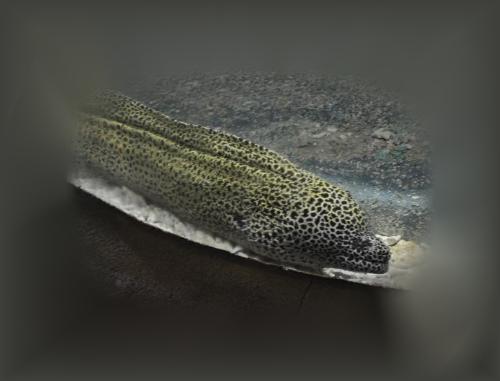
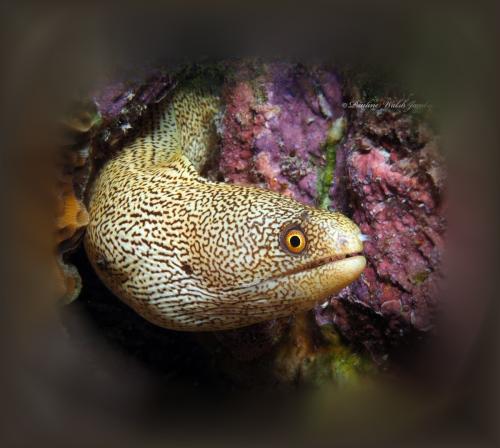
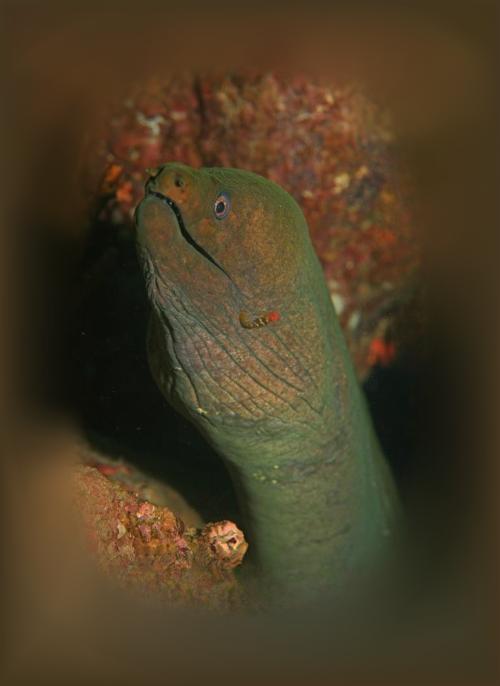
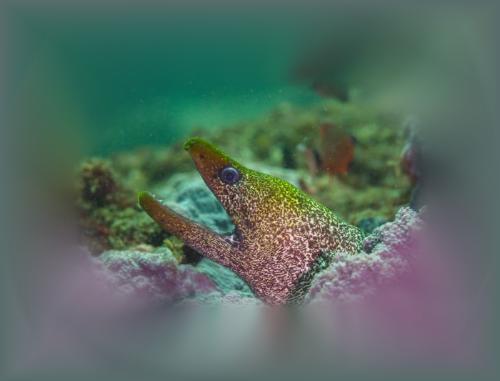
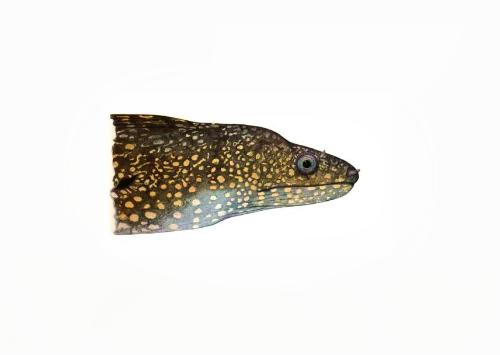
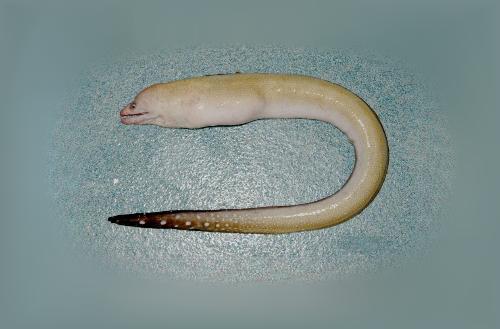
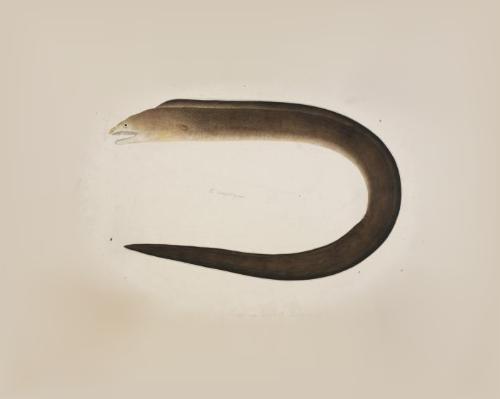
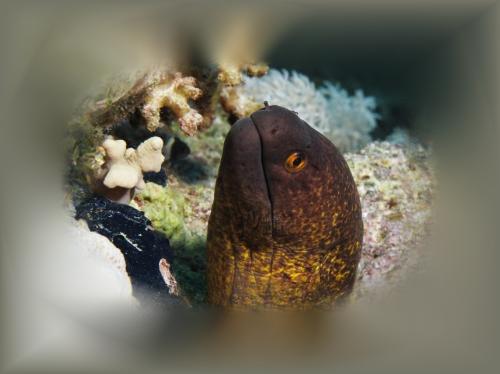
- laced moray
- eel
- dark moray
- giant moray
- congo
- freshwater moray
- greek
- sharktooth moray
- conger
- bastard eel
- chestnut moray
- honeycomb moray
- undulated moray
- speckled moray
- blackedge moray
- polygon moray
- Rüppell's moray
- blacktail moray
- hepatic moray
- Yellow-edged moray
- Golden Jackal
- Black widow spider
- Human Flea
- Dog Flea
- Oriental Rat Flea
- Hen Flea
- Northern Rat Flea
- chigoe flea
- Hedgehog Flea
- new zealand bat flea
Find your most suitable archetypes
Archetypes are facets of personality and behaviour: sometimes a hamster, sometimes a lion. Take a test for yourself, a friend or a pet.