
























The “Magpie” archetype
Cultural context
Across Europe and Asia the magpie has long been noticed for its black-and-white feathers that catch the sun like shards of mirror and for the way it snatches bright objects from doorsteps and fields. Villagers have watched it dart between roofs and hedges, then vanish with a stolen coin or a piece of foil, leaving a trail of unfinished stories. Because the bird appears at the edge of human sight and then disappears again, the magpie has become a quiet emblem of sudden change, of luck that arrives without warning and slips away just as quickly.
Scales
Seen in these tales the magpie carries a sharp current of rebellion, refusing any cage or schedule, while its curiosity keeps it probing every new hedge and rooftop. It senses a touch of the forbidden in every glittering scrap and therefore hoards them as though they held secrets. Status matters to it; the bird will leave its find on a windowsill where neighbours can notice the theft. Playfulness softens its tactics, yet the intellect behind the play is exact, weighing each glint before it strikes. It keeps its own counsel, values old roosting places, and still moves through the world with an inner sense that every branch leads somewhere deeper.
Core traits
At the centre of the magpie lies an unquenchable brightness, the kind that turns a dull lane into a theatre of sudden flashes. The bird’s white wing patches flare when it wheels above a garden, and the same flare draws other creatures to watch. Yet the light is restless; after a long day of raids the magpie can vanish into shadow, its own energy spent, while neighbours murmur about the show they have just witnessed.
Strong traits
Curiosity drives the magpie from one roof to the next, tasting every sound and colour before it moves on. That same quick mind invents new routes around a locked gate or a watching cat, proving how slyly it can rearrange the world. Beneath the mischief sits a quiet sense of meaning; the bird pauses on a branch as though listening for something older than the wind. Play keeps the pause brief, turning solemn observation into a sideways hop and a teasing call before the next theft begins.
Noticeable traits
The magpie keeps its plans half-hidden behind a flick of the tail, revealing nothing until the moment it strikes. At the same time it arranges its chosen objects in strict order along a fence rail, as though a private court were in session. When another bird approaches, the magpie offers a quick trade: a shiny button for a crust of bread, proving it understands the give-and-take of every encounter.
How to be around
To live near a magpie one must notice the small signals it leaves: a feather on the sill, a coin half-buried in gravel. Read those signs and the bird will test you with further flashes of movement, never quite explaining what it wants.
With a woman
When speaking with a woman who shares the magpie’s brightness, invite her into a long conversation about the future she is quietly building; she will stay if she feels the talk carries weight beyond the moment. Let her rearrange the evening’s plans on impulse, and do not press for a single fixed hour. She may keep certain hopes to herself, yet she will remember the one time you noticed a tiny success she never named aloud.
With a man
A man who moves like the magpie answers best when you bring him a fresh puzzle, whether a broken latch or an odd piece of news. He will turn the object over, test its edges, and forget the original errand until the new problem is solved. If tempers rise he may answer with silence rather than argument; wait until he returns with another question before you press the first point again.
With a teenage boy
A teenage boy with the magpie’s cunning will test any rule by inventing a side route around it. Notice the detour, name the cleverness without scolding, and he may let you see the next hidden step. Praise offered too loudly can make him retreat; instead, leave a small object he values where only he will find it.
With a teenage girl
A teenage girl who carries the magpie’s depth will watch a room until she locates the single detail that matters to her. Ask what she sees there; her answer may rearrange the whole evening. She dislikes being pulled into loud circles, yet she will step forward if the circle leaves an empty place shaped exactly for her voice.
With a child
A child who plays like the magpie turns every corridor into a treasure hunt and every dull chore into a game of hide-and-seek. Join the search for one bright button or lost marble, and the task finishes itself. When fatigue finally arrives the child drops where the last game ends; cover the small sleeper with whatever cloth is nearest and let the quiet last.
With an animal
An animal magpie studies the room from the curtain rail before it lands. Place a shallow dish of water near the window and step back; it will test the dish only after you have turned away. Once the route is learned it returns each morning at the same slant of light, never announcing itself until the wing-beat is already overhead.
After a quarrel
The magpie dislikes any hand that reaches for its chosen objects without asking. A woman will hold her silence and rearrange the entire table rather than yield one small coin. A man will fly the length of the room and return only when the intruder has left. A teenage boy meets the challenge with a sudden change of subject that leaves the quarrel hanging in mid-air. A teenage girl answers with a cool glance that measures the distance between her and the offender. A child will simply carry the contested trinket to another corner of the house. An animal magpie will drop every other task and guard the single branch where its collection lies.
How to befriend
The magpie remembers who brings small gifts without demanding anything back. A woman warms to the friend who leaves a single polished stone on the sill and never mentions it again. A man stays close to the companion who notices when an old custom is quietly kept and says nothing. A teenage boy draws nearer when the other keeps an odd tool ready for the next experiment. A teenage girl lingers if the friend saves the last page of a shared story for her to finish. A child trusts the adult who joins the search for one more shiny button without hurrying the game to its end. An animal magpie accepts the quiet presence of the person who refills the water dish at the same hour each day and then walks away.
Similar archetypes
Close facets: images with a similar set of qualities.
Complete opposite
The opposite facet: images whose qualities point the other way.
- Bed bug
- Mole
- somali ostrich
- Cockroach (domestic, red)
- common european toad
- Human Flea
- Dog Flea
- Oriental Rat Flea
- Hen Flea
- Northern Rat Flea
- chigoe flea
- Hedgehog Flea
- new zealand bat flea
- Martin Flea
- cat flea
- Ceratophyllus farreni
- Chaffinch Flea
- Rabbit Flea
- Mouse Flea
- sticktight flea
- Squirrel Flea
- Sparrow Flea
- Amalaraeus dissimilis
- Northern Flea
- Ceratophyllus chasteli
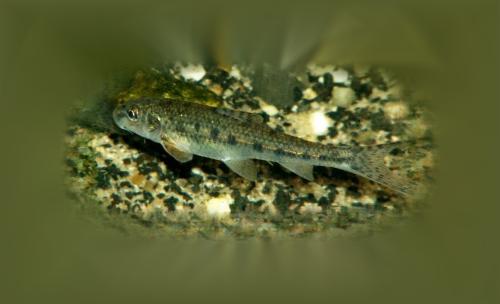
- Gudgeon
- wild boar
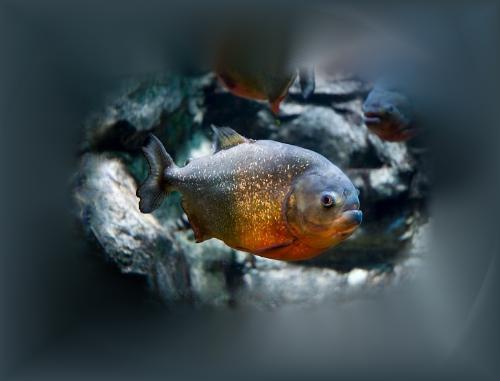
- Piranha
- Turkey
- mallard
Traits and their opposites
Each trait of this archetype — and what is opposite to it.
- Spirituality ↔ Pragmatism
Find your most suitable archetypes
Archetypes are facets of personality and behaviour: sometimes a hamster, sometimes a lion. Take a test for yourself, a friend or a pet.