











The “Caecilian” archetype
Cultural context
The rubber eel glides through black waters that never see the sun, a living thread of memory drawn from the silt of ages. Quiet as a held breath, it slips between roots and stones where daylight never settles, and every slow undulation carries the patience of things that outlast storms. In such darkness the creature becomes a keeper of what the land forgets, holding centuries in the cool weight of its body.
Scales
Living as it does where light thins and time thickens, the rubber eel reads in the old stories as a figure of self-rule and patient endurance. It keeps its own counsel, follows rhythms older than any human calendar, and carries a reverence for continuity even while its body drifts without fuss or claim. Its world values the slow pulse of renewal more than any sudden blaze of display, and the eel’s modest presence quietly stitches that hidden order together.
Core traits
Nocturnal Essence runs through the rubber eel like the steady current that never stops. It moves when everything else sleeps, threading between shadows with a mind sharpened by silence, yet the same rhythm that lets it work alone can leave it weary under open sky. In the hush of midnight waters it gathers the clear thoughts others miss, and its strength is the calm it finds where light does not reach.
Strong traits
Aquaticness lets the rubber eel bend around obstacles rather than shatter against them, while Resilience keeps it steady through droughts and floods alike. Subterranean ways grant it the patience to sift silt for meaning and to labour without haste, and Harmony draws loose ends of life into a single, unbroken flow. Together these gifts let it slip through changes that would strand anything less supple, and the same gifts sometimes leave it circling instead of landing on a single course.
Noticeable traits
Stealth keeps the rubber eel’s plans folded inside its own coils until the moment to act arrives, and Independence lets it travel far without waiting for company. It reads the temperature of hidden pools long before any ripple reaches the surface, and it can chart a whole life through channels no one else has entered. Yet both habits can draw it deeper into solitude than it intended, until the water itself seems to speak louder than any voice from above.
How to be around
Approach the rubber eel by matching its pace: move softly, speak little, and let the water carry your presence rather than your words. It notices the smallest shift in current long before it notices a face, so steadiness and quiet earn more trust than any sudden greeting.
With a woman
A woman rubber eel thinks best after the lamps are out, so bring questions when the house is quiet and the day’s noise has settled. She will answer more fully once she has finished her own thoughts, and she values a listener who waits without pressing. Give her the small freedom to change a plan if the current feels wrong, yet stand beside the promise once it is made; that balance respects both her need for honest dealing and her instinct to keep peace without argument.
With a man
A man rubber eel measures time in seasons rather than hours, so do not ask him to decide before the water has had its say. He keeps routines like a river keeps its bed, and sudden rerouting unsettles him more than any single obstacle. Let the old pattern stand unless a real need arises, and when change must come, show how it still honours what came before; that steadiness keeps both his sense of order and his loose hold on small daily habits intact.
With a teenage boy
A teenage boy rubber eel needs long stretches of still water before he speaks, so offer him the choice to sit apart when the group grows loud. He carries questions about closeness like stones in a pocket, turning them over in private before he shows any edge. Give him time to test trust at his own depth, and do not crowd the moment he finally drifts closer; the same caution that slows his answers also guards the loyalty he eventually offers.
With a teenage girl
A teenage girl rubber eel studies the grain of things others overlook, and her gaze lingers longest where colour is absent. She reads the weight of a room the way the eel reads pressure against its skin, and she prefers to name what she sees rather than dress it in borrowed brightness. Let her keep the plain view she has earned, and notice the strength that grows from working quietly inside limits others would call narrow.
With a child
A child rubber eel settles arguments by rearranging the pieces until nothing jars, and the same care that smooths quarrels can make decisions wait. Offer two clear paths rather than an open field, and let the choice itself become the play. When feelings rise, place a hand on the cool stone beside them instead of asking for words; the body knows balance before the tongue does, and the child learns quickest when the lesson can be felt through touch.
With an animal
An animal rubber eel hides its plans inside the curve of its body, so give it a tunnel or a cave it can enter without being seen. It will repay the courtesy by keeping watch from the dark edge rather than the centre. Leave offerings at the mouth of its shelter and step away; the gift is accepted more readily when the giver does not stay to count the cost.
After a quarrel
The rubber eel keeps its own counsel so firmly that any demand for instant company can push it into deeper retreat. A woman feels the sting when her word is brushed aside as if it carried no weight; a man withdraws when someone rearranges his settled order without asking; a teenage boy tenses if his chosen silence is treated as sulking; a teenage girl closes off when questions chase her into the open before she is ready; a child startles when the familiar current of the day is suddenly reversed; an animal coils tight if its hiding place is flooded with light or hands.
How to befriend
The rubber eel answers to the slow pull of meaning rather than to noise or hurry, and friendship grows where that meaning can be shared without being named too soon. A woman draws nearer when she sees that her quiet observations are kept safe rather than displayed; a man stays when the old rhythm of the day is respected and small changes are discussed first; a teenage boy opens when his independence is treated as strength, not distance; a teenage girl trusts the one who lets her name beauty or its absence in her own words; a child stays close to the hand that steadies without steering; an animal returns to the palm that waits at the tunnel mouth and never reaches inside uninvited.
Similar archetypes
Close facets: images with a similar set of qualities.
- Chinese giant salamander
- brown lipped snail
- Achatina
- Oriental Toad
- Sloth
- Matamata
- Pacific oyster
- Hell Toad
Complete opposite
The opposite facet: images whose qualities point the other way.
- Sparrow
- black-billed capercaillie
- rainbow boa
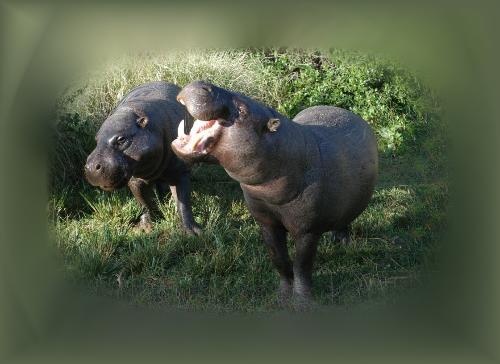
- pygmy hippopotamus
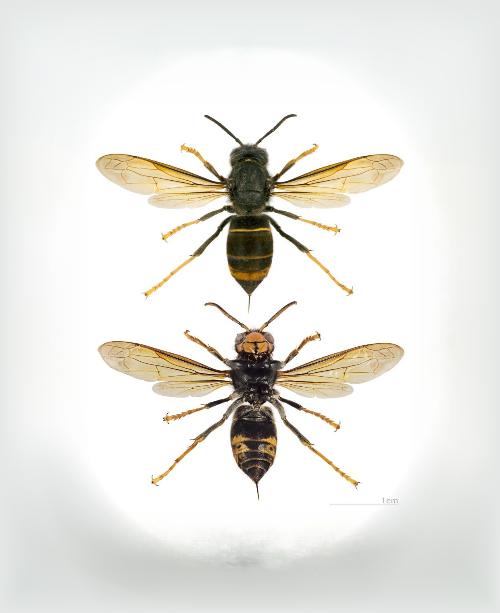
- Wasp
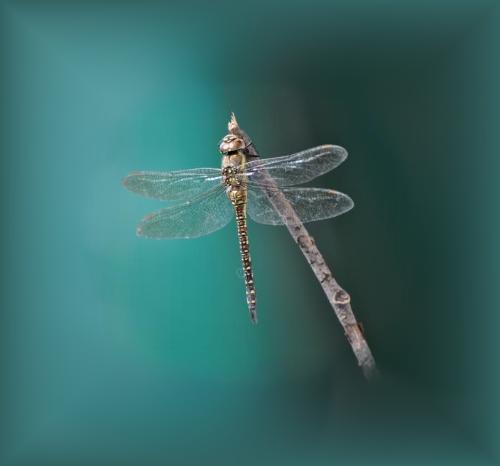
- broad-bodied chaser
- red-veined darter
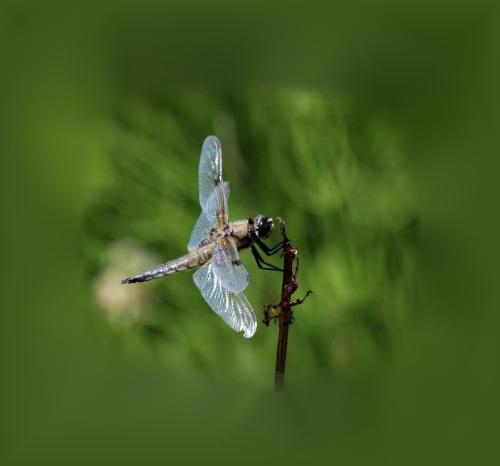
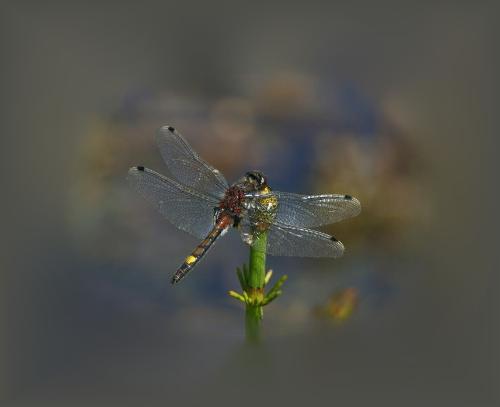
- four-spotted chaser
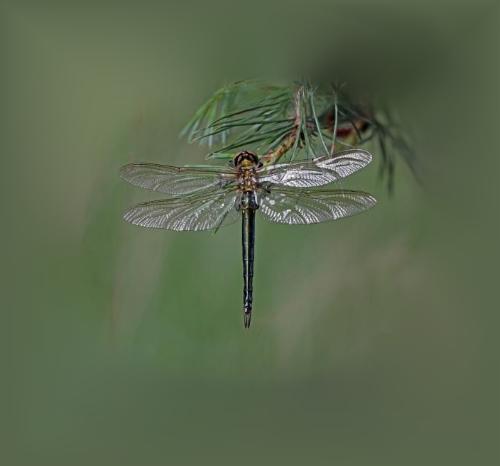
- sedge darner
- black darter
- hairy hawker
- robust spreadwing
- blue hawker
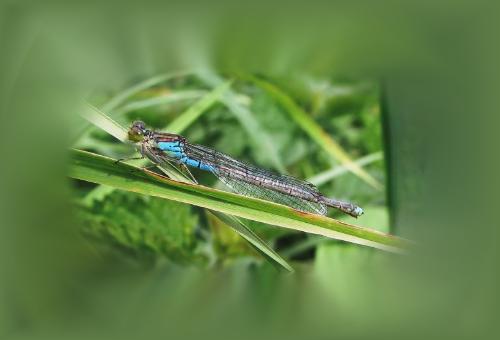
- common bluet
- variable bluet
- azure bluet
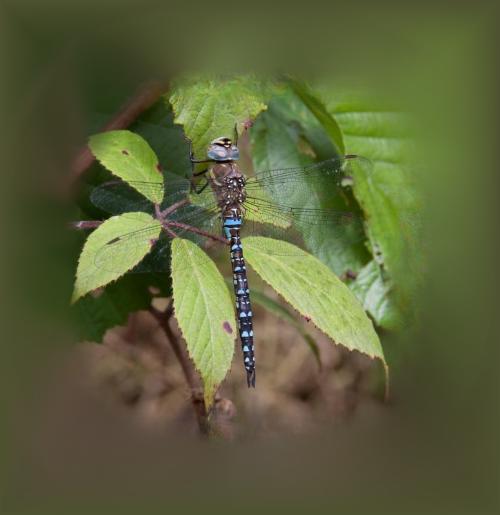
- migrant hawker
- downy emerald
- small redeye
- crescent bluet
- brillant emerald
- large white-faced darter
- common darter
- migrant spreadwing
- red-eyed damselfly
- Seagull
- Turkey
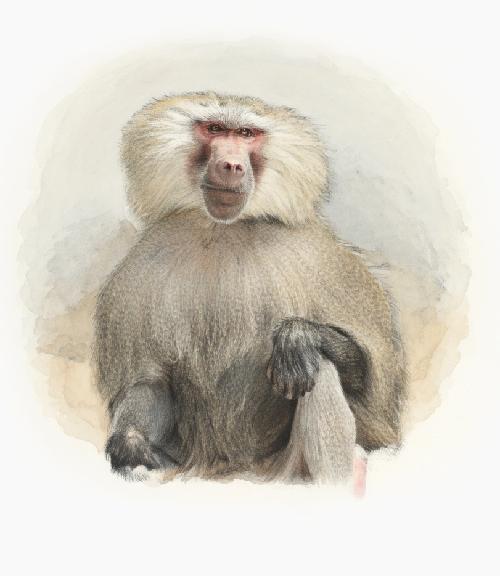
- Hamadryas baboon
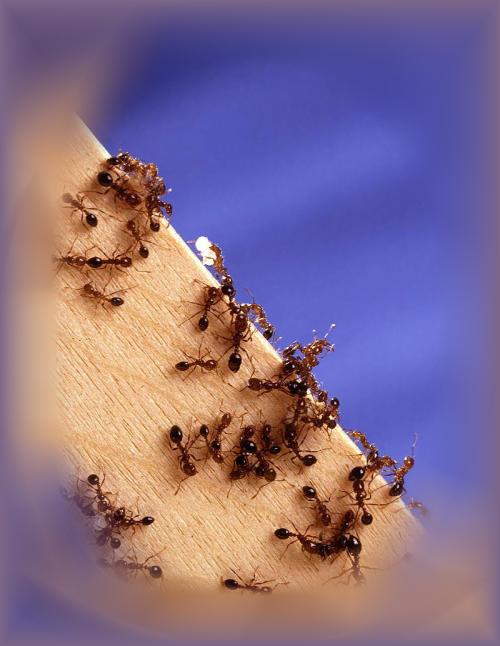
- Fire ant
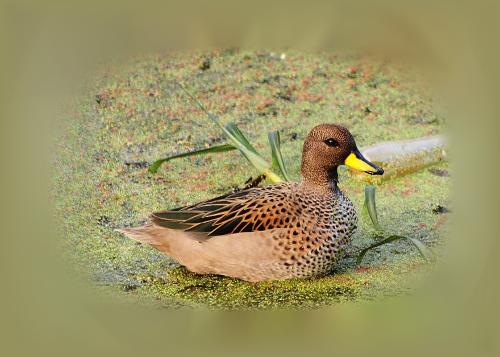
- mallard
Traits and their opposites
Each trait of this archetype — and what is opposite to it.
- Resilience ↔ Fragility
- Nocturnal Essence ↔ Diurnal Essence
Find your most suitable archetypes
Archetypes are facets of personality and behaviour: sometimes a hamster, sometimes a lion. Take a test for yourself, a friend or a pet.