













The “Pacific oyster” archetype
Cultural context
Across the coasts of Europe, China, Korea and Japan the Japanese oyster has long been gathered, eaten and revered. In each place it stands for the same steady presence: a creature that stays fixed to the rock while the tide pulls and the seasons wheel, drawing salt and silt through its body until both flesh and shell grow thicker. People see in it the quiet thrift that survives lean years, the patience that waits for the right month to open, and the plain fact that life can be rich without ever leaving the shore.
Scales
In the old coastal stories the Japanese oyster sits at the meeting of endurance and intimacy. Its life stretches across many tides, so the mind behind it values what lasts rather than what flashes once. It keeps its valves tight against storm and sun yet opens readily when the water warms, turning the same motion into both shelter and meeting. Discipline runs through every layer of shell; custom is followed without flourish; strength is shown by remaining in place when others are swept away.
Core traits
Harmony lies at the core of the Japanese oyster. It smooths the friction between wave and stone, between one shell and the next, until the whole bed rests in a single rhythm. When two currents meet it does not choose sides; it lets each pass and keeps the water clear. Yet this gift for balance can also hold back a needed shift, letting the same old gravel settle again and again while the season for change slips past.
Strong traits
Seasonality, resilience, simplicity and another quiet form of resilience mark the Japanese oyster in turn. It opens and closes with the moon, feeding when the water is richest and resting when cold currents return. After a storm it rights itself on the same rock, thicker for the silt it has taken in. It needs no ornament; a single valve does all the work. And because it stays fixed through years of shifting sand, its very stillness becomes another kind of strength.
Noticeable traits
Hoarding and ordinariness sit side by side in the Japanese oyster. Each valve stores a little more of the sea’s minerals, ready for the months when food thins. At the same time it asks nothing of the eye: dull grey outside, pale inside, content to be overlooked while it keeps the bed alive. Its plainness is not lack; it is the surface that lets the work continue without notice.
How to be around
Approach the Japanese oyster by moving with the tide rather than against it. Give warning before any change reaches its shell, and let the water settle again before you ask for more. Its strength appears in stillness; any sudden lift only makes the valves close tighter.
With a woman
A woman shaped like the Japanese oyster keeps the household rhythm steady across changing seasons. She settles disputes before they reach open water, yet she may leave an awkward word unsaid for another tide. Offer her a hand that matches her pace; she will feel the warmth through the shell and answer with a longer opening. Her body keeps its own calendar, so notice when the current slows and do not press for brightness then.
With a man
A man like the Japanese oyster follows the pull of warmth and the turn of months. He draws close when the water is right, then rests when the cold returns. Share a simple task that repeats with the seasons; he will meet it without flourish. He keeps older ways because they have already proved their fit, and he finds quiet meaning in the same stretch of shore each year.
With a teenage boy
A teenage boy who carries the Japanese oyster’s resilience will rise again after every setback, yet he may linger too long on the same rock. Give him duties that return at the same hour each day; order steadies him. He treats ordinary places as quietly set apart, so do not mock the corner he keeps for himself. Praise arrives best as a brief nod when the work is done, not a speech.
With a teenage girl
A teenage girl who moves with the Japanese oyster’s simplicity prefers the same route to school and the same seat at the table. She straightens what is crooked and lets the rest be. When she smooths a quarrel among friends she restores the bed to level; let her finish the task without adding new stones. She notices the colour of evening light on the water and keeps the memory without naming it.
With a child
A child who holds the Japanese oyster’s long patience will stay with one game long after others have moved on. Offer the same wooden boat each evening and a place by the window where the tide can be watched. The child will weigh a promise carefully before giving an answer; once given, the word stays fixed. Small acts of fairness matter more than grand surprises.
With an animal
An animal that shares the Japanese oyster’s habit of gathering will tuck bits of straw or shell into one corner and return to them each night. Keep that corner untouched and the feeding times regular. It will accept a gentle hand only after the rhythm is known, and it will turn away from sudden noise as a valve closes against a rough current.
After a quarrel
The Japanese oyster closes when its daily order is broken. A woman feels the cut most when someone questions whether she will still be there tomorrow; the valves tighten around that doubt. A man takes offence if another load is dropped on him without warning, the extra weight pulling against the grain of the season. A teenage boy withdraws when his steady effort is laughed at as dull. A teenage girl retreats if her careful arrangement of friends is treated as fussiness. A child grows still and silent when a promised routine is skipped. An animal backs into its corner if its small hoard is scattered or its resting time is shortened.
How to befriend
The Japanese oyster opens to those who keep the same slow measure. A woman answers a voice that stays even when the day has been long. A man lets another share the work only after the newcomer has stood through one full turning of the tide. A teenage boy warms to the person who simply waits beside him while he finishes what he began. A teenage girl trusts the one who notices the small order she has made and leaves it untouched. A child draws nearer to whoever returns at the same hour each evening. An animal accepts company once the newcomer has learned the length of its rest and does not shorten it.
Similar archetypes
Close facets: images with a similar set of qualities.
- Mussel
- Pearl oyster
- brown lipped snail
- Achatina
- Oriental Toad
- Spotted salamander
- Giant Clam
- Matamata
Complete opposite
The opposite facet: images whose qualities point the other way.
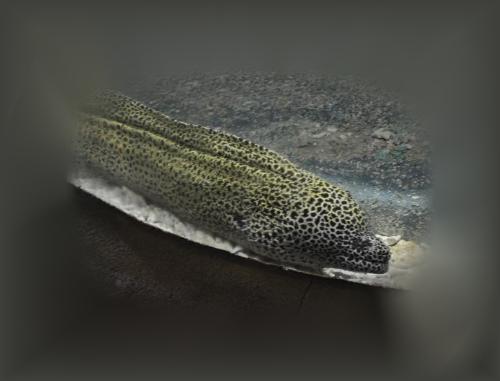
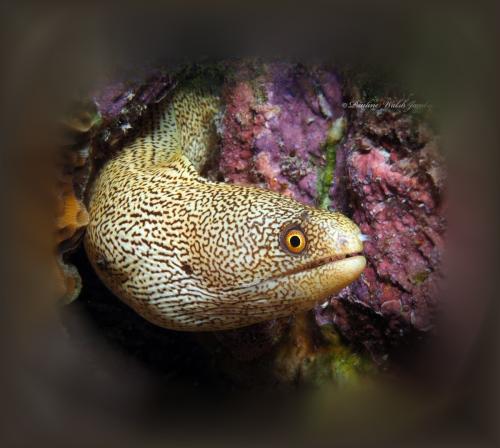
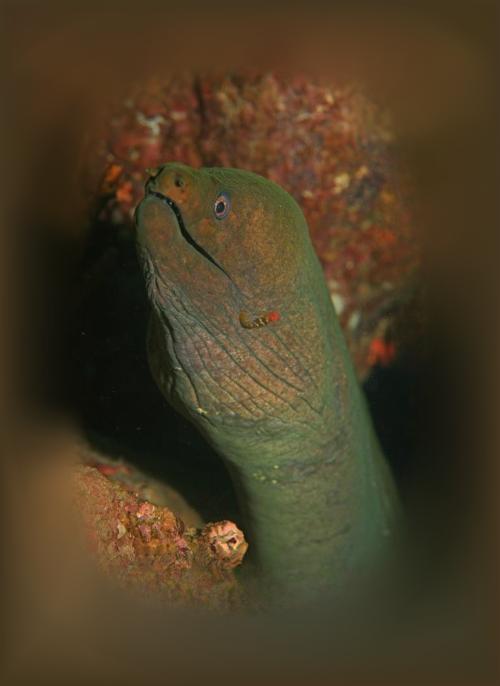
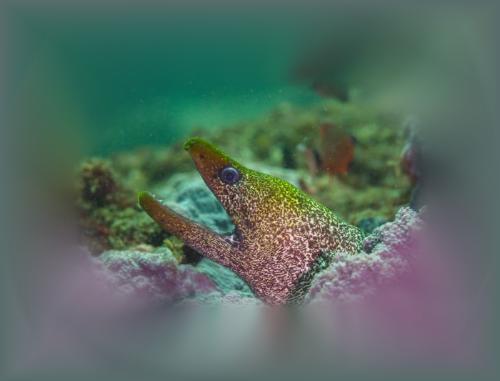
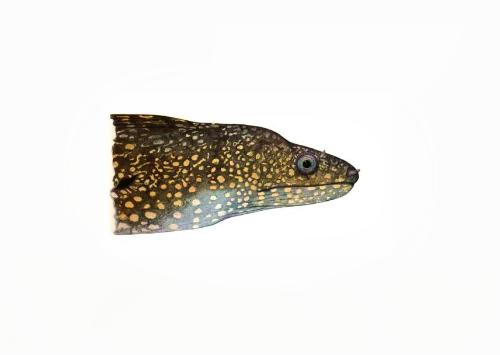
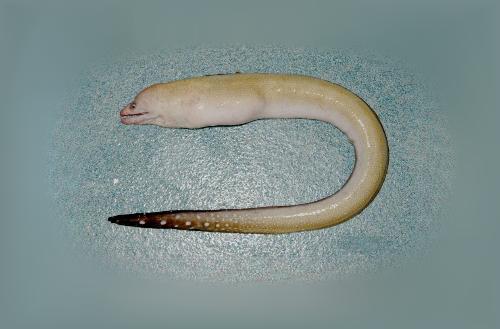
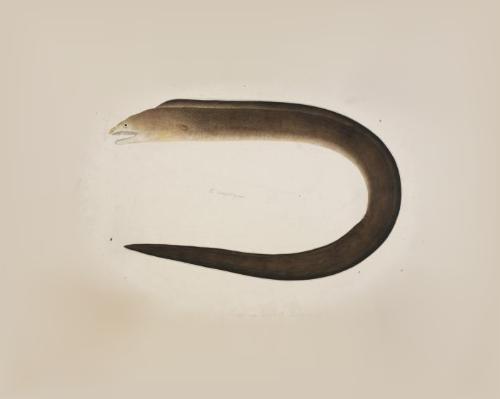
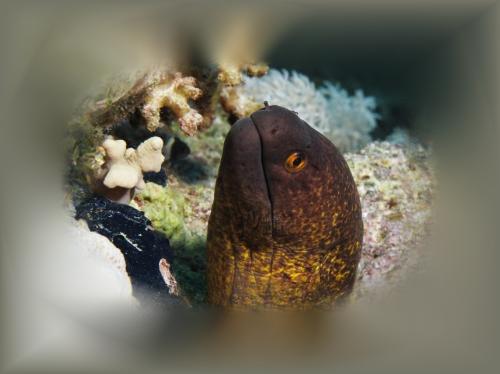
- laced moray
- eel
- dark moray
- giant moray
- congo
- freshwater moray
- greek
- sharktooth moray
- conger
- bastard eel
- chestnut moray
- honeycomb moray
- undulated moray
- speckled moray
- blackedge moray
- polygon moray
- Rüppell's moray
- blacktail moray
- hepatic moray
- Yellow-edged moray
- Jameson's mamba
- western green mamba
- green mamba
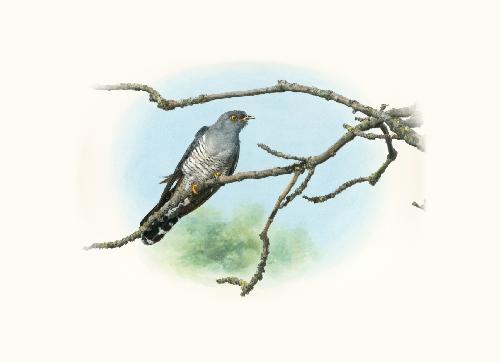
- European Cuckoo
- false bat
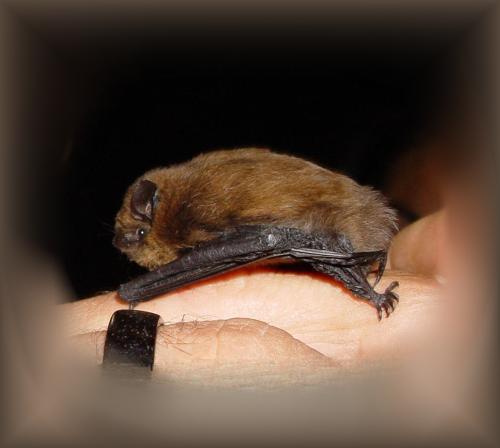
- common pipistrelle
- pygmy pipistrelle
- common pipistrelle
- serotine
- natterers bat
Traits and their opposites
Each trait of this archetype — and what is opposite to it.
- Simplicity ↔ Sophistication
- Resilience ↔ Fragility
Find your most suitable archetypes
Archetypes are facets of personality and behaviour: sometimes a hamster, sometimes a lion. Take a test for yourself, a friend or a pet.