












The “Black mamba” archetype
Cultural context
Across the African savanna, the Dendroaspis polylepis glides like a blade of shadow through tall grass, a figure that whole villages still name when they speak of sudden danger. Its long body leaves no track behind it, only the dry rustle of leaves and the faint scent of dust; yet its speed leaves the air trembling. Elders recall how a single strike can outrun a hare, and how that same body coils in the branches like a black ribbon left by the wind. People keep their distance, not because the serpent hunts them, but because it moves with an authority that asks for none of their consent.
Scales
In the same lands the serpent is known for unyielding strength of limb and a cold refusal to linger in any company. It claims its ground without ceremony, trusts no counsel but its own nerves, and will turn away from any path that feels forced upon it. When the mind turns inward, the body follows, tasting every shift of heat and vibration. The long view of seasons and drought draws it forward, while the hunger for touch or alliance remains only a passing shadow on its scales.
Core traits
Speed runs through its every motion like lightning along a wire; decisions are taken before the mind has time to weigh them twice. A branch is chosen, a strike launched, a retreat begun, all within the single beat of a startled heart. That haste can carry the serpent past a hidden stone or an unseen rival, yet it is this same arrow-flight of thought that keeps it alive when the grass itself seems to move against it.
Strong traits
Solitude is its chosen weather. It accepts no escort through the thorn thickets, nor does it pause to hear advice offered from safer ground. Its very outline warns others away: the lifted head, the faint quiver of the tongue, the sudden stillness that can turn into a blur of motion. That quiet threat is not bluster but a map drawn in the air; those who read it correctly step aside, while those who do not learn the cost in a single heartbeat.
Noticeable traits
It keeps its plans folded inside its coils, sharing nothing until the moment of need has already passed. Yet now and then it will rest in the same patch of sun as another of its kind, the two bodies side by side without touch or sound, a brief truce that ends the instant either senses a change in the air.
How to be around
To move beside the Dendroaspis polylepis one must match its pace without crowding its path, watch the small signs of tension along its length, and leave an open route should it choose to slip away.
With a woman
When a woman carries this temper she answers a question before it has finished forming, her mind already three steps ahead along the trail. She values the strength that lives in muscle and bone, yet she will also keep an eye on the distant horizon where plans older than any single season still hold their shape. Closeness interests her, but only when it does not slow the forward rush of her own intentions.
With a man
A man of the same cast prefers to settle his own course without an audience. He reads the land and the hour for meanings that others miss, and he keeps his counsel even when the work grows heavy. Laughter rarely visits his face while a task remains unfinished; he treats every undertaking as a private covenant between himself and the day.
With a teenage boy
A teenage boy draws an invisible line around his choices and darkens if anyone steps across it without warning. He resists the easy path the group has taken, testing instead the steep slope or the overgrown track. He may bend a rule quietly to serve his own sense of what is owed, yet a new challenge can still pull him forward before the old one is finished.
With a teenage girl
A teenage girl reads the room the way the serpent reads the grass, choosing her moment with care. She can sustain effort long after others have tired, yet she also knows how to unsettle an arrangement that no longer suits her. She keeps older customs only when they still serve a purpose she can name.
With a child
A child draws notice without seeking it; other children grow still when this one enters the circle. Thought arrives early, questions arrive sharper than expected, and the wish to manage every small territory is never far away. The child will share only what has already been weighed and found safe.
With an animal
An animal keeps its enclosure mapped to the last scale of bark or stone. It moves along habitual routes with quiet precision, pausing only when a scent or vibration asks for a second reading. Order is its comfort; any sudden rearrangement of objects brings a tightening along the spine.
After a quarrel
The Dendroaspis polylepis turns cold when its standing feels questioned or its silence is taken for consent, recoiling like a black ribbon of muscle drawn tight under midday glare. A woman withdraws her attention the moment praise begins to sound like persuasion, letting the dinner-table chatter drift past her untouched plate while candlelight catches the sudden frost in her eyes. A man meets any public correction with a stare that ends conversation, the hush around him thick as smoke from a snuffed wick. A teenage boy answers pressure with sudden departure, sneakers slapping down an empty corridor before anyone can call his name. A teenage girl answers dismissal with flawless politeness that reveals nothing further, each courteous syllable a smooth pebble dropped into still water. A child meets interference by hiding every next intention, slipping the forbidden drawing beneath the rug where only the cat’s paw will find it. An animal answers trespass by striking first and retreating to higher ground, a dry rattle of scales vanishing into sun-baked rock before the intruder’s shadow can lengthen.
How to befriend
The Dendroaspis polylepis grants trust only after long observation and never yields it twice to the same mistake. A woman values a companion who waits for her signal before acting. A man values another who keeps a separate watch rather than crowding his own. A teenage boy values the friend who takes the harder route without asking permission. A teenage girl values the one who notices small shifts in her mood without naming them. A child values the adult who leaves an object exactly where it was set down. An animal values the hand that offers food and then withdraws without further touch.
Similar archetypes
Close facets: images with a similar set of qualities.
- Tiger shark
- porbeagle
- Blue shark
- Komodo dragon
- Saltwater crocodile
- Mako Shark
- Honey badger
- Hammerhead shark
Complete opposite
The opposite facet: images whose qualities point the other way.
- wild boar
- mallard
- tibetan serin
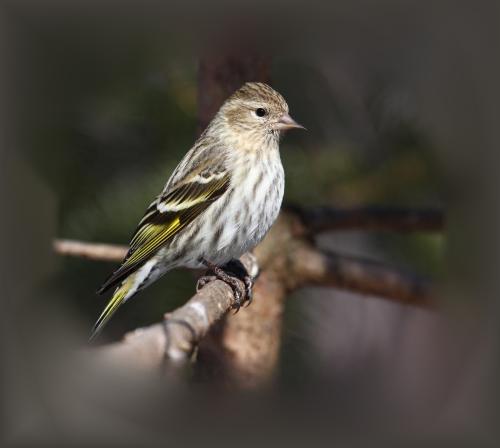
- pine siskin
- andean siskin
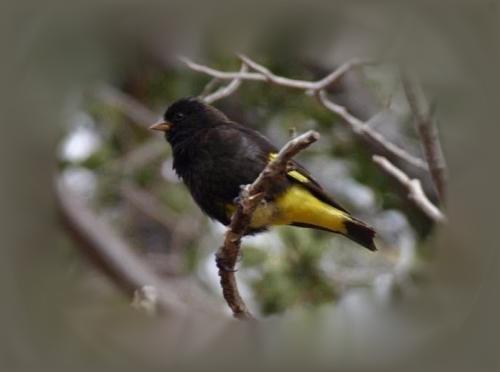
- black siskin
- eurasian siskin
- eurasian siskin
- eurasian siskin
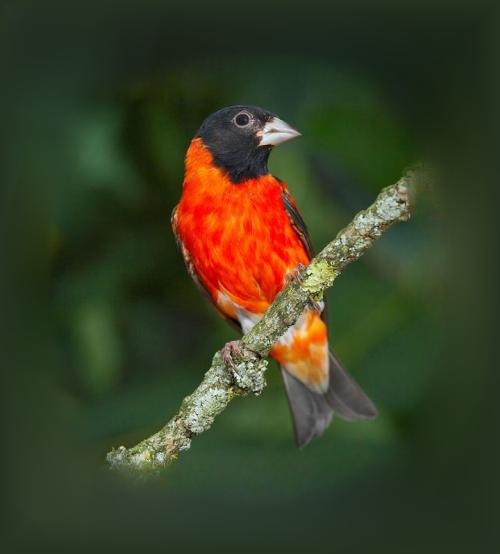
- red siskin
- saffron siskin
- red siskin
- black siskin
- black-capped siskin
- antillean siskin
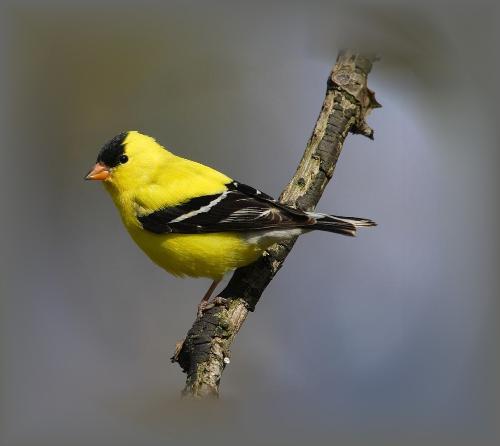
- american goldfinch
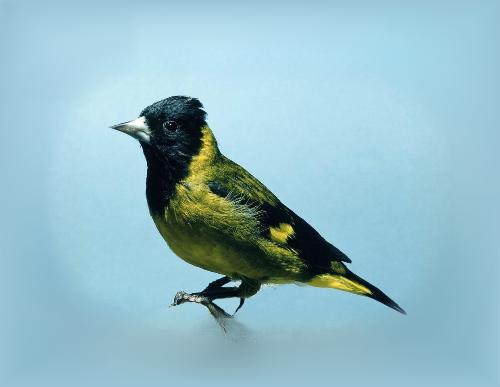
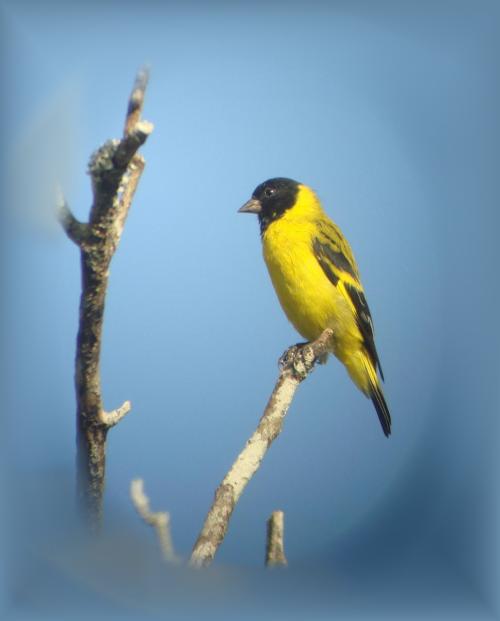
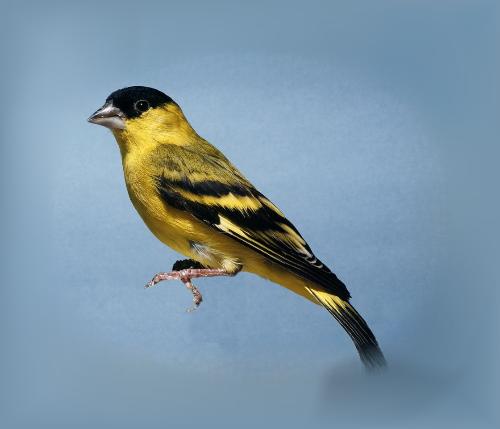
- black-headed siskin
- eurasian siskin
- eurasian siskin
- Black-headed Siskin
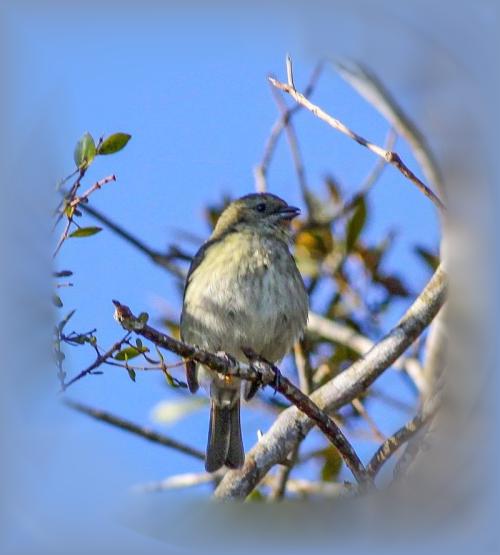
- olivaceous siskin
- eurasian siskin
- eurasian siskin
- eurasian siskin
- eurasian siskin
- eurasian siskin
- eurasian siskin
- eurasian siskin
- hooded siskin
- eurasian siskin
Find your most suitable archetypes
Archetypes are facets of personality and behaviour: sometimes a hamster, sometimes a lion. Take a test for yourself, a friend or a pet.