










The “Turkey” archetype
Cultural context
Few birds carry as much baggage as the turkey. In European tradition it is the bird of the feast, a sign of harvest and of a full winter table, carved with ceremony. Among North American Indians it was tied to ritual and to dealings with the spirits. A spread tail could be read as majesty in one telling and as a warning in another: look at what vanity does to a creature that cannot stop admiring itself. That double reading follows the archetype everywhere. The turkey in a person is a showman who loves applause, sweeps into a room fanned and gleaming, and sometimes learns, with a stumble before everyone, how thin the splendor can be.
Scales
Turkey energy is easy to spot. In company it is bold and loud, hungry for rank and the best seat at the table, and it likes a rough-and-tumble game, a joke, a feat of strength. Underneath, judgment stays shallow: opinions come fast and sit on the surface, and anything new is met with a frown and a retreat to the familiar. Rules and plans bore it, so work gets done in a muddle, with a carefree shrug. It bargains slyly, helps itself first, and feels entitled to the larger portion. Quarrels come easily, and stubbornness makes them long. Yet there is real vigor here, a sturdy, athletic body that enjoys using itself, and a playfulness for which people forgive a great deal. Tradition means little to it for its own sake, though it will happily follow a crowd that is looking its way.
Strong traits
Foolishness, self-satisfaction and boastfulness sit at the center of the turkey, and they work as a team. The foolish part wanders in a fog of its own thoughts, where instinct crowds out clear thinking and decisions land at random; the saving grace is that it can learn from a bruise and now and then swerve into something unexpectedly good. Self-satisfaction supplies a steady inner conviction of being worth a great deal. Healthy up to a point, it turns into a wall once the turkey stops noticing anyone else's merits. Boastfulness then does the advertising. Every small win is polished into legend, every setback quietly dropped from the story, and the listeners begin to look for the door. The tale gets told anyway, feathers spread.
How to be around
Handling a turkey well starts with giving it a stage. Let it tell the story, show the trick, take the first bow, and then ask the plain question that brings it down to earth: what happens next? Praise the specific thing it did, not the general glow. Bluster fades faster when someone is genuinely curious, and a friendly challenge steers it more reliably than a lecture.
With a woman
With a woman-turkey, hand over the microphone: ask her to open the evening, introduce the guests or pitch her idea to the table. Afterwards, entrust her with one dull, exact task, such as the guest list or the budget, and thank her for it by name while others are listening. Admiration earns her cooperation; mockery earns you an adversary for a season.
With a man
A man-turkey wants a big plan and a big toast, so give him both, then pin the plan to a calendar. Ask which three steps come first and who will take them. If he begins to inflate the story, request a detail he can't wave away: a date, a number, a name. Facts cool him faster than teasing, and he usually grins when caught, since he enjoys a good challenge.
With a teenage boy
A teenage boy-turkey needs somewhere to spend his strength: a climbing wall, a wrestling mat, a pickup match where the score is honest. Losing there teaches him more than your words. At home, ask him to show you how something works, listen to the whole explanation without correcting, and only at the end offer one question of your own. He will carry it around for days.
With a teenage girl
A teenage girl-turkey shines when she can perform: give her a part in the school play, the karaoke night, the family quiz with her as host. When she fumbles a line or flubs a fact, laugh with her at once and run the bit again. Taking the joke on herself is a skill she is only learning, and she picks it up from watching you do it.
With a child
A child-turkey will strut the moment a paper crown appears. Stage a parade down the hallway, appoint him chief of something small, such as watering the plant or counting spoons. When his chest puffs out too far, switch to a game where bragging is useless and catching, balancing or hide-and-seek decides who wins.
With an animal
An animal-turkey wants height and an audience. A stump, a low wall or a stack of crates in the yard gives it a podium, and a scatter of grain after its fanned-tail display tells it the show landed. Meet its loud gobbling with calm; a shout back only convinces it the performance is working, so reply with a handful of feed, not with volume.
After a quarrel
To quarrel with a turkey or get under its skin, laugh at it in front of an audience, call it a fool, and take the stage away mid-sentence. A man flares when he is interrupted just as the punchline arrives. A woman bristles when someone corrects her in public. A teenage boy erupts at a comparison with a luckier rival, while a teenage girl is stung by a joke about her voice or her outfit. The child sobs when nobody at the table notices his new trick, and the animal ruffles up, spreads its tail and charges anyone who trespasses on its favorite perch. Whatever the age, the sore spot is the same: the fear of being ordinary.
How to befriend
To befriend a turkey or win it over, become the audience it has been looking for: attentive, amused, and quick to applaud the right moments. Offer a man a joint project with a visible result, such as a built shed or a won tournament. Ask a woman a sincere question about her latest venture and let her answer at length. Invite the teenage boy to a contest where muscle counts, give the teenage girl a stage and a friendly crowd, and build the child a cushion castle with a throne on top. The animal is won by patience: feed it from your hand at the same hour each day, and admire the tail aloud. Any turkey will remember who clapped first.
Similar archetypes
Close facets: images with a similar set of qualities.
- black-crowned night heron
- Blanc de l'Ouest Pig
- rainbow boa
- Hamster
- concepcion toad
- Lesser Cuckoo
- laced moray
- eel
Complete opposite
The opposite facet: images whose qualities point the other way.
- Grass Snake
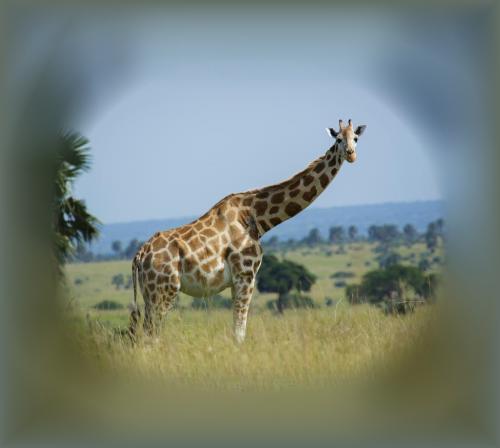
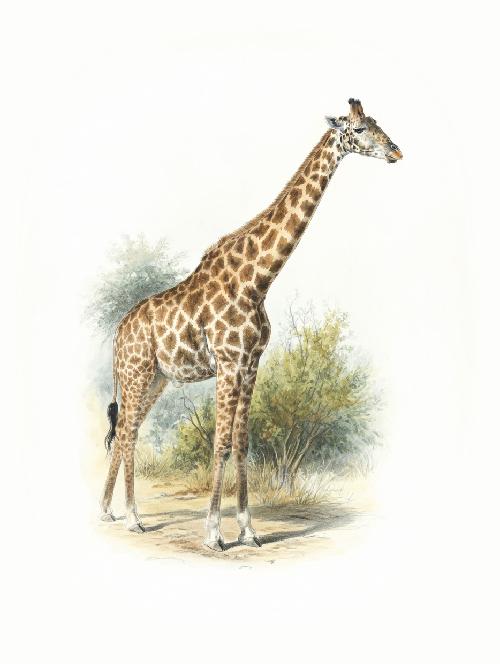
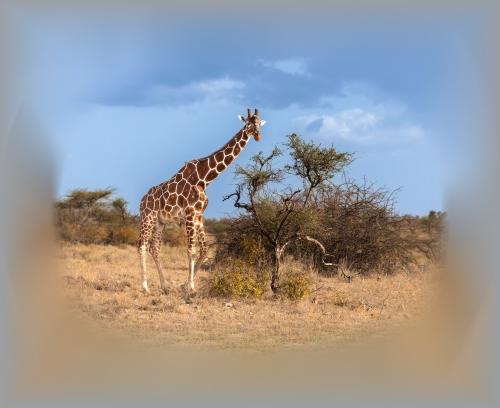
- giraffe
- rhodesian giraffe
- Angolan Giraffe
- Reticulated Giraffe
- Reticulated Giraffe
- Southern Giraffe
- Angolan Giraffe
- giraffe
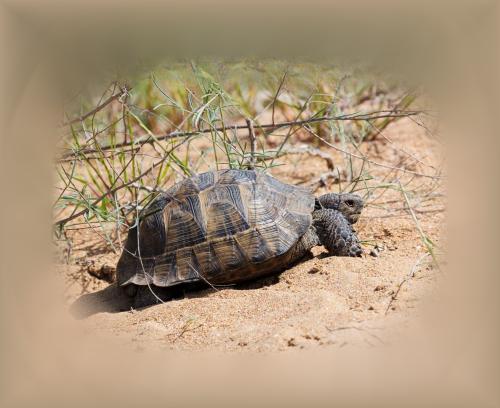
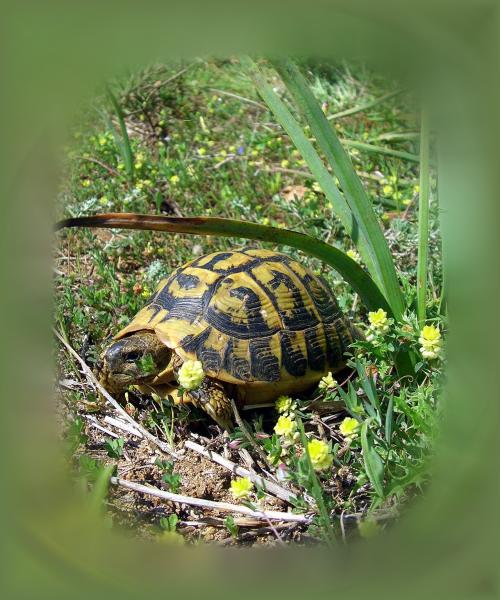
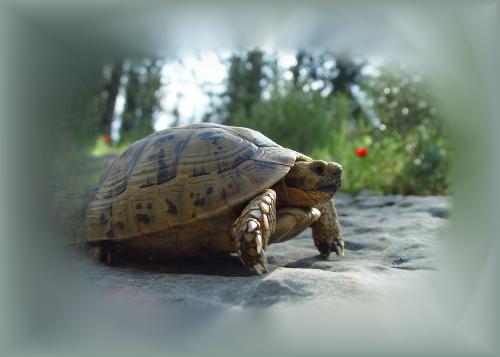
- greek tortoise
- Greek Tortoise
- afghan tortoise
- leith's tortoise
- margined tortoise
- mediterranean spur-thighed tortoise
- western hermann's tortoise
- hermann's tortoise
- Tunisian tortoise
- Armenian tortoise
- Greek tortoise
- Levantine tortoise
- Egyptian tortoise
- Hellenic tortoise
- Duck
- Densely Lamellate Oyster
- Sturgeon
- bunny
- Tortoise (land)
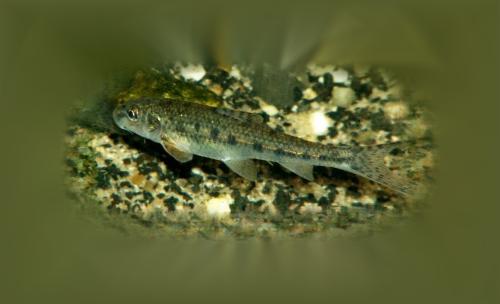
- Gudgeon
- Reindeer
Find your most suitable archetypes
Archetypes are facets of personality and behaviour: sometimes a hamster, sometimes a lion. Take a test for yourself, a friend or a pet.