




















The “bunny” archetype
Cultural context
The rabbit arrives in European folklore as a creature of home and abundance, forever balanced between vulnerability and quick wit. Pastoral paintings fill their meadows with rabbits, and old stories treat them as tokens of fertility and the safe burrow. In Russia, the rabbit is a hearth animal, tied to family warmth, a full larder and a sheltered life. Yet comfort has a shadow: the instinct to dive underground can turn into timidity, a habit of staying out of sight. In China, rabbits sit within the cycle of twelve animals and the lunar calendar, where they stand for peace, long life and quiet strength. Across all three traditions the rabbit rewards those who can build a refuge, in a room or in a heart.
Scales
Seen through these traditions, a rabbit is thoughtful and tender. It feels deeply, wants closeness and keeps looking for meaning in what happens around it, and it has little appetite for horseplay. A rabbit tends to be serious, even when it is simply sitting in a patch of sun. It prefers reserve to display and a quiet corner to a noisy crowd. Its mind goes for depth, it holds to custom, it favours fairness and gentleness, and it is open to the unfamiliar so long as the unfamiliar approaches slowly. Beneath that careful surface lies a stubborn vitality that has kept its kind going for centuries.
Strong traits
Fertility, wisdom, friendliness and defencelessness run through the rabbit most strongly, with purity, honesty, sensitivity and cowardice not far behind. It gives energy freely and sparks new things around it, though it often promises more than it can carry. Experience teaches it patience; the price is hesitation when a choice is due. It makes friends quickly and is wary of open conflict, and its openness draws affection while also inviting those who would exploit it. Plain speech and a clean conscience build trust, though a blunt word can sting. Because it picks up every shift of mood, stress finds it easily. And its fear is rarely about a visible threat: it is an instinct to withdraw whenever courage is asked for, even on perfectly safe ground.
Noticeable traits
Speed, secrecy and a soft will sit in the middle of the rabbit's character. It can bolt into a decision in a heartbeat and regret the haste a moment later. Keeping its own counsel lets it plan unnoticed, yet the same habit puts distance between it and the creatures who would like to get close. As for will, the rabbit bends easily around circumstances, avoids needless argument, and sometimes ends up living by someone else's plan, especially when no steady companion is there to lean against.
Muted traits
The rabbit's laziness is of a gentle sort. It knows how to stretch out, slow the day down and truly rest. Trouble starts only when rest stretches until it becomes a way of dodging duties, and the rabbit has to ask itself honestly which of the two it is doing.
How to be around
Dealing with a rabbit is a lesson in reading small signals. A flinch, a sideways glance or a sudden stillness tells you more than a spoken answer. Make the space feel safe before you ask anything of it, and keep your voice low. Praise its courage when it shows up, however modest. When it hides, wait nearby, calm and visible, until it chooses to come out.
With a woman
A woman-rabbit does her best thinking when nobody is waiting for the result. Let her form her own opinion first, even if it comes out tentative, and only then compare notes. Before she takes on a project, sit down with her and walk through what could go wrong and how you would handle it. Prepared this way, she tends to stop doubting her own good sense, and the plan she finally commits to is usually sturdier than the one you would have proposed yourself.
With a man
A man-rabbit measures his worth by being reliable, so credit the effort he puts in, whatever the outcome. Tell him exactly what you noticed: the promise kept, the quiet favour, the thing he fixed without being asked. Then be a person he can lean on in return, steady and predictable, and warn him before plans change instead of springing a surprise on his careful evening.
With a teenage boy
A teenage boy-rabbit has a fine ear for fairness, and a small injustice can weigh on him for days. Don't wave his complaint away because it looks trivial to you. Ask one question rather than three, then listen all the way to the end without correcting him. Disagree afterwards, if you must, but say so plainly: honesty from an adult is the thing he trusts most, and he will remember it long after the argument itself has faded.
With a teenage girl
A teenage girl-rabbit tends to tuck her troubles inside, so watch for a quiet retreat or an averted gaze. Knock before you talk, and wait a little. Leave a cup of something warm on her desk and say you are around whenever she wants company, then really be around, doing something ordinary in the next room. Telling it on her own terms is how she learns that confiding is safe.
With a child
A child-rabbit blossoms without grand expectations. Offer quiet projects: drawing, building a den out of cushions, sorting a box of buttons by colour. Let mistakes happen in a place where nothing breaks. Applaud small steps out loud, since each one is a brave act for a little creature who would rather stay in the burrow, and say what exactly was brave about it.
With an animal
A rabbit that shares your home needs a sanctuary: a box, a tunnel, a corner under the sofa that nobody enters. Leave it there and do not tease it out. Watch the ears and the posture. Flat ears and a rigid body mean stop, while a relaxed sprawl means you may sit nearby on the floor. Let the rabbit come to your hand first, and offer a dandelion leaf rather than a grab.
After a quarrel
To quarrel with a rabbit or get under its skin, break the quiet it keeps inside. A woman-rabbit bristles when her decisions are challenged in the heat of the moment, and what she needs is an evening to think. A man-rabbit slowly withdraws when new duties pile up on him one after another. The teen boy flares at any hint that his feelings are petty. The teen girl flinches under a barrage of questions or an order to fit in. A small child startles at a slammed door or an abrupt change of routine. And an animal-rabbit panics when something grabs it mid-nibble. Whatever the age, the surest way to lose a rabbit is to corner it, to laugh at its fear, or to demand courage on the spot, because that only sends it deeper into its shell.
How to befriend
To befriend a rabbit or win it over, honour its independence and notice what it does well. A woman-rabbit warms to someone who names her reliability aloud. A man-rabbit opens up over a shared task that needs patience, with his choices respected. An adolescent boy trusts the person who takes his passions seriously, and a girl of twelve or thirteen the one who sees her effort and asks after her day with care. A child needs a predictable routine and room to explore at his or her own speed. An animal-rabbit settles beside whoever offers a tidy hiding place, keeps the household calm and never lunges. In every case the bond grows slowly, through small kept promises and the plain fact that you were there again today.
Similar archetypes
Close facets: images with a similar set of qualities.
Complete opposite
The opposite facet: images whose qualities point the other way.
- Sparrow
- Turkey
- Human Flea
- Dog Flea
- Oriental Rat Flea
- Hen Flea
- Northern Rat Flea
- chigoe flea
- Hedgehog Flea
- new zealand bat flea
- Martin Flea
- cat flea
- Ceratophyllus farreni
- Chaffinch Flea
- Rabbit Flea
- Mouse Flea
- sticktight flea
- Squirrel Flea
- Sparrow Flea
- Amalaraeus dissimilis
- Northern Flea
- Ceratophyllus chasteli
- Bed bug
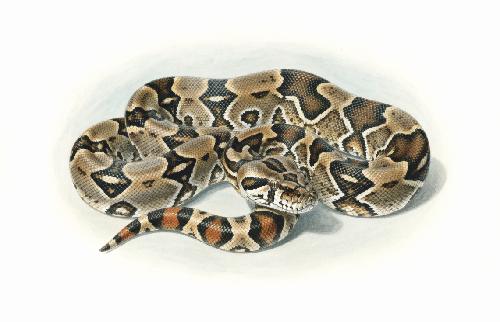
- Boa
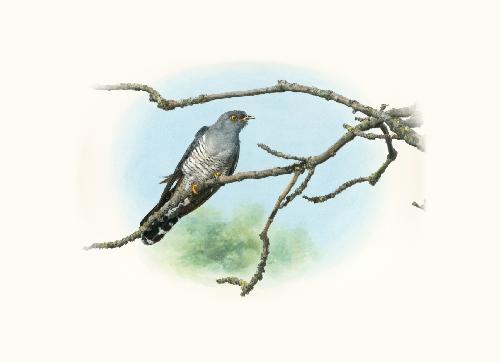
- European Cuckoo
- Horsefly
Traits and their opposites
Each trait of this archetype — and what is opposite to it.
- Sensitivity ↔ Callousness
Find your most suitable archetypes
Archetypes are facets of personality and behaviour: sometimes a hamster, sometimes a lion. Take a test for yourself, a friend or a pet.